
aquarium travel spots beautiful is a search phrase people type when they want more than “a place with fish”, they want a spot that feels like part attraction, part architecture, part calm escape. If that sounds like you, this guide is built for planning, not daydreaming.
Aquariums vary a lot in vibe, some are packed and loud, others feel like a gallery with water. The trick is knowing what “beautiful” means for your trip: a showpiece tank, dramatic lighting, oceanfront views, or a route that’s easy with kids.
Below, you’ll get a short, opinionated framework, a quick comparison table, and practical tips for building an aquarium-centered itinerary without wasting a half day in lines.
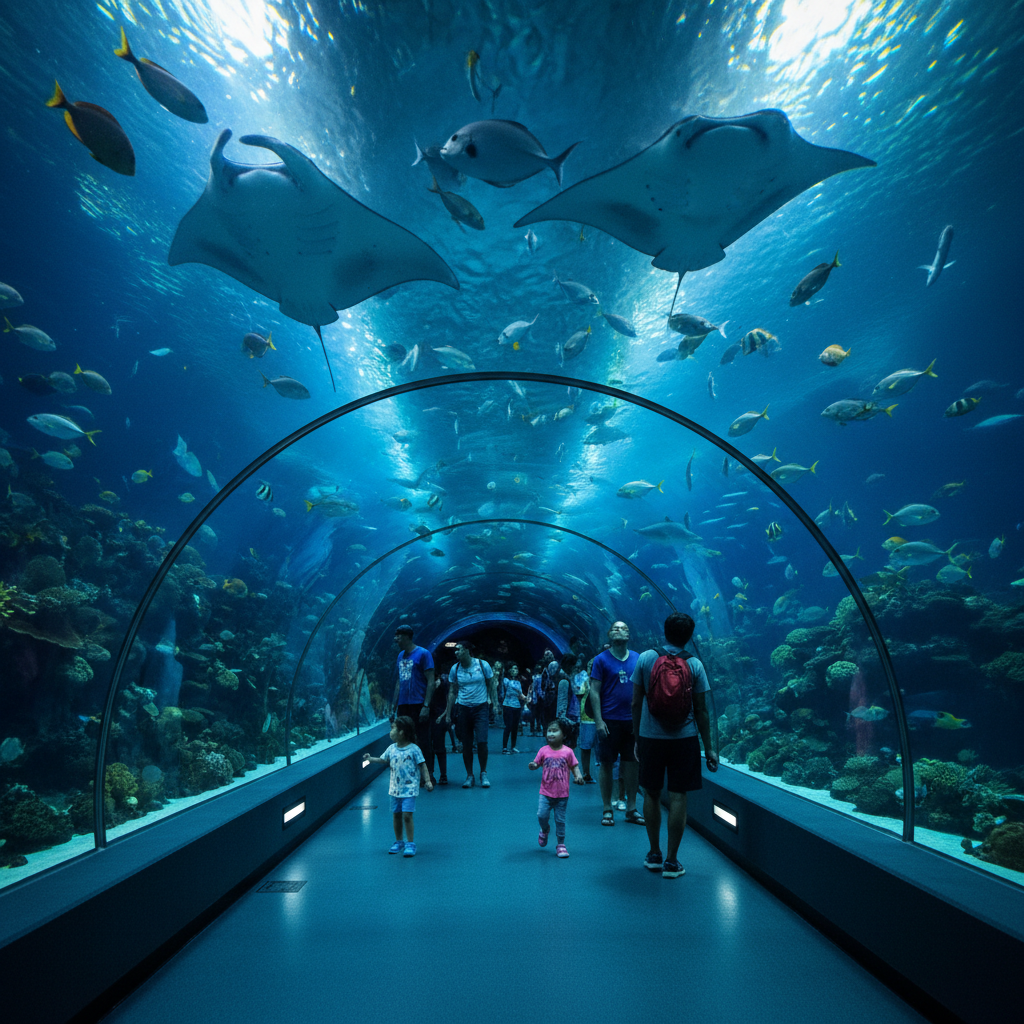
What makes an aquarium “beautiful” for travelers
Beauty is subjective, but in travel planning it usually comes down to a few repeatable features. When someone searches aquarium travel spots beautiful, they’re often reacting to one of these things.
- Signature visuals: iconic tanks, underwater tunnels, jellyfish galleries, or massive windows with layered depth.
- Design and lighting: museums do this well, aquariums can too, controlled lighting makes colors pop and crowds feel less chaotic.
- Sense of place: being on a harbor, paired with a skyline, near a beach, or integrated into a larger cultural district.
- Flow: clear route, less bottlenecking, enough quiet corners to actually enjoy the exhibits.
- Ethics and education: it’s hard to call a visit “beautiful” if it feels uncomfortable. According to AZA (Association of Zoos & Aquariums), accreditation signals standards for animal care, conservation, and education, which many travelers use as a trust shortcut.
Quick comparison table: pick your “beautiful”
This table is intentionally simple, it helps you choose based on the kind of beauty you want, not just what’s famous.
| Beauty you’re chasing | What to look for | Trip fit |
|---|---|---|
| Iconic tanks & wow moments | Large centerpiece tank, tunnel walk, big pelagic species | First-time visitors, families, “one big day” itineraries |
| Architecture & design | Strong interior design, thoughtful lighting, clean sightlines | Date days, photographers, adults traveling without kids |
| Coastal scenery | Harborfront location, sea views, nearby waterfront walks | Weekend trips, city breaks, slower-paced travel |
| Local ecosystems | Region-specific exhibits, conservation tie-ins, touch pools | Road trips, school-age kids, nature-forward travelers |
| Low-stress calm | Timed entry, wide galleries, quieter hours, seating zones | Strollers, sensory-sensitive visitors, rainy-day backup plans |
Beautiful aquarium travel spots in the U.S. worth planning around
Instead of ranking, here are well-known U.S. options grouped by what they tend to do best. Availability, renovations, and exhibit rotations change, so it’s smart to confirm highlights on the official site before locking plans.
For “signature tank” visuals
- Georgia Aquarium (Atlanta, GA): big-scale exhibits and high-impact viewing areas, often a top pick for visitors who want a true spectacle.
- Monterey Bay Aquarium (Monterey, CA): iconic ocean-facing presence and exhibits that feel tied to the real coastline outside.
For architecture + city trip convenience
- Shedd Aquarium (Chicago, IL): classic institution feel plus a location that fits neatly into a museum-heavy day.
- National Aquarium (Baltimore, MD): strong “day itinerary” pairing with the Inner Harbor, easy to combine with food and walking.
For a coastal, outdoors-adjacent day
- New England Aquarium (Boston, MA): great for building a waterfront walk into the same afternoon.
- Aquarium of the Pacific (Long Beach, CA): harbor setting that works well when you want aquarium time plus fresh air nearby.
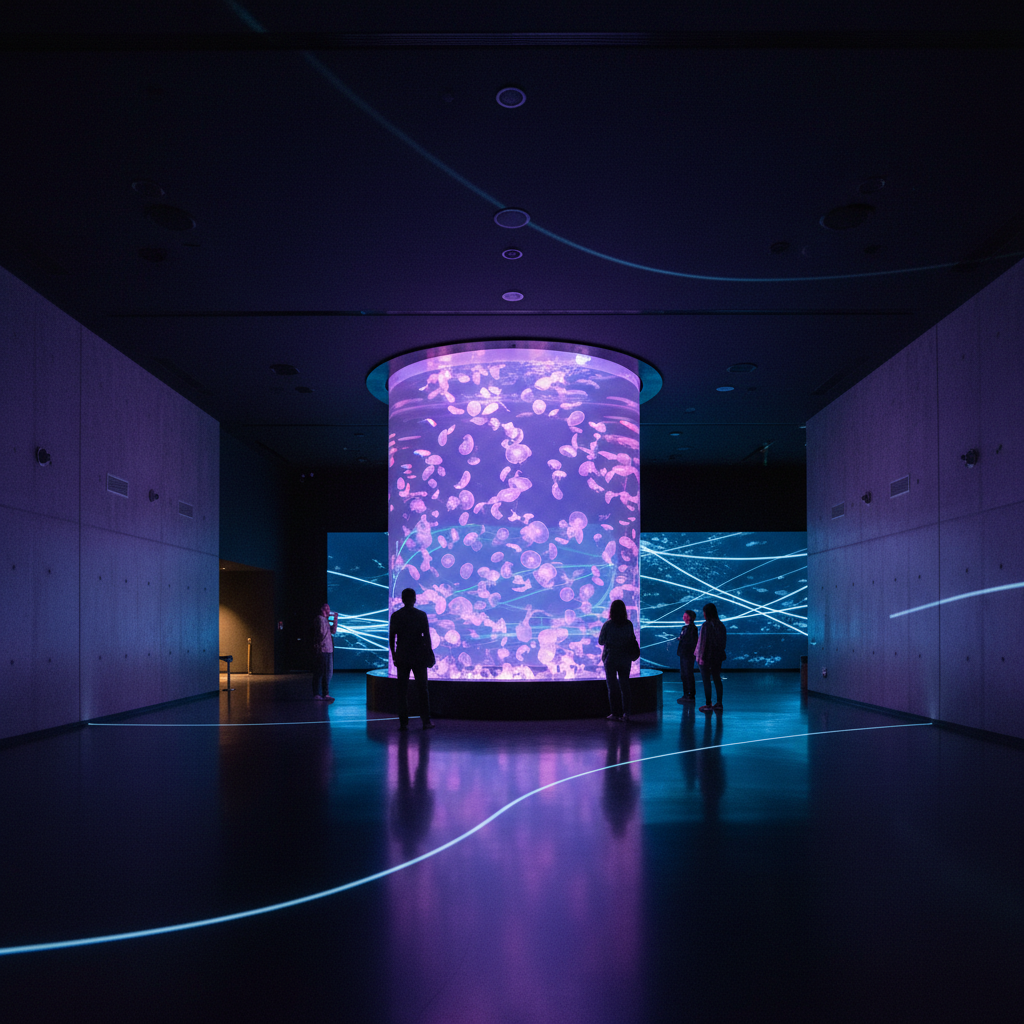
A fast self-check: which aquarium experience fits you
People waste money on “the biggest” aquarium when what they needed was “the easiest” aquarium. Use this as a quick filter before you buy tickets.
- If you’re traveling with toddlers: prioritize timed entry, wide aisles, stroller-friendly routes, and short loops you can repeat.
- If you care about photos: look for low-glare viewing windows, dim galleries, and exhibits with layered depth, jellyfish rooms tend to photograph well.
- If you get overwhelmed by crowds: pick weekday mornings, avoid school holidays, and look for aquariums with reserved entry slots.
- If you want “worth the trip” moments: choose a place with a clear signature feature, a giant tank, tunnel, or a coastal backdrop.
- If ethics matter a lot to you: check accreditation and conservation messaging. According to AZA (Association of Zoos & Aquariums), accredited facilities meet defined standards, though travelers still vary in what they consider acceptable.
How to plan your visit so it actually feels beautiful (not hectic)
Most aquarium disappointment comes from logistics, not the animals. These moves usually improve the experience fast.
Timing: the simplest upgrade
- Aim for opening hour or the last 60–90 minutes if the aquarium allows entry late enough.
- If you can, avoid Saturday mid-day, it’s when “pretty exhibits” turn into shoulder-to-shoulder viewing.
Ticket strategy that saves real time
- Buy online timed tickets when offered, walk-up lines can quietly eat your afternoon.
- City passes can be worth it if you’re already doing nearby attractions, but compare blackout dates and reservation rules.
Route planning inside the building
- Start with the most popular gallery first, get your “wow” early, then slow down later.
- Build in one sit-down reset, aquariums are sensory-heavy even when they’re beautiful.
- Skip every mini-add-on if your day is tight, a clean 2–3 hour visit often beats a rushed 4–5 hour marathon.
Safety, comfort, and common mistakes (the stuff people don’t mention)
Even the most aquarium travel spots beautiful can feel rough when basic comfort breaks down.
- Flash photography: many exhibits discourage it, it can stress animals and it ruins other visitors’ viewing.
- Touch pools: follow staff guidance, and if you have a cut on your hand, it’s usually smarter to skip. If you’re unsure, ask staff on site.
- Food timing: aquariums often have limited options and peak-hour lines. A snack plan prevents the “hangry exit” at the worst moment.
- Overpacking the day: pairing an aquarium with two more major attractions is where families most often crash.
- Accessibility assumptions: most major venues support mobility needs, but exhibit flow can include ramps, elevators, or narrow points, check accessibility pages ahead.
According to CDC (Centers for Disease Control and Prevention), simple handwashing helps reduce the spread of germs after animal contact areas and before eating, it’s an easy habit that keeps a fun day from turning into a sick day.

Key takeaways: make “beautiful” the default outcome
- Pick based on your definition of beauty, not just the biggest name.
- Timed entry and early arrival usually matter more than any upgrade package.
- Plan one signature moment and leave breathing room, the calm parts are where aquariums shine.
- Use AZA accreditation as one quick trust signal, then read each venue’s mission and exhibit info.
Conclusion: build your trip around one great aquarium moment
If you’re hunting for aquarium travel spots beautiful enough to feel like a highlight, choose a venue with a clear visual signature, then protect the experience with timing and a lighter schedule. The animals and exhibits do the rest.
Your next step can be simple: shortlist two aquariums that fit your route, check timed-entry options, then pick the one that matches your travel pace, not the one that just looks impressive on paper.
FAQ
What are the most beautiful aquariums in the U.S. for first-time visitors?
Many travelers start with big-name institutions like Georgia Aquarium or Monterey Bay Aquarium because they’re designed around memorable “centerpiece” viewing, but your best pick depends on whether you want spectacle, coastal scenery, or a calmer museum-like flow.
How do I avoid crowds at popular aquariums?
Weekday mornings often feel dramatically better. If timed entry is offered, book an early slot, and consider visiting during shoulder seasons when schools are in session.
Are aquarium tunnels always worth it?
Tunnels can be a genuine wow moment, especially for kids and first-time visitors, but they also bottleneck. If you dislike crowds, go early and treat the tunnel as a quick pass, then enjoy quieter galleries longer.
How long should I plan for an aquarium visit?
For most major aquariums, 2–3 hours is a comfortable baseline. Add time if you plan to attend talks, shows, or if you’re traveling with kids who like repeating favorite sections.
How can I tell if an aquarium is reputable?
Accreditation is a common starting point. According to AZA (Association of Zoos & Aquariums), accredited organizations meet specific standards, and you can also look for transparent conservation programs and clear animal care messaging.
Are aquariums good for travelers with sensory sensitivities?
They can be, but it varies by venue and time of day. Quiet hours, weekday mornings, and exhibits with wider pathways usually help, and it’s reasonable to call ahead to ask about crowd patterns and low-stimulation spaces.
Do I need to buy tickets in advance?
At high-demand locations, advance purchase is often the difference between a smooth visit and standing in line. If your schedule is tight, booking ahead is a safer move.
If you’re planning a trip and want a more curated shortlist of aquarium travel spots beautiful enough for your exact route, share your destination city, travel month, and whether you’re going with kids, I can help narrow it to options that match your pace and priorities.