
travel coffee maker portable options make it realistic to drink coffee you actually like on road trips, flights, hotel mornings, or a quick break between meetings, without settling for burnt lobby drip.
The tricky part is that “portable” means different things in real life: some brewers fit a backpack but need a kettle, others heat water but eat battery life, and a few make great espresso-style shots yet require more cleaning than you expect.
This guide focuses on the practical stuff people usually discover after purchase, what matters most for taste, packing, and cleanup, plus a simple way to narrow down the right style for your routine.
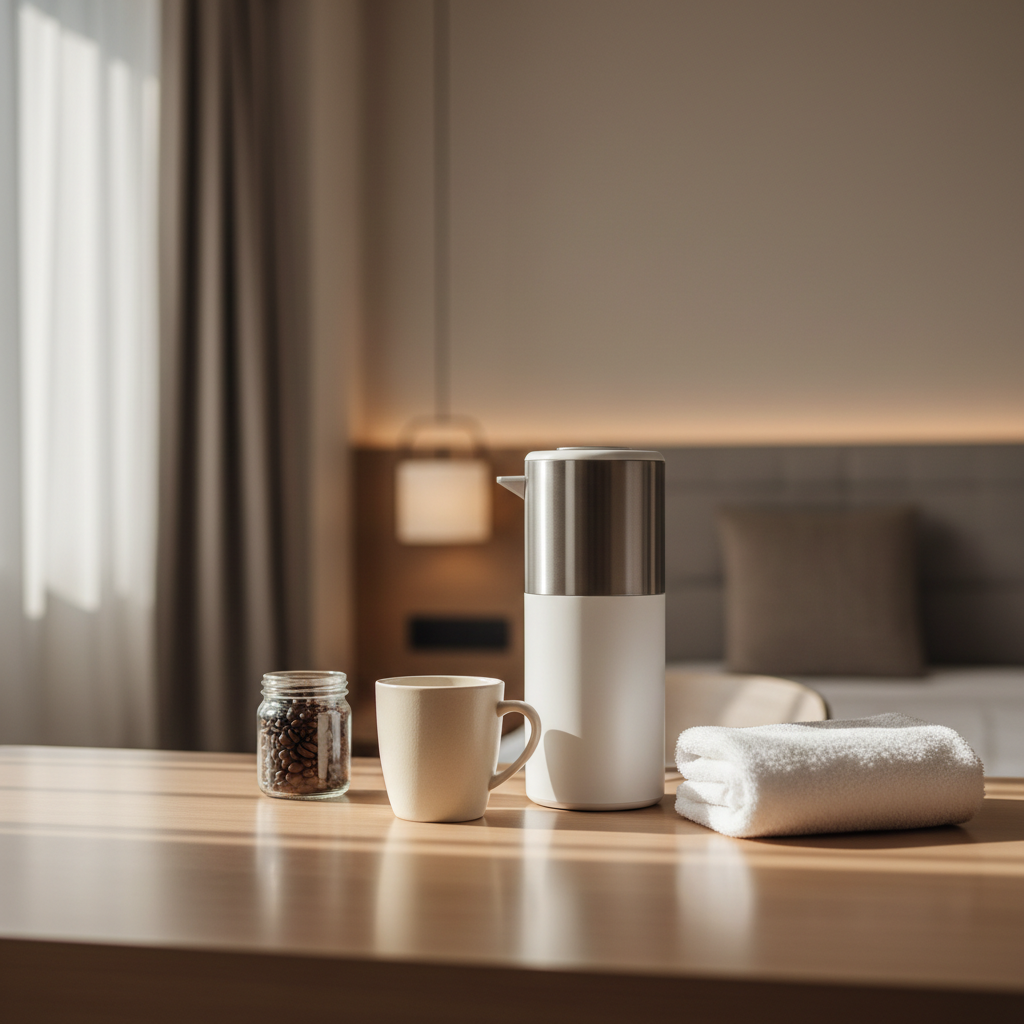
What “portable” really means for coffee makers
Most buying regret comes from mismatched expectations, not “bad” products. A compact brewer can still be a pain if it needs extra gear, or if you can’t clean it well while traveling.
- Packability: size is one thing, but also think about odd shapes, fragile parts, and whether it leaks in a bag.
- Heat source: some rely on hot water from a kettle, microwave, or hotel machine, others heat internally.
- Speed: manual brewers can be fast if your workflow is smooth, heated devices can be slower than you expect.
- Mess factor: grounds management and wet filters matter more when you lack a sink or trash access.
According to the U.S. Food & Drug Administration (FDA), food-contact surfaces should be kept clean and sanitary, which is a good reminder that “easy to rinse” is not the same as “easy to properly clean” on the road.
Common reasons your travel brew tastes disappointing
If your coffee tastes thin, bitter, or oddly sour when traveling, the brewer is only part of the story. The rest is usually water, grind, and temperature control, all of which get harder outside your kitchen.
Water quality changes more than you think
Hotel tap water can be very hard or heavily chlorinated, and that shifts extraction. Many people blame the device when the water is the real culprit. Even using bottled water can change results because mineral content varies by brand.
Grind inconsistency is a frequent hidden issue
Pre-ground coffee is convenient but often stale, and grind size might not match your brewer. A small hand grinder helps, but only if it’s consistent and not a chore.
Temperature is easy to lose, especially with manual methods
Manual systems assume near-boiling water, but hotel “hot” water often lands below ideal brewing range. According to the Specialty Coffee Association (SCA), brew temperature is a key variable for extraction, and cooler water tends to under-extract, which can read as sour or weak.
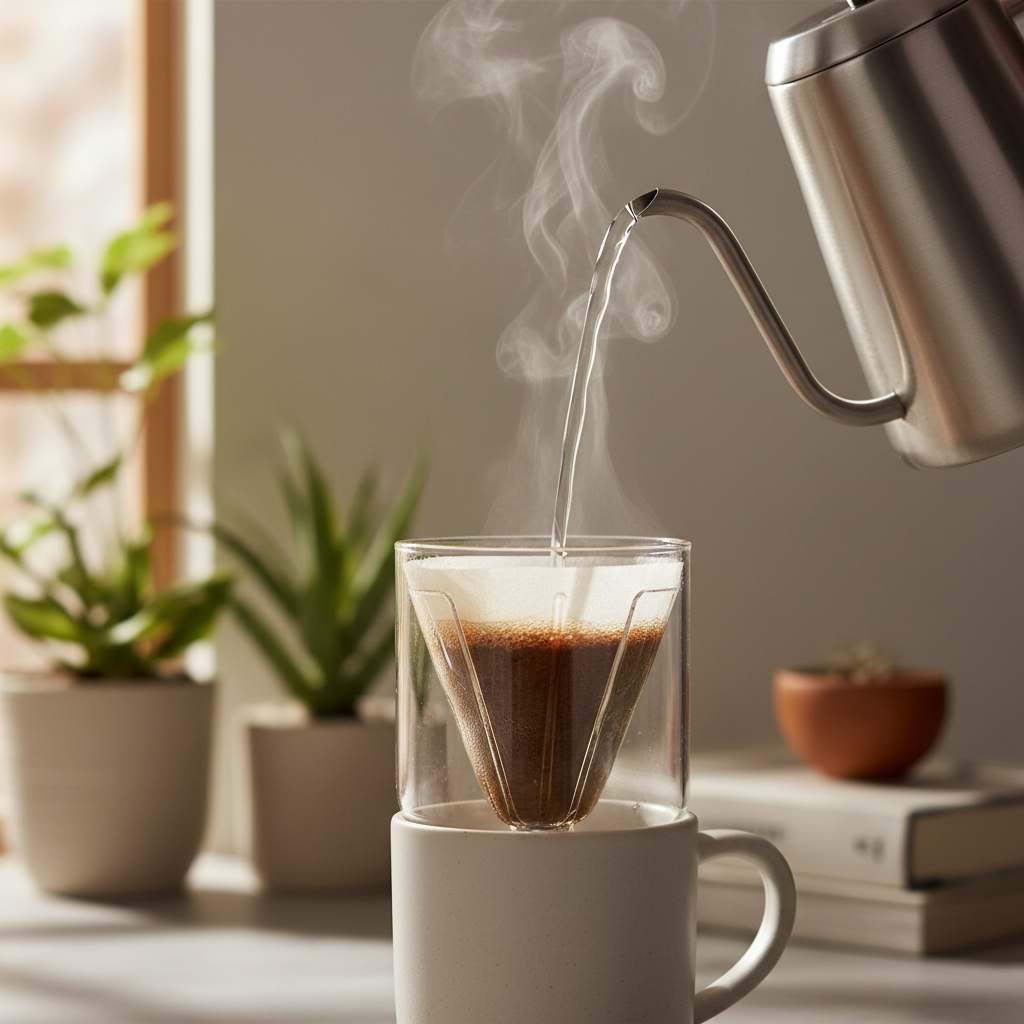
Quick self-check: which portable coffee setup fits your trips?
Before you compare products, figure out your constraints. This takes two minutes and prevents the classic “it works, but I never use it” outcome.
- I usually have reliable hot water: hotel kettle, office kettle, or I’m fine carrying one.
- I often don’t have hot water: car travel, camping, long commutes, job sites.
- I care most about espresso-like texture: thicker body, concentrated shots, milk drinks.
- I care most about simplicity: fewer parts, quick rinse, minimal cleanup.
- I’m weight/space limited: carry-on only, small backpack, ultralight packing.
If you’re checking “no hot water” and “carry-on only,” your options narrow fast. That’s not bad, it just means you should optimize for realism, not fantasy coffee scenarios.
Portable travel coffee maker types (and who they work for)
There are a few main categories. Each can be a great travel coffee maker portable choice in the right situation, but they fail in predictable ways if you pick the wrong match.
| Type | Best for | What to watch |
|---|---|---|
| Manual espresso-style press | Espresso-like shots, milk drinks | Needs fine grind and hot water, more cleaning |
| Pour-over cone / dripper | Light pack, clean flavor | Requires kettle control, paper filter waste |
| Immersion brewer | Forgiving extraction, easy repeatability | Wet grounds disposal, space for steeping |
| All-in-one heated portable brewer | No-kettle situations | Battery/runtime, heating time, more electronics risk |
| Instant coffee / coffee concentrate | Absolute convenience | Flavor ceiling, but improving fast |
My editorial bias here: if you already like pour-over at home, you’ll probably be happiest staying in that lane while traveling. If you’re chasing espresso texture, be honest about cleanup and grind needs.
How to choose: the few features that matter most
You can compare dozens of specs, but a handful drives daily usability. If a product nails these, it tends to get used.
- Leak resistance: lids, seals, and how it behaves when tossed sideways into a bag.
- Standard filters vs proprietary: standard formats are easier to replace mid-trip.
- Material and durability: stainless and quality polymers travel better than thin glass; if you’re sensitive to taste, avoid materials that retain odors.
- Cleanup workflow: can you dump grounds without a full sink, and can you rinse without making a mess?
- Cup compatibility: fits a typical travel mug opening, stable on small hotel desks.
Also, don’t overlook dose size. A brewer that “can” make 12 oz might only taste good at 8–10 oz, and that’s where expectations quietly break.
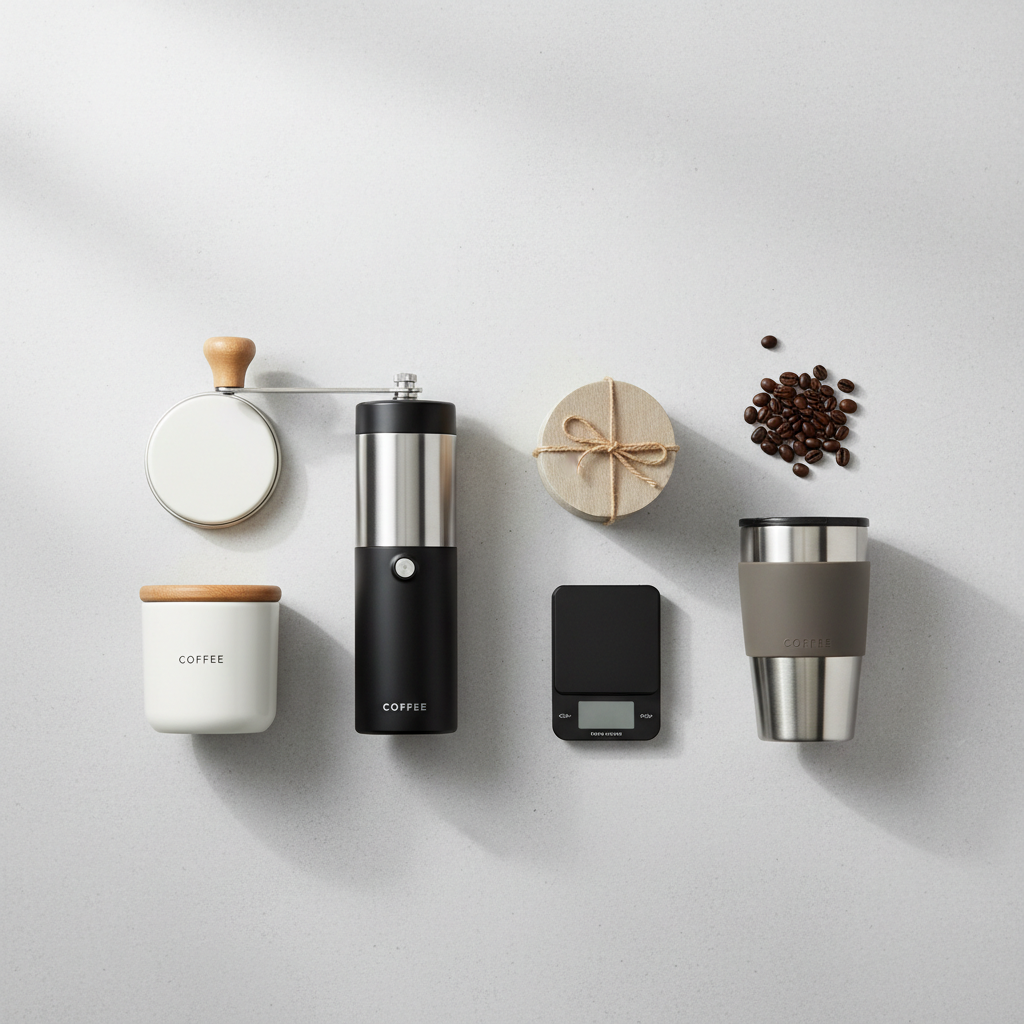
Practical brew routines you can copy (by scenario)
Below are simple routines that keep variables under control. The goal is “good coffee reliably,” not a perfect café replica.
Hotel + hot water available
- Bring: compact dripper or immersion brewer, filters (if needed), pre-measured coffee or a small grinder.
- Use bottled water if the tap tastes off, it often improves consistency.
- Preheat your mug and brewer with a quick hot-water rinse, then brew.
Road trip / car commute
- Bring: insulated bottle with hot water, or a heated travel brewer if you really lack hot water access.
- Pre-dose coffee in small containers so you’re not guessing while driving.
- Keep cleanup items: a zip bag for used filters/grounds, a few paper towels.
Air travel and airports
- Focus on speed and spill control, security lines and tiny tables punish complex setups.
- Ask for hot water at a café, then brew into your own mug.
- If you use a travel coffee maker portable device with metal parts, pack it where it’s easy to show at screening if asked.
Outdoor trips (camping, hiking, van life)
- Decide whether your priority is coffee quality or fuel efficiency, sometimes you can’t maximize both.
- Match the brewer to your heating method, especially if you rely on a small stove.
- Keep grounds contained to avoid attracting animals; when in doubt, pack out waste.
Mistakes that waste money (and how to avoid them)
A lot of travel kits end up in a drawer because they’re “almost” convenient. These are the common trip-wreckers.
- Buying for the fantasy trip: you pictured slow morning pour-overs, but your real mornings are rushed and sink-free.
- Ignoring the grinder question: if you won’t grind fresh, choose a brewer tolerant of pre-ground coffee.
- Overcomplicating filters: proprietary filters feel fine until you run out mid-week and can’t replace them locally.
- Skipping a waste plan: wet grounds are the messiest part, plan how you’ll dispose of them.
Key takeaway: the best setup is the one you can repeat when tired, distracted, or short on space.
When it makes sense to get expert help (or simplify)
If you’re consistently getting stomach discomfort, jitters, or reflux from travel coffee, it may relate to caffeine timing, dose, or brewing strength, and it’s reasonable to discuss with a healthcare professional. Coffee habits also interact with sleep, hydration, and medications for some people.
If the issue is taste, a local specialty café can help you dial in grind and ratio quickly, even without buying gear, you can learn what “balanced” tastes like and replicate the direction.
And if you travel for work and just need predictable fuel, there’s no shame in using instant or concentrate sometimes. Convenience is a valid requirement.
Conclusion: a portable coffee setup that you’ll actually use
A travel coffee maker portable choice works best when it matches your reality: where hot water comes from, how much mess you can tolerate, and what “good enough” tastes like to you on a random Tuesday.
If you want one action step, pick your most common travel scenario, then build a minimal kit around it, brewer, coffee, water plan, and a cleanup plan. Once that routine feels easy, upgrades start to make sense.
FAQ
What is the easiest travel coffee maker to clean?
Many people find simple pour-over cones or basic immersion brewers easiest, mostly because there are fewer seals and moving parts. The real question is whether you can dump grounds cleanly where you travel.
Do I need a grinder for good coffee while traveling?
Not strictly, but fresh grinding usually helps flavor. If carrying a grinder feels like too much, choose a brewer that’s forgiving with pre-ground coffee and focus on water quality and consistent dosing.
Can a portable coffee maker make real espresso?
Some manual espresso-style devices can produce espresso-like concentration and crema, but results vary by coffee, grind, and water temperature. If you need café-level espresso every time, you may be disappointed.
Is a heated portable coffee maker worth it?
It can be, especially when you often lack hot water. Just go in expecting tradeoffs like longer brew time, charging needs, and more components that can fail compared with manual brewers.
How do I keep my travel coffee maker from leaking in my bag?
Let it dry as much as possible, separate wet parts into a zip pouch, and don’t trust “twist-on” lids unless they’re designed for transport. A small microfiber towel in your kit can save a trip.
What coffee should I pack for a 3–5 day trip?
Pre-dose single servings to reduce mess and guesswork. If you’re sensitive to stale flavors, pack whole beans in a small airtight container and grind as needed.
Is it safe to brew coffee in a hotel room with hot tap water?
It’s usually safer to use water sources intended for drinking, and if you’re unsure about water quality, bottled water is a simple workaround. If you have health concerns, consider asking a professional for guidance.
If you’re trying to build a travel kit that feels light, clean, and repeatable, it helps to list your top two priorities, taste, speed, or zero-mess, then choose a brewer style that naturally supports those priorities instead of fighting them.