
Orchard travel destinations are one of the easiest ways to turn a regular weekend into something you’ll actually remember, but they can also be weirdly hit-or-miss if you show up at the wrong time, pick the wrong kind of orchard, or assume every farm runs like a theme park.
The good news is that planning a solid fruit-picking trip isn’t complicated, it just needs the right filters: what fruit you want, when it’s typically ready, what kind of experience you’re after, and how far you’re willing to drive.
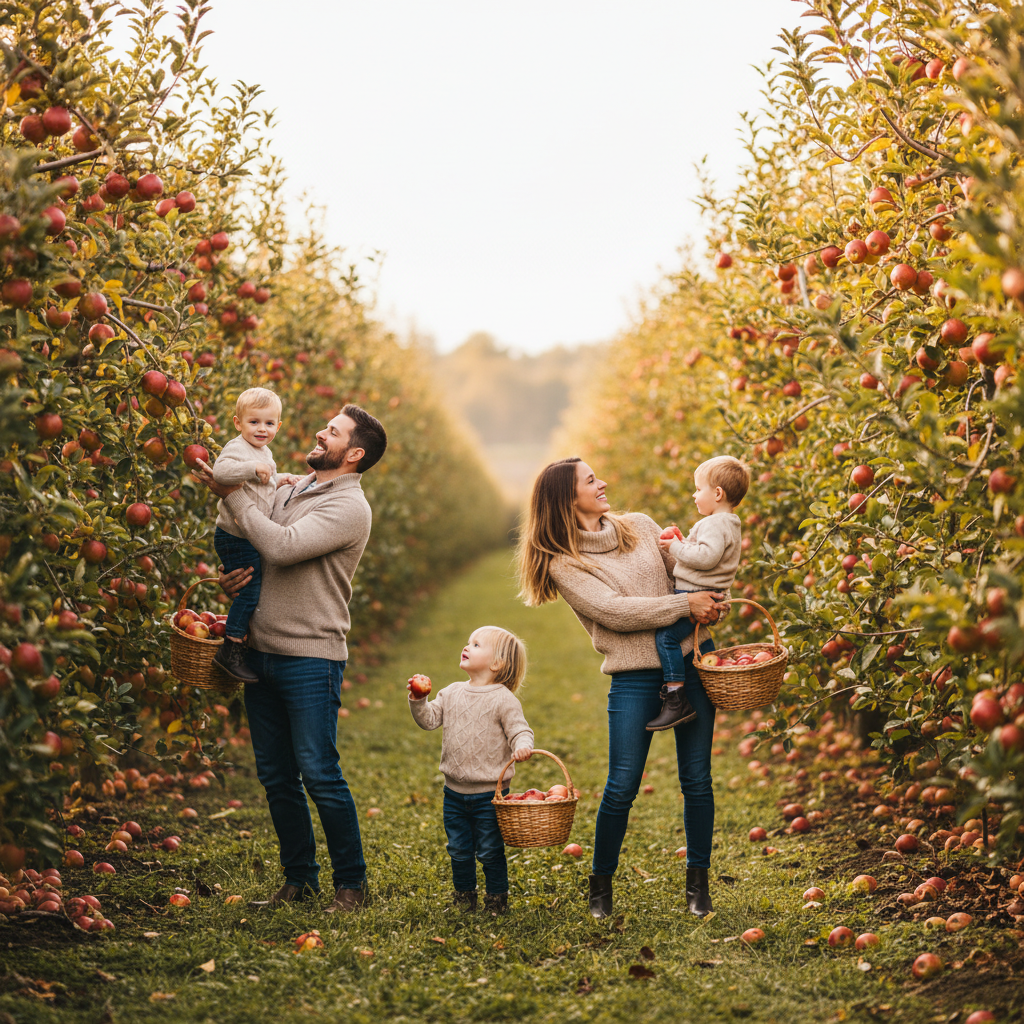
One common misconception: “orchard trip” automatically means apples and pumpkin donuts. In many regions you can pick peaches, cherries, pears, plums, and even citrus, and the vibe ranges from rustic working farm to polished, family-event-heavy destination.
This guide focuses on practical choices, how to tell if a place will match your expectations, and how to avoid the classic mistakes that leave you with bruised fruit, a long line, and a car that smells like overripe peaches.
What makes a great orchard trip (it’s not just the fruit)
Fruit quality matters, obviously, but most people judge the day by everything around the picking: parking, signage, staff guidance, checkout flow, and whether you feel rushed or relaxed.
- Accurate crop updates: clear “what’s ripe today” info beats vague marketing every time.
- Orchard layout: wide rows, decent footing, and shaded areas make a big difference, especially with kids.
- Transparent pricing: entry fees, minimum bag requirements, and container rules should be easy to understand.
- Handling expectations: some farms are “pick for fun,” others are “pick for canning” with larger volumes.
According to the USDA, U.S. fruit production is seasonal and region-dependent, so “best time” advice online often fails when it ignores local climate and yearly variation.
How to choose orchard travel destinations by season
If you’re picking a destination first and the fruit second, you risk arriving during a shoulder week when the orchard is technically open, but the good trees are already stripped. In many cases it works better to pick the fruit first, then look for nearby options.
Spring to early summer: cherries, strawberries (sometimes), early peaches
Spring orchard outings can be quieter, but harvest windows can be short. If you’re flexible on dates, you’ll have an easier time landing a great day.
- Best for: quick trips, smaller crowds, “pick and leave” simplicity
- Watch for: rain-mud conditions and limited picking hours
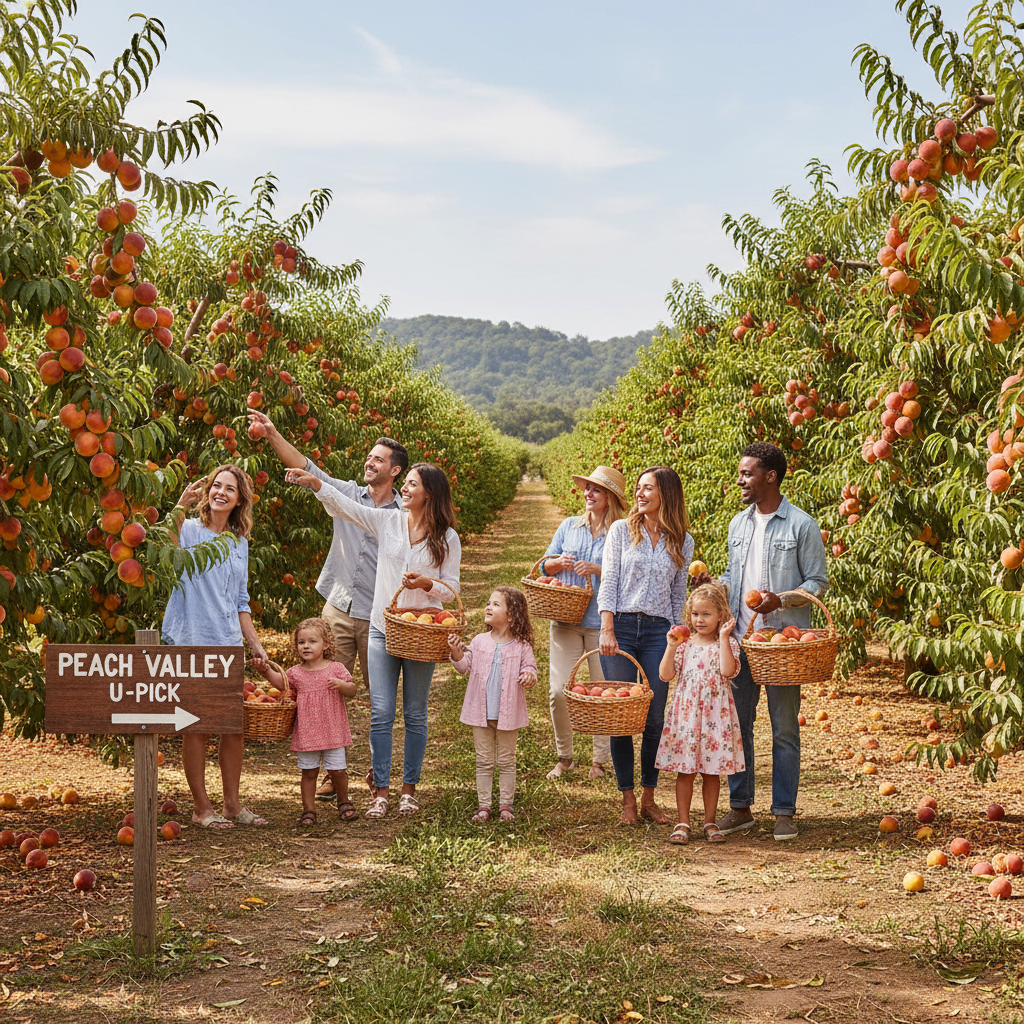
Mid to late summer: peaches, plums, blueberries (often nearby), early apples
Summer fruit is the reward for planning, and also the easiest time to underestimate heat and fruit bruising. Bring a cooler, even if you think you won’t need it.
- Best for: baking, jams, grilling, picnic-style trips
- Watch for: midday heat, wasps near fallen fruit, fast ripening
Fall: apples, pears, late peaches, cider-season experiences
Fall is peak “orchard travel” season in the U.S. and the easiest time to find farms with extras, hayrides, tastings, baked goods, and shops. It’s also when crowds and traffic spike.
- Best for: family traditions, photos, mixed activities
- Watch for: weekend lines, sold-out popular varieties
Winter in warm regions: citrus and “grove” picking
Not every citrus operation runs U-pick, and some require reservations. If you’re chasing winter sun, confirm details before you drive.
- Best for: unique trips, fresh fruit gifts, mild-weather travel
- Watch for: limited picking dates and specific harvest rules
Quick comparison table: match your trip style to the right orchard
Different orchard travel destinations aim at different visitors. This is the part many people skip, then wonder why the place felt “not worth it.”
| Trip style | What to look for | Good fit if you want | Potential downside |
|---|---|---|---|
| Family day out | Activities, restrooms, shade, clear rules | Play areas, wagon rides, farm store | More crowds, higher add-on costs |
| Serious picking | Volume options, variety list, fast checkout | Canning, pies, freezer prep | Less “cute,” more work-farm vibe |
| Date or friends | Scenic setting, tasting room, seating | Photos, relaxed pacing | Picking area may be smaller |
| Budget trip | No entry fee, honest pricing, BYO containers (if allowed) | Simple harvest and go | Fewer amenities |
A self-check list before you pick a destination
If you only do one thing before choosing from orchard travel destinations, do this quick reality check. It prevents most “we drove an hour for nothing” outcomes.
- What fruit do you actually want? Apples for snacking and pies are not the same variety timing.
- Do you want U-pick, pre-picked, or both? Some farms offer limited U-pick days.
- How far will you drive? A closer orchard you’ll revisit often beats a perfect one you never return to.
- Are you okay with crowds? If not, aim for weekdays or early opening hours.
- Do you need accessibility features? Parking distance, terrain, and restroom access matter.
- What’s your “success metric”? Instagram photos, a trunk full of fruit, or a calm morning are different trips.
According to the CDC, rinsing produce under running water helps reduce dirt and germs; for U-pick fruit, that typically means planning to wash at home rather than trying to “clean” fruit in the field.
Practical planning tips that make the day smoother
This part sounds basic, but it’s where most trips either feel easy or feel chaotic.
Timing: arrive earlier than you think
For popular fall orchards, the first hour after opening often has the best fruit availability and the least waiting. Midday is when you get heat, crowds, and picked-over rows.
Bring the right gear (light, not fussy)
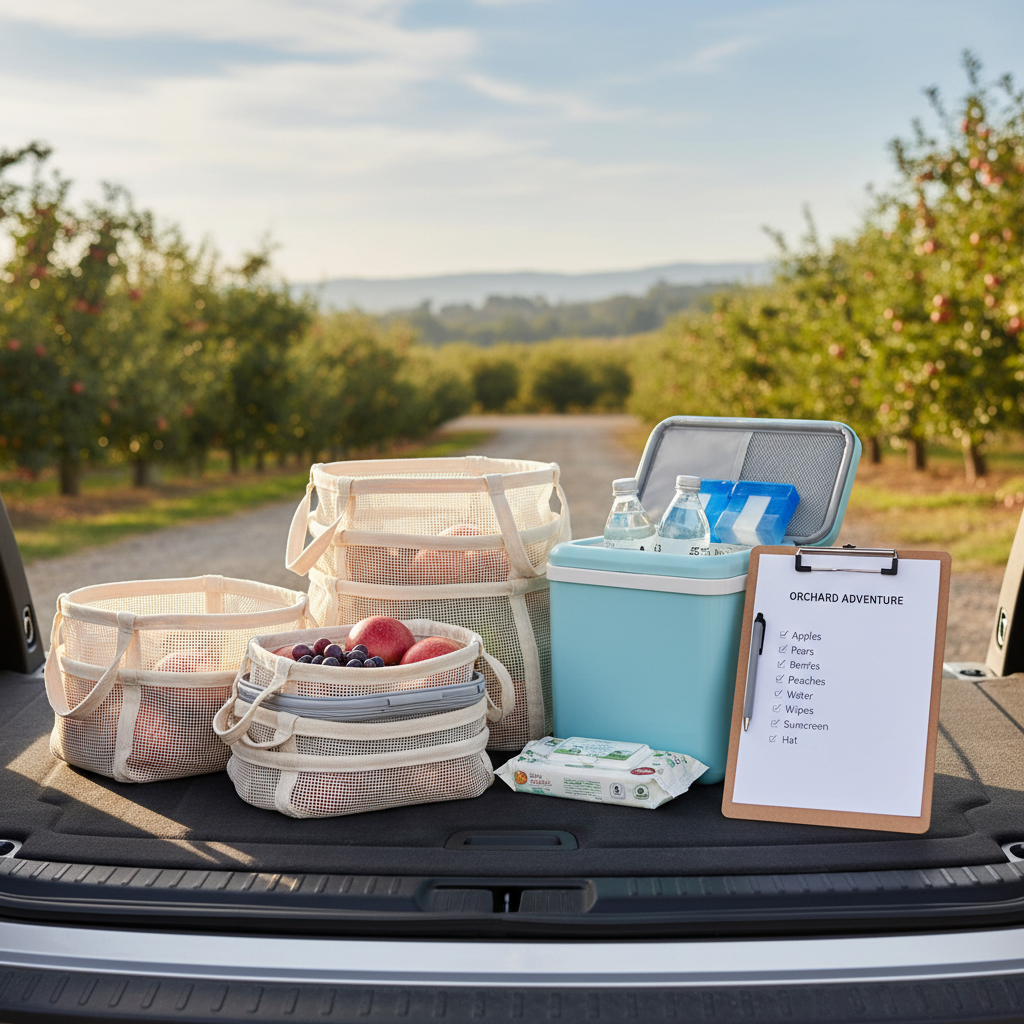
- Two containers: one for perfect fruit, one for “baking grade” bruised picks
- Cooler and towel: protects peaches, berries, and cherries on the drive back
- Hand wipes: sticky hands are guaranteed
- Closed-toe shoes: uneven ground happens, even at polished orchards
Picking technique (so you don’t damage trees or your haul)
Most orchards prefer a gentle lift-and-twist for apples and pears, and a soft pull for stone fruit, but rules vary by farm. If staff gives instructions, follow those, orchards can remove visitors who break branches or overfill containers.
Common mistakes people make (and how to avoid them)
A lot of frustration comes from assumptions. Here are the patterns that show up again and again.
- Assuming the farm store reflects the picking quality: a great shop doesn’t guarantee the best U-pick rows that day.
- Not asking about variety: “apples are ready” can mean one tart variety is ripe while the sweet one isn’t.
- Overpicking: it’s fun in the moment, then you go home with more than you can eat before it softens.
- Skipping weather planning: rain can mean mud and fewer open blocks, extreme heat can shorten picking hours.
- Leaving fruit in a hot car: even 30 minutes can speed up bruising and spoilage for summer fruit.
When it’s worth getting extra help or changing plans
Most orchard visits are straightforward, but there are a few cases where you should slow down and get clearer guidance.
- Food allergies or sensitivities: ask about cross-contact if you plan to buy cider donuts, baked goods, or tasting items.
- Mobility concerns: call ahead about terrain, shuttle wagons, and accessible restrooms, many orchards try to accommodate but can’t change the land.
- Large groups or school trips: reservations often matter, and pricing rules can differ.
- Extreme heat or air quality issues: consider rescheduling; if you have health concerns, it’s reasonable to consult a healthcare professional.
According to the National Weather Service, heat can become dangerous faster than people expect, especially during outdoor activities; for orchard days, that usually means planning water, shade breaks, and a shorter picking window.
Key takeaways for choosing your next orchard trip
If you remember just a few things, let them be these: pick your fruit first, confirm harvest status close to your visit, and match the orchard type to your goal for the day. That combination tends to separate “nice photos, mediocre fruit” from a genuinely satisfying haul.
- Use seasonality as your starting point, then narrow by distance and amenities.
- Check crop updates within 24–48 hours of your visit when possible.
- Pack for fruit protection if you’re picking anything soft or easily bruised.
- Go early if weekends are your only option.
Want an easy next step: pick one fruit you’re excited to eat this week, then search orchard travel destinations within your driving radius and compare policies, timing, and variety lists before committing.
FAQ
- How do I find orchard travel destinations near me that are actually open for U-pick?
Look for farms that post frequent crop updates on their site or social channels, then confirm hours and U-pick status the day before. “Open” can mean store-only on some dates. - What is the best day of the week to go fruit picking?
Many orchards feel calmer on weekdays, especially mornings. If weekends are your only choice, arriving close to opening often improves your odds of better fruit and shorter lines. - Do orchards provide containers, or should I bring my own?
It varies. Some require their bags or boxes for pricing control, others allow outside containers after weighing rules. Check policies first so you don’t end up repacking at checkout. - How much fruit should I expect to pick per person?
For casual trips, a small bag per person is plenty. If you’re baking or preserving, plan by recipe and storage space, overbuying is the most common regret. - Are orchard trips safe for little kids?
Usually, yes, but it depends on terrain, insects, and heat. Closed-toe shoes, hand cleaning before snacks, and staying in designated rows help. If your child has specific health concerns, consider asking a pediatric professional. - What should I do with fruit that’s bruised or too ripe?
Use it fast: sauces, jams, smoothies, cobblers, or freezing sliced fruit (when appropriate) can save a lot of your haul. Separate bruised picks in a different container so they don’t crush the rest. - Are pets allowed at most orchards?
Policies vary widely due to food safety and livestock. Call or check the farm’s rules before you go, even if the orchard looks “outdoorsy” and pet-friendly.
If you’re planning a weekend around fruit picking and want a more reliable shortlist, build a simple checklist for your must-haves, then compare orchard travel destinations by crop updates, policies, and drive time, it’s a small step that usually makes the whole day feel more worth it.