
Sound travel destinations coastal usually hit a sweet spot for U.S. travelers who want ocean air without the full-on surf scene, calmer water for kayaking, and towns that still feel like “working coast” instead of pure resort. If you have ever booked a beach trip and ended up fighting crowds, parking, and choppy water, the “sound side” can feel like a reset.
These places sit along protected coastal waters such as bays, inlets, and sounds, so you often get wide-open sunsets, marsh trails, bird life, and easy boat access. The trade-off is simple: you might not be steps from crashing waves, but you gain a slower pace, more wildlife, and activities that don’t depend on perfect weather.
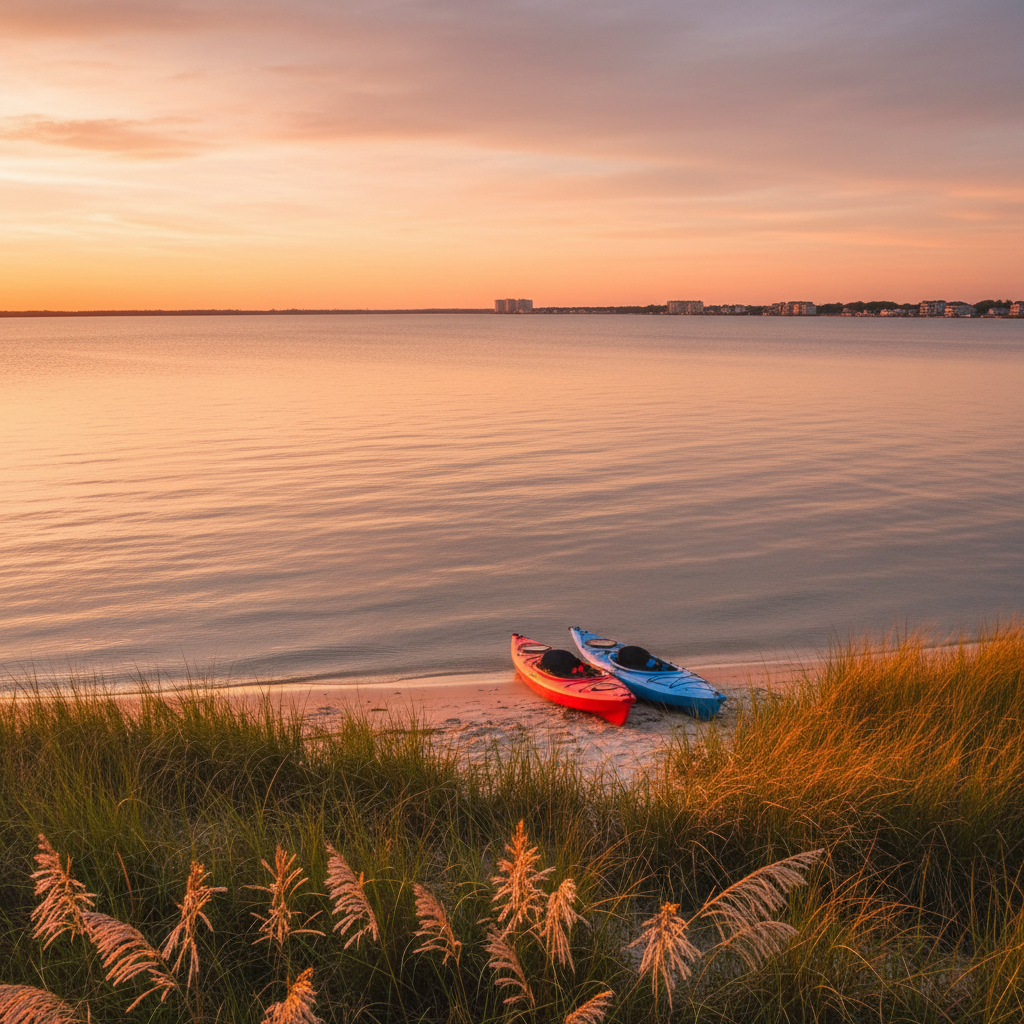
One quick misconception, a “sound” is not the same as a beach, it’s protected water separated from the open ocean by barrier islands or peninsulas. That geography changes what you can do, how windy it feels, and how family-friendly the water activities become.
This guide focuses on practical planning: how to pick the right coastal sound, what to do there, what to watch for with weather and tides, and how to match destinations to your trip goals.
What makes a coastal sound trip different (and why people love it)
Sound-side trips often work best for travelers who want “coastal” without building the entire itinerary around the beach. Here’s what tends to stand out in real planning.
- Calmer water for paddling, sailing lessons, and beginner-friendly boat days.
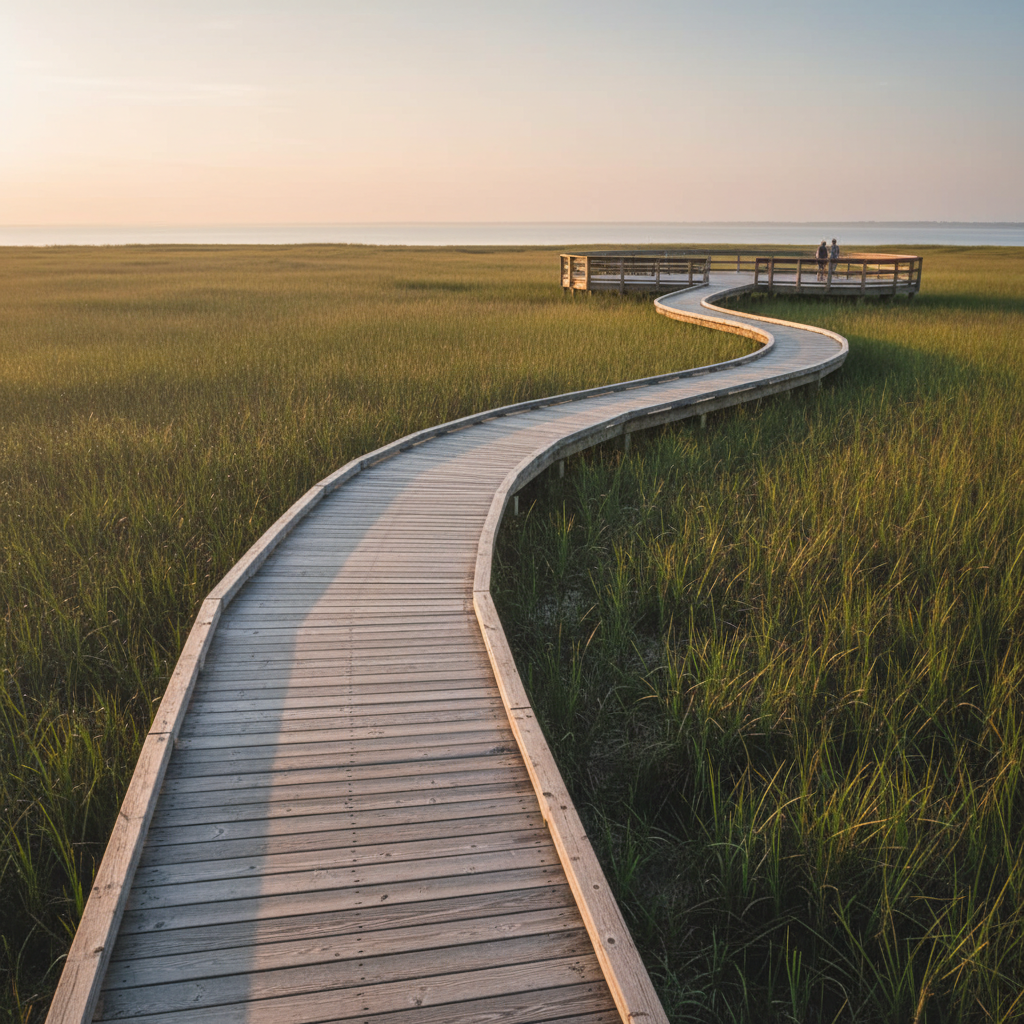
- Wildlife and marsh scenery, think herons, egrets, dolphins in some regions, and long boardwalks through coastal wetlands.
- Better shoulder-season value in many areas, because demand concentrates on oceanfront weekends.
- Food and “working waterfront” culture, docks, seafood markets, charter boats, and small museums.
According to NOAA, coastal wetlands and estuaries are among the most productive ecosystems, which is why these areas often feel so alive even when you’re doing something simple like walking a trail or watching the tide roll through marsh grass.
Quick self-check: which type of sound traveler are you?
Before you choose a pin on the map, decide what you want the sound to do for you, calm water looks similar everywhere in photos, but the experience varies a lot.
- Family + easy days: short drives, predictable activities, safe paddling coves, and restaurants that don’t require planning a week ahead.
- Active water time: kayaking trails, guided eco-tours, SUP rentals, sailing, fishing piers, or a day charter.
- Quiet nature reset: birding, sunrise boardwalks, lighthouse history, and small inns instead of nightlife.
- Food-first coastal weekend: oysters, shrimp, crab shacks, seafood festivals, and waterfront happy hours.
If two categories fit, prioritize the one that would still feel like a win if the weather turns, that decision prevents most “we should’ve gone somewhere else” regret.
Top sound travel destinations along the U.S. coast (by vibe)
There isn’t one “best” list for everyone, but these areas are widely known for sound-side access, scenery, and a strong visitor setup.
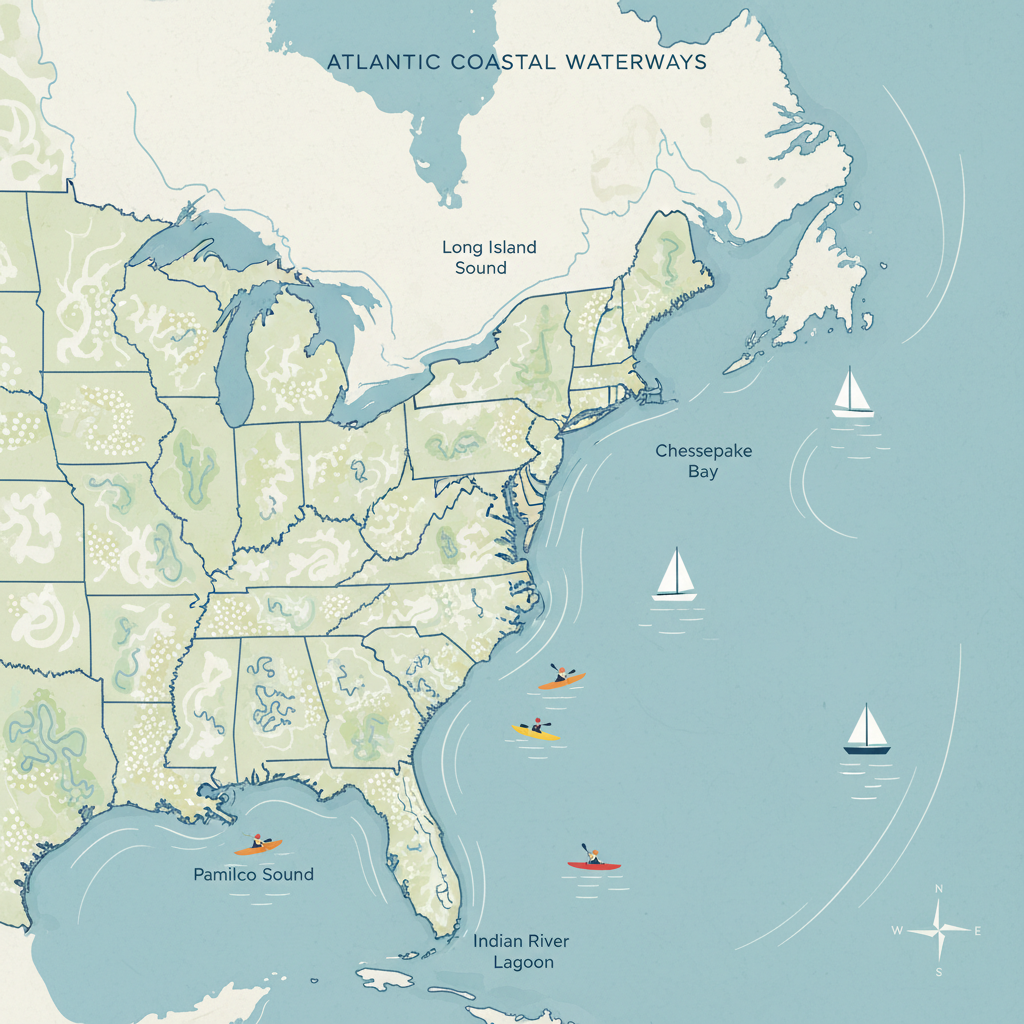
Outer Banks, North Carolina (Pamlico & Albemarle Sounds)
If you like big skies, lighthouse drives, and water sports, the Outer Banks sound side is a classic. You can base in towns like Nags Head, Manteo, or Avon and split days between calm-sound paddling and short hops to ocean beaches when you want waves.
- Great for: kiteboarding, kayaking, wildlife refuges, sunset docks
- Planning note: wind can be a feature or a bug, depending on your sport
Chesapeake Bay, Maryland & Virginia (bay-and-sound energy)
Not labeled a “sound” in the name, but the travel feel is similar: protected water, sailing culture, seafood, and historic waterfront towns. It’s a strong pick for couples or groups who want a coastal trip with museums, breweries, and day sails.
- Great for: sailing charters, crabbing culture, maritime history
- Planning note: weekends can book quickly in peak season in popular towns
Puget Sound, Washington
For a cooler-weather coastal sound experience, Puget Sound brings ferries, evergreen shorelines, and dramatic mountain backdrops. It works well if you want day trips, island hopping, and a more urban-to-nature blend.
- Great for: ferry rides, whale watching tours (seasonal), seafood markets
- Planning note: pack layers, conditions change fast on the water
Long Island Sound, New York & Connecticut
Long Island Sound is a practical choice when you want a coastal break without flying. You’ll find harbors, beaches that feel calmer than Atlantic-facing stretches, and plenty of small-town waterfront dining.
- Great for: harbor strolls, short cruises, family-friendly beaches
- Planning note: traffic patterns matter more than distance, plan around them
Mississippi Sound (Gulf Coast)
The Gulf’s protected waters often deliver that “easy mode” boating feeling. The Mississippi Sound area can be a good fit for a low-key seafood trip with warm water and short excursions.
- Great for: fishing charters, casual coastal food, warm-season trips
- Planning note: keep an eye on storm forecasts in hurricane season
How to choose the right destination: a simple comparison table
If you’re stuck between regions, comparing by trip goal usually clarifies the choice faster than reading more reviews.
| Region | Best for | Typical vibe | Watch-outs |
|---|---|---|---|
| Outer Banks (NC) | Water sports + sunsets | Beach towns + sound-side calm | Wind, seasonal crowds |
| Chesapeake Bay (MD/VA) | Seafood + sailing + history | Maritime towns, day sails | Peak weekend pricing |
| Puget Sound (WA) | Scenery + islands | Ferries, evergreens, cool air | Weather swings, higher costs in hotspots |
| Long Island Sound (NY/CT) | Short coastal getaways | Harbors, easy dining, beaches | Traffic, limited parking |
| Mississippi Sound (Gulf) | Warm-water relaxation | Casual coastal, family-friendly | Storm season planning |
Build a 3–5 day sound-side itinerary (that still feels flexible)
Most coastal sound trips go wrong in one predictable way, people over-schedule boat time and under-schedule “easy wins” that don’t depend on conditions. A better approach is to lock one anchor activity per day and leave the rest modular.
Day-by-day structure you can reuse
- Day 1: arrival + waterfront walk, pick a sunset spot, identify rental shops and launch points
- Day 2: guided eco-tour or kayak loop in the calmest morning window, casual seafood dinner
- Day 3: choose-your-own water day, short charter, sailing lesson, or paddleboard session, backup plan is a museum or lighthouse drive
- Day 4: marsh trail + picnic, then a “town afternoon” for shops and coffee
- Day 5 (optional): early breakfast, quick pier stop, head out before traffic stacks
Key takeaway: schedule water activities earlier in the day, many coastal areas see afternoon winds or pop-up storms depending on season.
Practical planning tips: timing, tides, and getting on the water
If “sound travel” is new to you, the logistics feel unfamiliar for one reason: the best experiences depend on local water conditions more than a typical city trip.
- Check tide charts if you plan to kayak creeks or marsh channels, low tide can limit access in shallow areas.
- Book rentals early in peak season, especially for kayaks, SUPs, and small boats.
- Ask about launch points, some rentals include delivery, others require roof racks or trailers.
- Plan for bugs around marshes, repellent and light layers help, especially near dusk.
According to the U.S. Coast Guard, wearing a properly fitted life jacket is one of the most effective safety steps for recreational boating. If you’re unsure what you need for your activity, it’s reasonable to ask the outfitter or a local guide, rules and best practices can vary by location.
Mistakes that waste time (and how to avoid them)
These are common missteps, especially for travelers who assume a sound trip works like an oceanfront vacation.
- Picking lodging far from the water to save money, then losing hours to driving and parking.
- Ignoring wind direction, it can turn a “relaxing paddle” into a grind back to the launch.
- Overcommitting to one big boat day with no backup plan, weather changes, and many captains may reschedule for safety.
- Assuming every shoreline is swimmable, some areas are better for boating than swimming, and conditions vary by site.
When you’re comparing sound travel destinations coastal, treat “easy access” as a feature, not an afterthought, a quick walk to the water often matters more than one extra bedroom.
When to get expert help: guides, charters, and local advice
Hiring a guide can feel like an upgrade, but sometimes it’s simply the safer, more efficient option, especially if you’re new to tides, shallow flats, or navigation markers.
- Consider a guided trip if you’re paddling in marsh channels, visiting barrier islands, or going far from shore.
- Choose licensed operators for charters when available, and ask what happens in bad weather.
- If you have health concerns such as heat sensitivity or limited mobility, it may help to consult a medical professional before long sun exposure or strenuous paddling.
Local outfitters also offer the kind of advice you won’t get from generic trip guides, where to launch, what time the wind tends to pick up, and which routes match your skill level.
Conclusion: pick the sound that matches your “why”
Sound travel destinations coastal work best when you choose them for what they are, calmer water, marsh-and-wildlife landscapes, and towns built around the shoreline. If your goal is nonstop surf and boardwalk energy, you might prefer oceanfront hubs, but if you want a calmer, more flexible coastal trip, the sound side tends to deliver.
Your next move can be simple: pick one region from the table, choose lodging close to the water, then lock in one guided or rental water activity early in the trip. After that, you can let the rest stay loose, that’s where these places shine.
FAQ
What does “sound” mean in coastal travel?
A sound is usually a protected body of water separated from the open ocean by landforms like barrier islands. For travelers, that often means calmer water, better paddling conditions, and more marsh and estuary scenery.
Are sound-side beaches good for swimming?
Sometimes yes, but it depends on the specific site, water quality management, currents, and local rules. If swimming is a priority, look for designated swim beaches and check local advisories before you go.
Which season is best for sound-side trips?
Shoulder seasons can be a sweet spot in many regions, fewer crowds and comfortable temperatures, but weather varies a lot by coast. If you’re planning boating or paddling, factor in wind patterns and daylight hours.
Do I need a guide to kayak a coastal sound?
Not always. If you stick to straightforward routes near rental shops, many travelers go self-guided. For marsh channels, longer crossings, or first-timers who feel unsure, a guide can reduce risk and make the day more enjoyable.
How do I choose between Outer Banks sounds and Puget Sound?
Outer Banks usually fits travelers chasing warm-season water time and barrier-island scenery. Puget Sound is better if you want ferries, islands, and cooler, dramatic landscapes, and you don’t mind packing layers.
What should I pack for a sound-focused coastal trip?
Plan for sun and wind: hat, polarized sunglasses, light layers, and water shoes help in many locations. Add bug protection if you’ll be near marshes, and bring a dry bag if you’re spending time on the water.
Is it worth staying directly on the sound?
If your trip centers on sunsets, paddling, or quick water access, staying on the sound often saves time and friction. If you’ll mostly explore towns and do one water activity, staying a short drive away can still work.
If you’re trying to narrow down sound travel destinations coastal for a specific month, budget, and travel style, it can help to outline your “must-do” activity and your weather backup plan first, then pick the destination that makes both easy.