
how to block out noise while traveling comes down to two things: lowering the sound around you, and lowering how much of it reaches your ears in the first place.
If you travel even a few times a year, noise becomes a sneaky energy drain, crying babies on a red-eye, a chatty aisle seat, hotel doors slamming at 2 a.m., or just that constant airplane hum that makes your brain feel “on” all night. The goal is not perfect silence, it’s getting back control so you can rest, focus, or just feel less irritated.
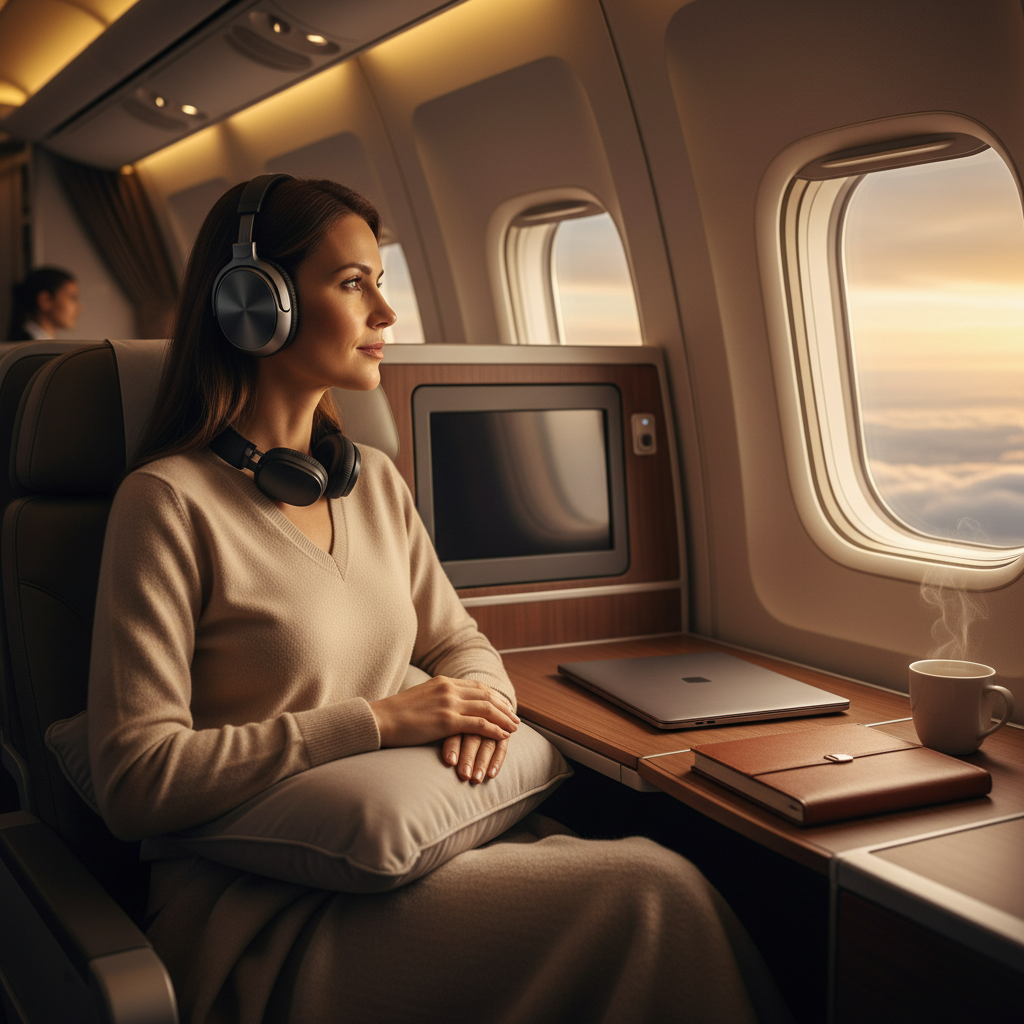
A lot of people buy a gadget and still struggle because the fit is wrong, or they use the right tool in the wrong moment. Below is a practical way to pick what works, test it quickly, and build a simple travel setup you can repeat.
Know what kind of noise you’re fighting (it changes the fix)
Different sounds behave differently, so your solution should match the problem. In real travel life, noise usually falls into three buckets.
- Steady low-frequency rumble: airplane engine hum, bus vibration, HVAC in hotels. This is where active noise canceling often shines.
- Mid/high-frequency chatter: conversations, TV through walls, announcements. Physical sealing plus masking sound often helps more than you expect.
- Sudden spikes: clanking carts, door slams, seatbelt chimes. No consumer setup removes all spikes, but you can blunt them.
According to CDC (Centers for Disease Control and Prevention), repeated or prolonged exposure to loud noise can contribute to hearing issues, so if you travel for work a lot, it’s worth treating this as health protection, not just comfort.
Quick self-check: what’s your travel noise profile?
Use this as a fast diagnosis before you spend money or pack extra gear. Your answers point to the simplest setup.
- You mainly want sleep: you need a seal that stays put when you move, plus a backup plan for sudden sounds.
- You need focus (laptop, reading): consistent reduction matters more than total silence, comfort over 2–3 hours is the real deciding factor.
- You get ear pressure or discomfort: over-ear clamp force and in-ear tips matter, you may do better with softer passive isolation.
- You miss announcements easily: look for transparency mode, or use one-ear strategies rather than max isolation.
- Hotels are your problem: you’re fighting voices and door slams, so sealing + white noise wins more often than ANC alone.
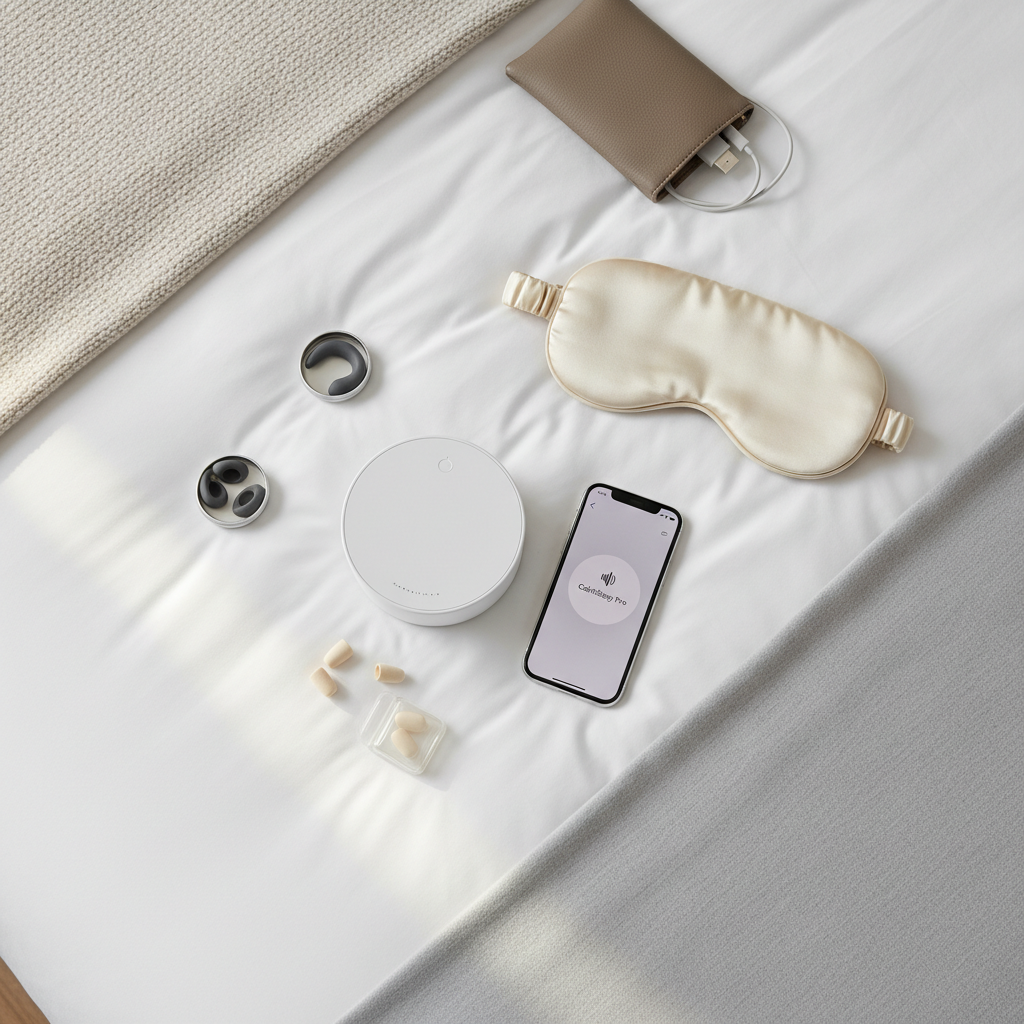
One more honest check: if you only get bothered once in a while, a $10–$20 earplug pack may beat a premium headset you barely use.
Choose your tools: earplugs, ANC, or both?
Most people end up with one primary tool and one fallback. Here’s the simple decision table.
Noise-blocking options at a glance
| Tool | Best for | Pros | Trade-offs |
|---|---|---|---|
| Foam earplugs | Sleep on planes, hotels, sudden spikes | Cheap, strong passive reduction, light | Fit-sensitive, can feel “plugged” |
| Silicone or reusable plugs | Moderate noise, comfort for some ears | Reusable, often less pressure | May seal less than foam |
| ANC over-ear headphones | Airplane rumble, working, long rides | Excellent for low-frequency hum, comfortable for many | Bulky, battery, not perfect for chatter |
| ANC earbuds | Light packing, commuting, mixed use | Portable, good reduction with proper tips | Fit varies, can irritate ears over time |
| White noise / ambient audio | Hotels, chatter masking, consistency | Makes sudden sounds less noticeable | Doesn’t reduce volume, just covers it |
If your main question is how to block out noise while traveling on planes, ANC + a decent seal usually gives the biggest comfort jump. If hotels wreck your sleep, earplugs + white noise often works better than ANC by itself.
Fit is the hidden lever: make your gear actually work
People blame the product, but most failures come from fit. This is especially true with earplugs and earbuds.
Foam earplugs: the 20-second technique
- Roll the plug into a tight cylinder, not a crumpled cone.
- Reach over your head and gently lift the top of your ear, this straightens the ear canal.
- Insert, then hold in place for a few seconds as it expands.
- Test quickly: if voices sound almost unchanged, the seal is probably weak.
Earbuds: tips matter more than the brand
- Try multiple tip sizes, many people need different sizes left vs right.
- Consider foam tips for stronger passive isolation if your ears tolerate them.
- If the earbuds loosen when you chew or talk, your seal will break constantly, and so will your noise reduction.
Over-ear ANC: comfort and seal
- Hair, glasses, and jaw movement can break the cushion seal and weaken reduction.
- If you get headaches, clamp force may be the issue, a lighter model or earbuds might suit you better.
- Keep cushions clean, oil buildup can reduce seal quality over time.
Practical setups by scenario (copy-and-pack)
This is the part most people want: what to do for each travel moment without overthinking it.
Airplane (sleep-focused)
- Primary: foam earplugs or comfortable ANC over-ear headphones, depending on how you sleep.
- Support: eye mask, neck support so your head doesn’t knock the headphone seal loose.
- Audio: low, steady masking sound (brown noise or cabin-style ambience) if your brain stays alert.
According to FAA (Federal Aviation Administration), travelers should remain aware of crew instructions, so if you use high isolation, consider transparency mode during taxi, takeoff, and announcements, or keep one ear partially unblocked when you’re awake.
Train/bus (working or reading)
- ANC for the rumble, plus a soft instrumental playlist to cover voices.
- If you take calls, use a headset with decent microphones, otherwise you’ll end up shouting.
- Choose a seat away from restrooms and doors when possible, spikes come from traffic.
Hotels (thin walls, hallway noise)
- Base combo: earplugs + white noise from a phone app or compact speaker.
- Place the sound source between you and the door or shared wall, it masks the most annoying direction.
- If you wake up to door slams, a slightly louder, steady masking level often works better than constantly changing sounds.
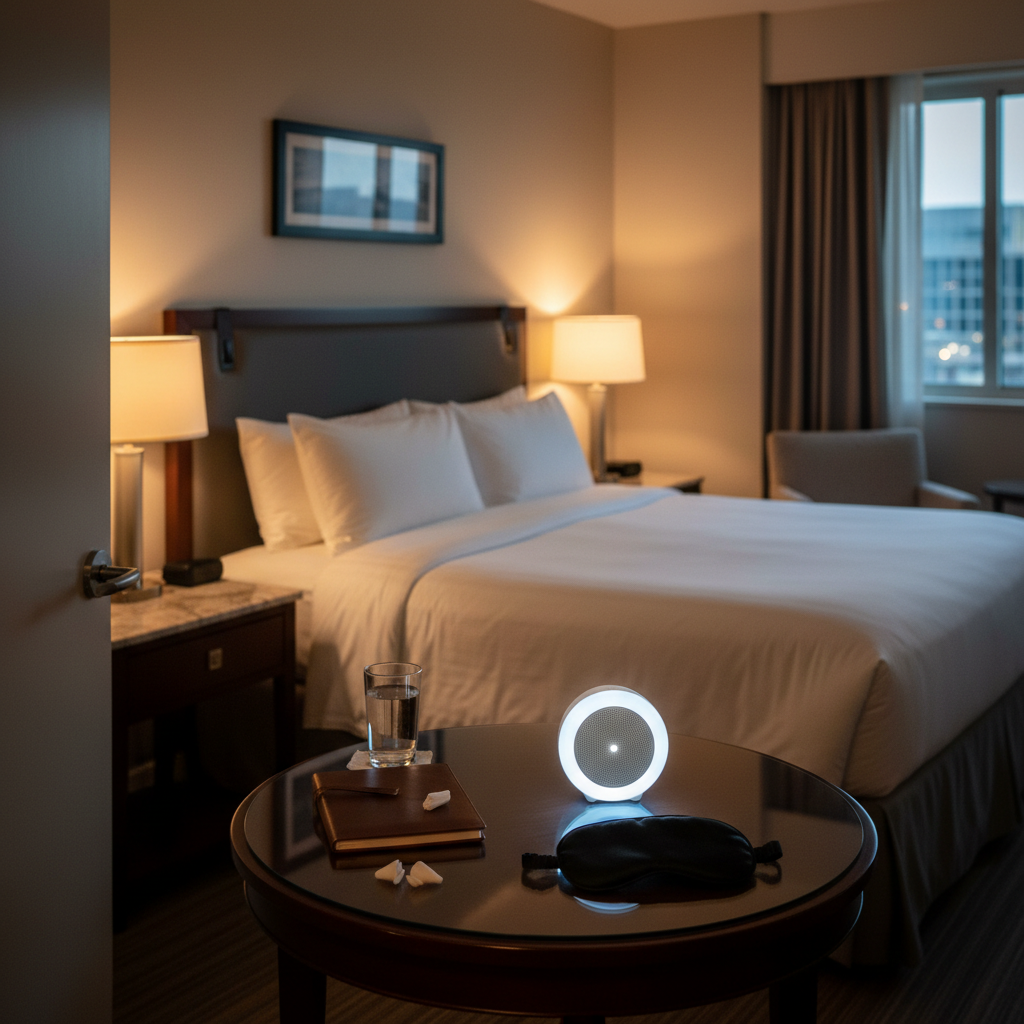
If you’re figuring out how to block out noise while traveling in hotels specifically, this combo usually beats buying a more expensive headset, because hallway noise is sharp and intermittent, and masking smooths it out.
Common mistakes that keep noise problems alive
- Cranking volume instead of improving seal: loud music can add hearing risk and still won’t fix speech intrusion if the fit is poor.
- Assuming ANC cancels everything: it tends to work best on steady low sounds, not all human voices and clacks.
- Buying one solution for every trip: the “right” kit for a red-eye differs from a daytime train ride.
- Ignoring comfort: even great noise reduction fails if you rip the gear off after 30 minutes.
- Not testing before travel day: do a 10-minute trial at home, you’ll catch pressure points and bad tips early.
Key takeaways (so you can act fast)
- Match the tool to the noise: ANC for rumble, earplugs for spikes, masking for voices and doors.
- Fit beats specs: a good seal often matters more than a premium model.
- Carry a fallback: even if you love ANC, pack simple earplugs, they weigh nothing.
- Stay situationally aware: don’t fully block sound when you need to hear instructions or navigate safely.
When you should consider professional help
If you regularly struggle with ringing in the ears, pain, dizziness, or a sense of pressure that does not resolve after flights, it’s worth talking with a clinician, often a primary care provider or an audiologist. Some symptoms can relate to earwax, infection, or eustachian tube issues, and self-treating with deeper insertion or higher volume can make things worse.
Also, if you rely on high volume to cope with travel noise, consider asking an audiologist about safer listening habits. According to NIDCD (National Institute on Deafness and Other Communication Disorders), protecting hearing early matters because damage can build gradually.
Conclusion: build a repeatable “quiet kit” you actually use
Learning how to block out noise while traveling is less about chasing perfect silence, and more about a small, dependable routine: pick the right tool for the noise, make sure it fits, and keep one backup option in your bag.
If you want an easy next step, do a quick trial this week: test your earplugs or ANC for 15 minutes in a noisy cafe or at home with a fan running, adjust fit until the difference feels obvious, then pack that exact setup in the same pocket every trip.