
Best island travel destinations 2026 can feel oddly hard to choose because “best” depends on timing, flight routes, weather swings, and what kind of trip you actually want, quiet beach days, big-hike energy, food-first exploring, or a bit of all three.
If you pick an island the same way you pick a wallpaper photo, you often pay for it later with rain week forecasts, sold-out ferries, or a resort location that looks close on a map and still takes two hours to reach. A smarter shortlist saves money and mood, especially if you travel from the U.S. and want to avoid long layovers.
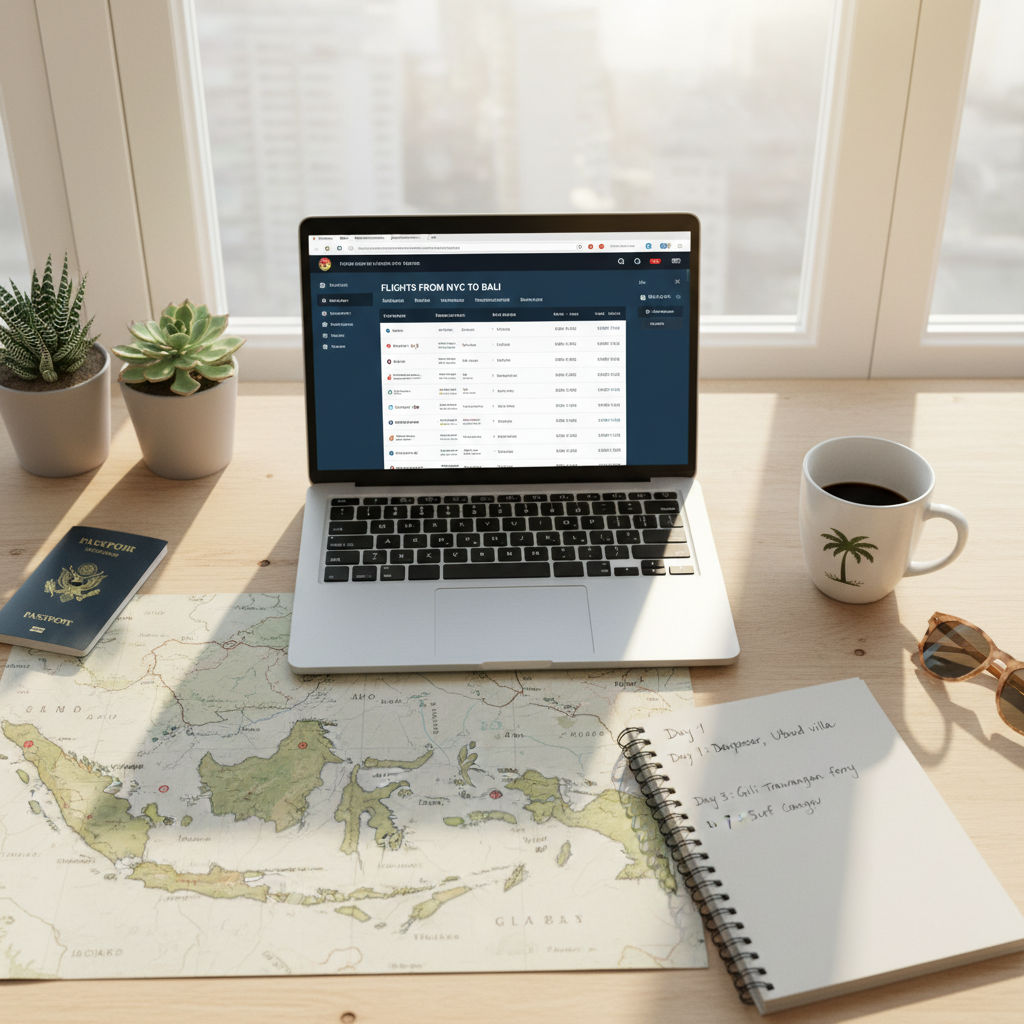
This guide narrows down realistic island picks for U.S. travelers in 2026, plus a quick decision checklist, a comparison table, and booking tactics that hold up even when prices move. You’ll also see where common advice breaks, like “just go shoulder season,” which is true until it isn’t.
How to pick an island for 2026 without second-guessing
When people search best island travel destinations 2026, they usually want a single winner. In practice, you’re picking a “best fit” across four variables that quietly control your trip.
- Weather window: Not just rain, also wind, swell, and humidity. For snorkel and boat days, wind matters as much as storms.
- Flight reality from the U.S.: Direct options beat dream itineraries, especially for shorter trips.
- Trip style: Resort reset, adventure, culture and food, diving, remote-work, family, honeymoon, they don’t overlap as neatly as ads suggest.
- Budget friction: Islands can be expensive in sneaky ways: transfers, boat tickets, food markup, car rentals, resort fees.
Key takeaway: Choose your top two priorities, then eliminate islands that fight them. If “calm water” and “walking town” matter most, some iconic surf-heavy islands stop making sense.
A short list of best island travel destinations 2026 (by trip type)
Below are islands that tend to work well for American travelers in 2026 because they offer reliable infrastructure, strong travel appeal, and clear “why this island” logic. Availability and local conditions can change, so treat this as a starting shortlist.
Caribbean and nearby (easy flights, shorter PTO)
- St. Lucia: Dramatic scenery, couples trips, hikes and beaches in one place.
- Turks and Caicos (Providenciales): Clear water and beach time, simple logistics.
- Aruba: Drier feel than many Caribbean islands, good for consistent beach days.
- Puerto Rico: No passport for U.S. citizens, mix of city energy and coastline.
Pacific (bigger trip, bigger payoff)
- Maui or Kauaʻi (Hawaiʻi): U.S. domestic travel ease, strong mix of nature and comfort.
- Bora Bora (French Polynesia): Honeymoon fantasy done right, but budget planning matters.
- Fiji (main islands + outer islands): Warm hospitality, snorkeling and resort variety.
Indian Ocean (long-haul, “once in a while” trips)
- Mauritius: Great beaches plus culture and hiking, often under-considered.
- Seychelles: Iconic granite beaches and nature, requires more careful island-hopping planning.
Mediterranean (food, towns, late-night strolls)
- Greek Islands (Naxos, Paros, Crete): Strong value outside peak weeks, easy to blend beach and villages.
- Mallorca: Beaches plus mountain drives and restaurants, good for mixed groups.
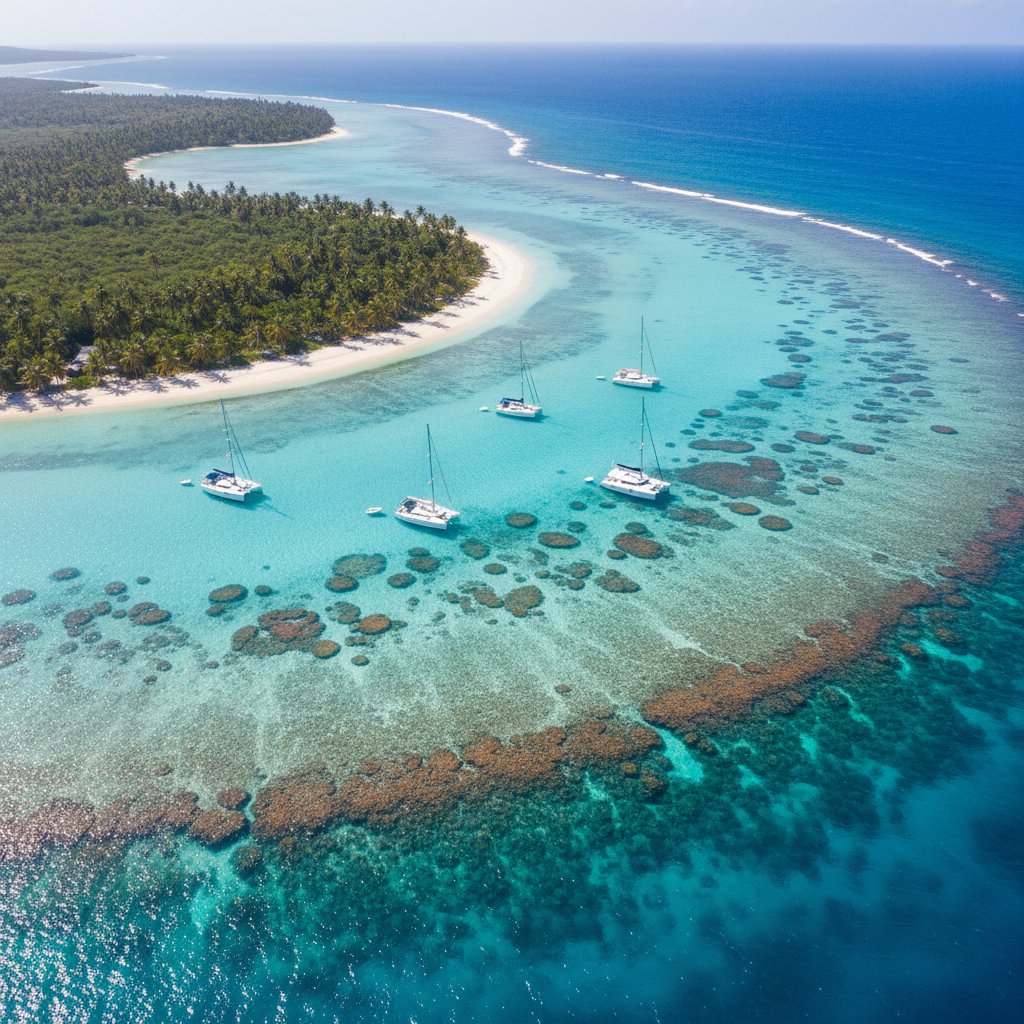
Quick comparison table: match islands to your priorities
Use this table to get unstuck. It’s not a ranking, it’s a “fit” view for common 2026 trip goals.
| Island | Best for | Typical trip length | Budget feel | Watch-outs |
|---|---|---|---|---|
| St. Lucia | Scenery + romance + hiking | 5–8 nights | Mid to high | Curvy drives, choose location carefully |
| Turks and Caicos | Beach + easy downtime | 4–7 nights | High | Dining costs add up quickly |
| Aruba | Reliable sun + easy planning | 4–7 nights | Mid to high | Windy days can affect water feel |
| Puerto Rico | Culture + beaches + quick getaway | 3–7 nights | Low to mid | Weather swings, pick regions by season |
| Maui / Kauaʻi | Nature + comfort + road trips | 6–10 nights | High | Car costs, plan drives and parking |
| Bora Bora | Bucket-list lagoons | 6–9 nights | Very high | Transfers, room categories matter a lot |
| Fiji | Snorkel + friendly resorts | 7–12 nights | Mid to high | Outer island logistics, ferry/flight timing |
| Naxos / Paros / Crete | Food + towns + beaches | 7–12 nights | Mid | Peak summer crowds, ferry timing |
Self-check: which “island traveler type” are you?
If you answer these quickly, you’ll usually narrow to two or three true contenders, which is the sweet spot for booking.
- I get restless: I want hiking, driving, or day trips most days.
- I want the water to do the work: Snorkel, swim, boat days, calm coves.
- I travel for food and streets: Walkable towns, markets, late dinners, local culture.
- I need easy-mode logistics: Short flights, fewer transfers, predictable transport.
- I’m price sensitive: I’d rather trade a fancy room for a longer trip.
How to read your answers: If “easy-mode logistics” and “price sensitive” both hit, Puerto Rico or a simpler Caribbean island often beats far-flung lagoon trips. If “water does the work” is the loudest yes, prioritize clarity and shelter from wind, not just hotel stars.
Practical planning tips for 2026: timing, flights, and stays
Most frustration with best island travel destinations 2026 comes from planning order. People lock the hotel first, then realize flights are ugly, or the beach they wanted faces the wrong direction for that month.
Pick your week by conditions, not by calendar labels
- Shoulder season can be great value, but it can also mean rougher seas or shorter “perfect beach” windows.
- Microclimates matter on mountainous islands, one coast can be breezy while another stays calmer.
- For boat-heavy trips, look at wind and swell patterns, not just rainfall averages.
According to NOAA, official forecasts and marine conditions can change quickly, so checking closer to departure helps set expectations, especially for ocean activities.
Flights: optimize for fewer weak links
- Prefer itineraries with one connection max if the trip is under a week.
- Build in buffer time when ferries or inter-island flights are involved.
- If you’re splitting islands, keep the “travel day” honest, a two-hour hop can eat a full day once transfers stack up.
Stays: location beats “top-rated” more often than people admit
- Beach orientation affects wind and waves, ask how it feels during your travel month.
- Decide if you want walkable dining or a resort bubble, renting a car nightly is a hidden tax.
- For overwater or villa categories, confirm what’s included, transfers, breakfast, resort fees, and boat activities vary widely.

Sample itineraries you can adapt (3–10 days)
These are intentionally simple. You can add tours later, but the base structure prevents the classic island mistake: trying to “see everything” and spending half the trip in transit.
3–4 days: quick reset
- Stay in one area, prioritize beach access and walkable meals.
- Plan one “anchor” activity: a snorkel trip, rainforest hike, or food tour.
- Leave one half-day unscheduled so weather changes don’t ruin your mood.
5–7 days: balanced island week
- Two full beach days, two activity days, one flexible day.
- If renting a car, cluster drives to avoid daily long loops.
- Book any must-do boat or popular restaurant early, then stop.
8–10 days: island + island (only if logistics are easy)
- Keep it to two stops max, moving more than that often turns into packing fatigue.
- Split by experience: one “town/food” base, one “beach/water” base.
- Choose mid-day transfer times when possible, morning stress compounds.
Common mistakes (and what to do instead)
- Chasing a viral “hidden beach”: Many are hidden for a reason, access, safety, parking, or seasonal currents. Pick one adventurous beach, not five.
- Underestimating transport: Ferries sell out, roads run slow, and taxis can be scarce at peak times. Confirm transport before you commit to nonrefundable stays.
- Budgeting only flights + hotel: On islands, food, activities, and transfers can rival lodging. Build a cushion for meals and boat days.
- Ignoring your swim comfort: If you’re not a confident swimmer, select calmer coves, lifeguarded beaches when available, and guided snorkels.
For water safety and beach conditions, local guidance is often more useful than general travel blogs. According to CDC, travelers should consider destination-specific health and safety recommendations, and some people may want to consult a medical professional before high-heat or high-activity trips.
When it’s worth getting professional help
You probably don’t need a full-service agent for a simple Caribbean long weekend. But professional planning can pay off when the itinerary has multiple connections or high-stakes reservations.
- Complex routing: inter-island flights, ferries, or remote resorts with timed transfers
- Special occasions: honeymoon, proposal, multi-generational family trip
- Medical or mobility considerations: heat sensitivity, accessibility needs, dietary constraints
- Weather-risk seasons: if you’re traveling during a more volatile window and need backup options
Conclusion: pick “best” by fit, then book the parts that sell out first
The easiest way to choose among the best island travel destinations 2026 is to stop aiming for a universal top island and instead lock your priorities: water conditions, flight simplicity, and the day-to-day vibe you want when you wake up.
If you want one next step, build a shortlist of three islands, check your week’s typical conditions, then price flights before you fall in love with a hotel. That order prevents most regret, and it keeps your 2026 trip feeling like a getaway, not a project.
FAQ
- What are the best island travel destinations 2026 for a short trip from the U.S.?
For many travelers, Puerto Rico and parts of the Caribbean work well because flight times are manageable and you can still feel “away” without losing two days to transit. - Which islands are best for clear water and snorkeling?
Turks and Caicos, parts of Aruba, and many South Pacific lagoons can be great choices, but clarity depends on wind and local conditions, so check seasonal patterns and recent marine forecasts. - Is it smarter to book island trips early for 2026?
Often yes for peak weeks, limited-room resorts, and inter-island routes. If your plans are flexible, waiting can sometimes help, but it also increases the chance your preferred flight schedule disappears. - How do I avoid picking a resort that feels isolated?
Map real drive times and look for clusters of restaurants or beaches near your stay. Reviews can help, but pay attention to comments about transport and walkability, not just the room photos. - Are Greek islands a good idea in summer, or too crowded?
They can be both. If you’re set on July or August, consider slightly less “poster” islands or plan early dinners and morning beach time to dodge the busiest hours. - What’s a realistic budget planning approach for island travel?
Separate fixed costs (flight, lodging) from variable costs (meals, taxis, tours), then add a cushion for transfers and one splurge activity. Islands often surprise people on food and transport. - How can I plan around hurricane season without overreacting?
Keep bookings flexible where possible, consider travel insurance that matches your risk tolerance, and watch official updates closer to departure. For personal risk questions, it may help to consult a qualified professional.
If you’re trying to choose between two islands and keep bouncing between tabs, a simple way to save time is to write down your non-negotiables, flight tolerance, and a rough total budget, then build one clean itinerary draft and see where it breaks, that usually reveals the right destination fast.