
how to pack for norway winter trip questions usually boil down to one thing: you want to stay warm and dry without dragging half your closet across airports, trains, and icy sidewalks.
Norway in winter can feel deceptively manageable on paper, then you step outside and the wind, wet snow, and fast-changing conditions make “one big coat” packing fall apart. The good news is you can pack smart with a simple layer system, the right footwear, and a few small accessories that do a lot of heavy lifting.
This guide focuses on what tends to matter for most U.S. travelers: city-to-fjord itineraries, a mix of walking and transit, and indoor spaces that are well-heated. You’ll get a quick self-check, a packing table, and practical swaps so you don’t overpack.
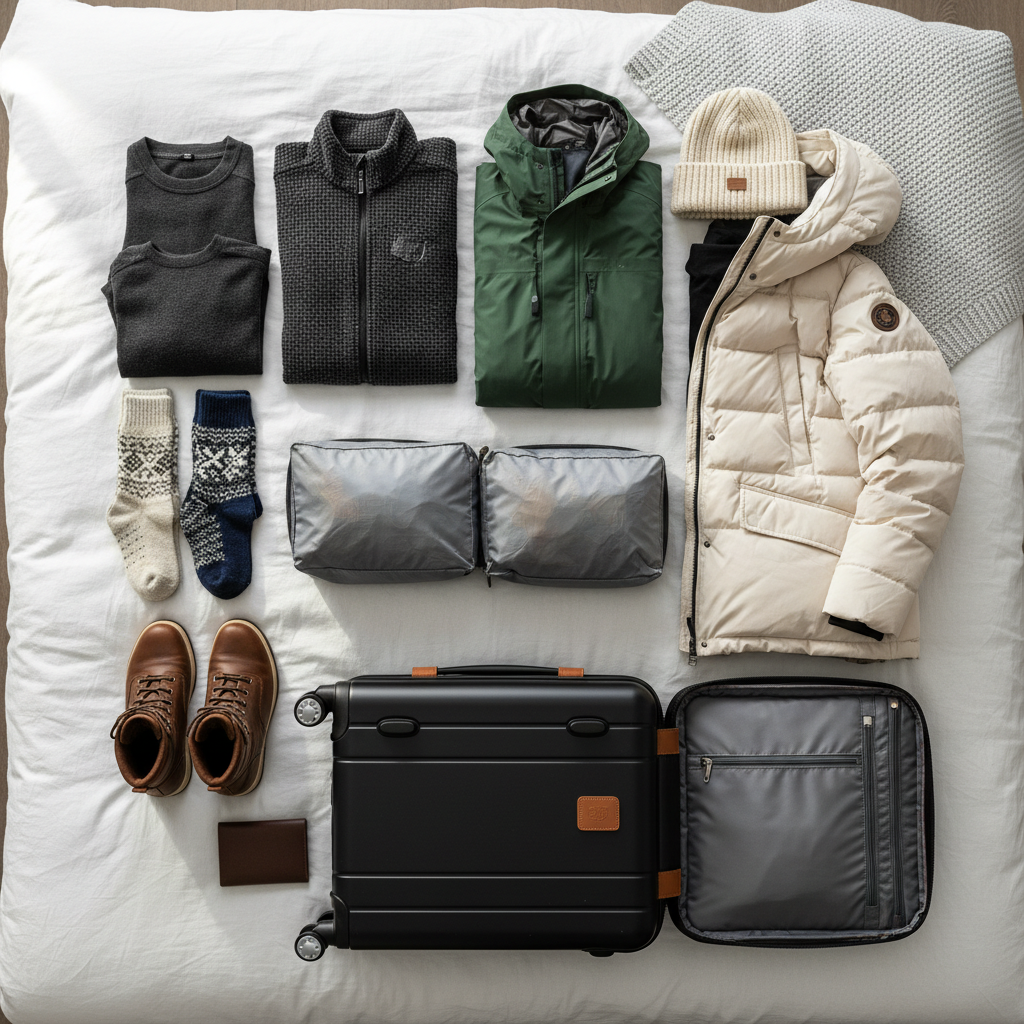
Know what you are packing for: weather, wind, and indoor heat
For how to pack for norway winter trip planning, it helps to think in “conditions,” not just temperatures. Coastal cities like Bergen can be milder but wetter, inland areas can be colder and drier, and wind near the fjords can make a normal day feel harsher.
One thing many travelers underestimate is indoor heat. Restaurants, museums, trains, and hotels can feel warm, so clothing that works in layers matters more than a single ultra-thick outfit you can’t adjust.
- Wet cold (rain/sleet, slushy sidewalks): prioritize waterproof outer layers and footwear.
- Dry cold (clear days, inland): prioritize insulation and wind protection.
- Wind exposure (coastal viewpoints, boat tours): prioritize a windproof shell and face/hand protection.
According to Norwegian Meteorological Institute (MET Norway)... local conditions can change quickly, so checking a reliable forecast close to departure and during the trip is part of packing “right,” not just planning “ahead.”
Quick self-check: your itinerary decides your packing list
Before you buy anything, run through this quick checklist. It prevents the classic mistake: packing for one extreme day and suffering through the other six.
- Mostly city (Oslo, Bergen, Tromsø city): you’ll want comfortable walking shoes/boots and versatile layers.
- Daily nature time (fjords, Northern Lights tours, snow activities): you’ll need a stronger outer shell, warmer accessories, and extra socks.
- Longer outdoors at night (aurora chasing, photography): you’ll want more insulation than daytime sightseeing.
- Moving every 1–2 days: lighter luggage wins, pick mix-and-match pieces and plan laundry.
- Sensitive to cold: pack an extra mid-layer and warmer gloves, don’t rely on “I’ll tough it out.”
If your answers mix categories, pack for the “most exposed” parts (wind + wet) and add a bit of insulation you can remove indoors.
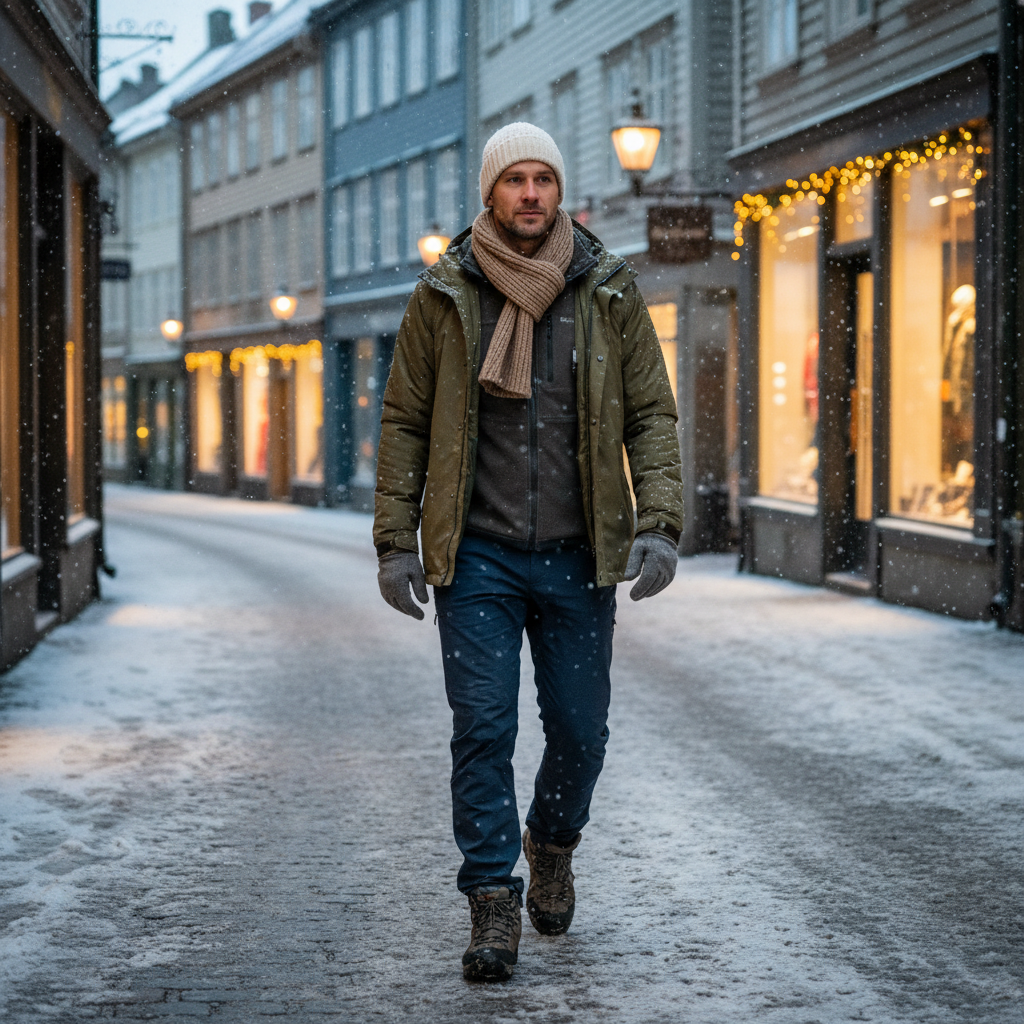
The layer system that actually works in Norway
If you only remember one thing about how to pack for norway winter trip success, make it this: layers beat bulk. You want to regulate temperature when you move between cold streets and warm indoor spaces.
Base layer: manage moisture (not just warmth)
Pick merino wool or synthetic base layers. Cotton tends to hold moisture, which can feel clammy in cold weather.
- 1–2 long-sleeve base tops
- 1–2 base bottoms (more if you’ll be outside for hours)
Mid-layer: your adjustable insulation
This is usually a fleece, lightweight down jacket, or wool sweater. It’s the layer you’ll add and remove the most.
- 1 fleece or warm sweater
- Optional: packable down jacket if you run cold or plan long outdoor time
Outer layer: wind + precipitation protection
For many Norway winter trips, a waterproof or highly water-resistant shell matters more than the thickest parka, especially in coastal areas. If you bring a parka, make sure it blocks wind and handles wet conditions.
- 1 waterproof shell jacket (or a weatherproof insulated parka)
- Optional: waterproof shell pants for tours, snow activities, or very wet forecasts
According to Centers for Disease Control and Prevention (CDC)... staying dry is important for cold-weather safety; if you have medical concerns or a history of cold-related issues, it’s reasonable to discuss travel plans with a clinician.
Core packing list with a practical table (7–10 days)
Below is a “normal” list that fits most U.S. travelers doing a mix of city and light outdoor touring. Adjust up if you’ll be outside for long stretches or if you strongly prefer fresh outfits daily.
| Category | Bring | Why it earns space |
|---|---|---|
| Base layers | 2 tops, 1–2 bottoms | Comfort across temperature swings, reduces bulk |
| Mid-layers | 1 fleece/sweater, optional packable down | Easy warmth control, works indoors too |
| Outerwear | 1 waterproof shell or insulated parka | Wind + wet protection, biggest comfort multiplier |
| Pants | 1–2 travel pants/jeans, optional shell pants | Rotate and re-wear, add shell only if needed |
| Socks | 5–7 pairs wool/synthetic | Warm feet matter more than extra shirts |
| Footwear | 1 waterproof boots, optional sneakers | Traction + dry feet; sneakers for indoor/gym |
| Accessories | Hat, scarf/neck gaiter, gloves (+liners) | Small items that solve most “too cold” moments |
| Tech | Power bank, charging kit, waterproof phone pouch | Cold drains batteries, wet weather happens |
Key point: if you’re trying to cut weight, cut duplicate tops before you cut socks, gloves, or weatherproofing.
Footwear and traction: where trips get uncomfortable fast
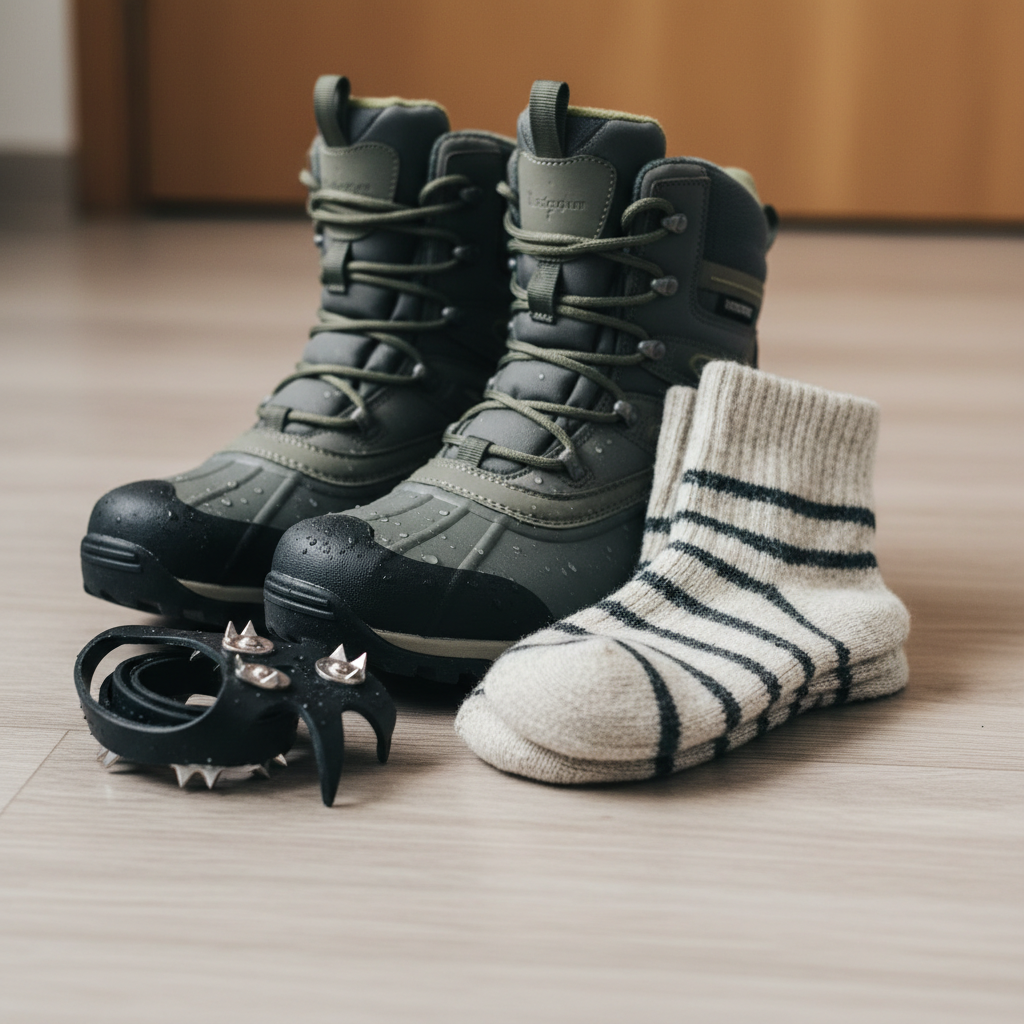
A lot of packing lists undersell shoes, but for how to pack for norway winter trip reality, your feet decide whether you enjoy the day. Slush and freeze-thaw cycles can make sidewalks slick, and wet socks can ruin your mood quickly.
- Waterproof ankle boots with a grippy sole: a solid default for cities and light tours.
- Wool socks: bring enough to rotate, and let pairs air out overnight.
- Traction add-ons (microspikes/cleats): helpful if you expect ice, especially in northern areas or hillside neighborhoods.
- Fit matters: boots should allow a thicker sock without cutting circulation.
If you already own comfortable hiking boots that are water-resistant, you can often make them work by adding better socks and a waterproofing treatment, though results vary by material and wear.
Carry-on essentials for cold, delays, and lost luggage
Norway winter logistics are usually smooth, but weather can still cause delays. A smart personal item setup means you can handle a long day without panicking about checked luggage.
- One full base layer set (top + bottom) in your carry-on
- Warm accessories: hat, gloves, neck gaiter
- Medication you might need, plus basic pain relief if appropriate for you
- Power bank and charging cable
- Snack and a reusable water bottle (empty for security)
- Thin tote or packable day bag for groceries, extra layers, museums
If you’re packing for Norway winter travel with camera gear, keep batteries close to your body when outside because cold can reduce battery performance.
Common mistakes (and what to do instead)
Most overpacking comes from fear: fear of being cold, of looking underdressed, of not having the exact item for each photo. The fix is choosing items that do double duty.
- Mistake: bringing multiple heavy sweaters. Instead: one warm mid-layer plus a base layer rotation.
- Mistake: a warm coat that isn’t windproof or water-resistant. Instead: prioritize weather protection, then add insulation underneath.
- Mistake: fashion boots with smooth soles. Instead: traction-first boots, then use nicer outfits on top.
- Mistake: forgetting indoor comfort. Instead: pack one breathable outfit you actually enjoy wearing inside.
- Mistake: too many “just in case” items. Instead: pack for 2–3 weather scenarios and plan one laundry moment.
Also, if you’re tempted to buy everything new, pause and test what you already own in cold rain back home. You’ll learn more in 20 minutes outside than from ten gear lists.
Step-by-step: build your Norway winter packing plan in 30 minutes
This is the part people appreciate the night before a flight.
- Check the forecast for your exact stops (not just “Norway”). Note wind and precipitation.
- Choose one outer system: shell + mid-layer, or insulated parka + optional rain protection.
- Pick two base layer sets and commit to re-wearing mid-layers.
- Lock footwear early: waterproof boots, then add traction if ice looks likely.
- Build a small accessory kit: hat, gloves, neck gaiter, hand warmers if you like them.
- Pack your carry-on “survival capsule”: base layer + accessories + meds + power.
- Do a 60-second weight check: if your bag feels heavy now, it will feel worse on cobblestones later.
If you want one simple rule: pack for wet + wind, then add warmth as removable layers.
Conclusion: pack for flexibility, not extremes
how to pack for norway winter trip becomes much easier when you stop chasing the perfect single jacket and start building a flexible layer system, plus footwear you trust on wet streets. Most travelers do fine with a small set of repeatable pieces, good socks, and accessories that protect hands, ears, and neck.
Your next step is simple: write down your itinerary blocks, label them “city,” “outdoors,” and “night,” then adjust the table above up or down by one layer. If anything still feels uncertain, prioritize weatherproofing and traction, those two choices usually pay off fast.