
how to stay safe in hostel as solo traveler usually comes down to three things: choosing the right property, protecting your stuff without turning paranoid, and trusting your instincts when something feels off.
If you are traveling alone, hostels can feel like the best and worst idea in the same moment, you save money and meet people fast, but you also share space with strangers, odd schedules, and sometimes a little chaos.
This guide keeps it practical, not dramatic, covering what actually reduces risk in real hostel life: booking signals to look for, dorm choices that matter, day-to-day habits, and what to do when you need help.
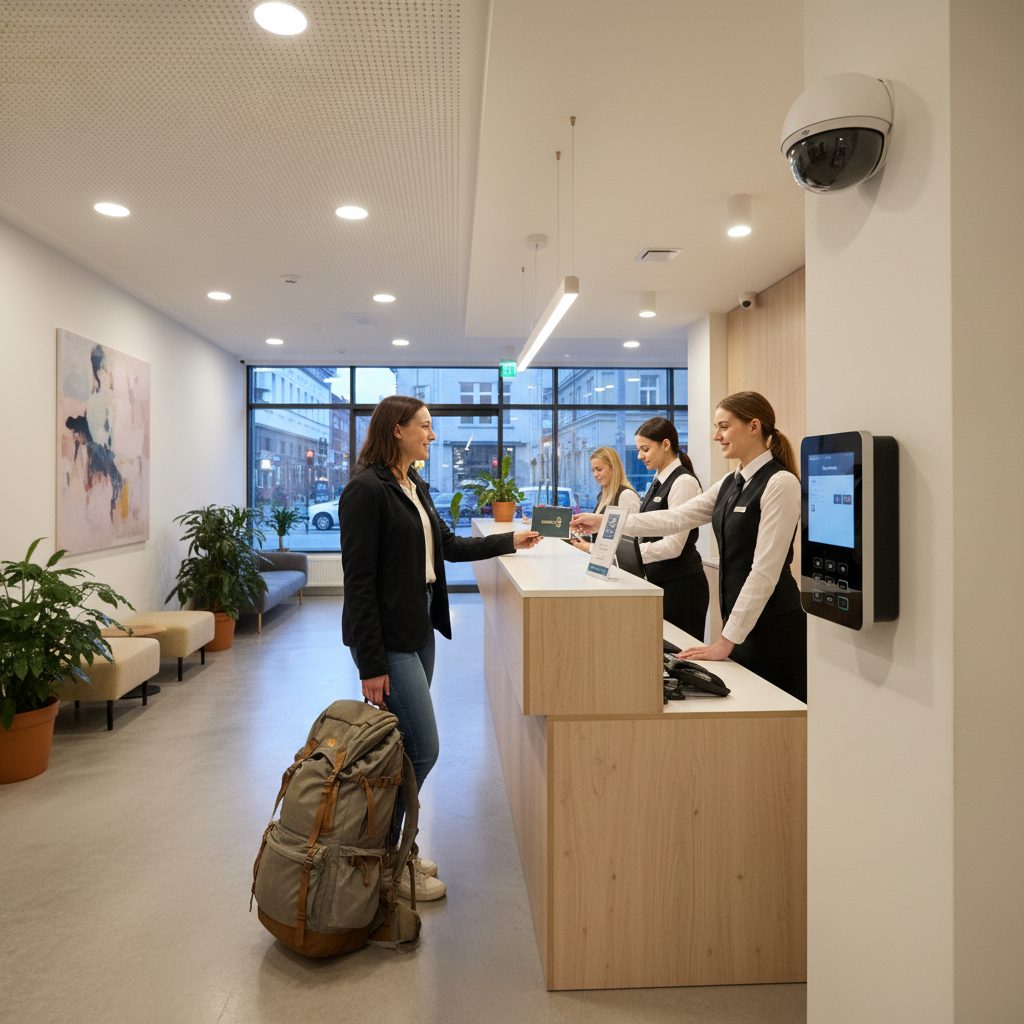
Start with the booking signals that actually predict safety
Most safety problems in hostels are not movie-level danger, they are smaller and more common: stolen chargers, someone wandering into the wrong room, a pushy guest who ignores boundaries, or a property that feels unmanaged.
Before you book, focus on signals that suggest the place is run tightly, not just “popular.” According to U.S. Department of State, travelers should research accommodations in advance and stay aware of local conditions, that advice applies even more when you share space.
What to scan for on the listing
- 24/7 reception or late check-in process, fewer random access moments at night.
- Keycard access for building and rooms, or at least coded entry plus lockers.
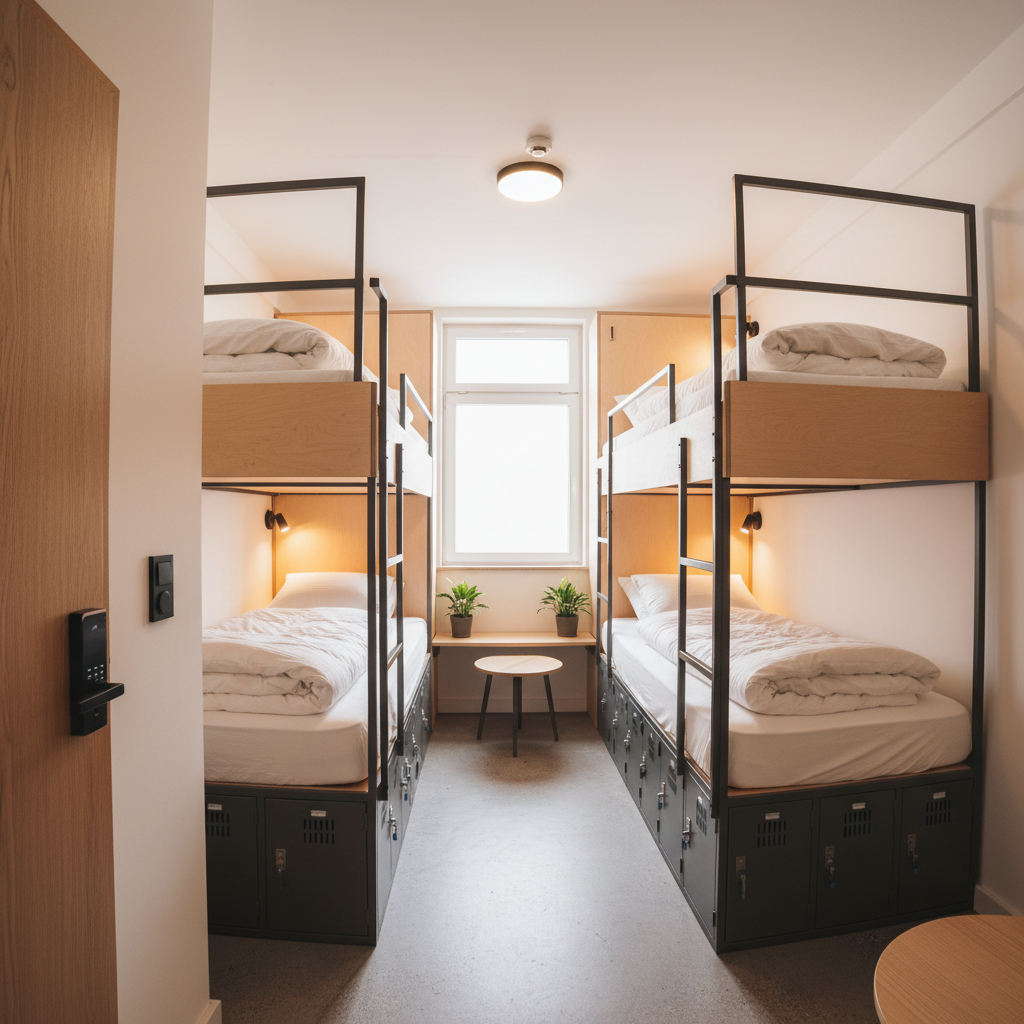
- Lockers that fit a real backpack, not a tiny metal box that forces you to leave valuables out.
- Clear house rules about visitors, quiet hours, and alcohol in dorms.
- Recent reviews mentioning staff presence, look for “staff handled it,” not just “great vibe.”
Red flags people talk themselves out of
- Reviews describing frequent “random people” in common areas
- Multiple mentions of missing items, even if the hostel replies politely
- Photos that show dorm doors without proper locks, or lockers without anchors
- A party reputation when you want sleep, fatigue makes judgment worse
Choose your room like you choose your seat on a plane
When people ask how to stay safe in hostel as solo traveler, they often assume the answer is “bring a better lock,” but your dorm choice does a lot of heavy lifting before you even unpack.
No room type is perfect, but you can match it to your comfort level and the city context, and that usually reduces problems more than any gadget.
Quick comparison table: dorm options and safety tradeoffs
| Option | Why it can feel safer | Common downside | Best for |
|---|---|---|---|
| 4–6 bed dorm | Fewer unknowns, easier to notice who belongs | Often sells out fast | First-time solo travelers |
| 8–12+ bed dorm | Sometimes cheaper, more social | More traffic, more “who is that?” moments | Experienced hostel travelers in lower-risk areas |
| Female-only dorm | Many travelers report better sleep and fewer boundary issues | Not always available, varies by property | Anyone who prefers it, especially in party-heavy hostels |
| Private room | Control over your space, lockable door | Costs more, can feel isolated | High-value gear, burnout days, sensitive sleepers |
Small choices that matter in real life
- Pick a bed away from the door when you can, less foot traffic near your stuff.
- Top bunk vs bottom bunk is comfort, not safety, but bottom bunks see more rummaging around.
- Near the bathroom is convenient, but it can mean constant movement at night.
Protect your valuables without living out of your backpack
Most hostel theft is opportunistic, someone sees something unattended and convinces themselves it is fine to grab it. Your goal is to remove easy opportunities.
Think in layers: reduce what you carry, keep essential items on you, lock the rest, and avoid broadcasting what is valuable.
A simple “two-zone” system
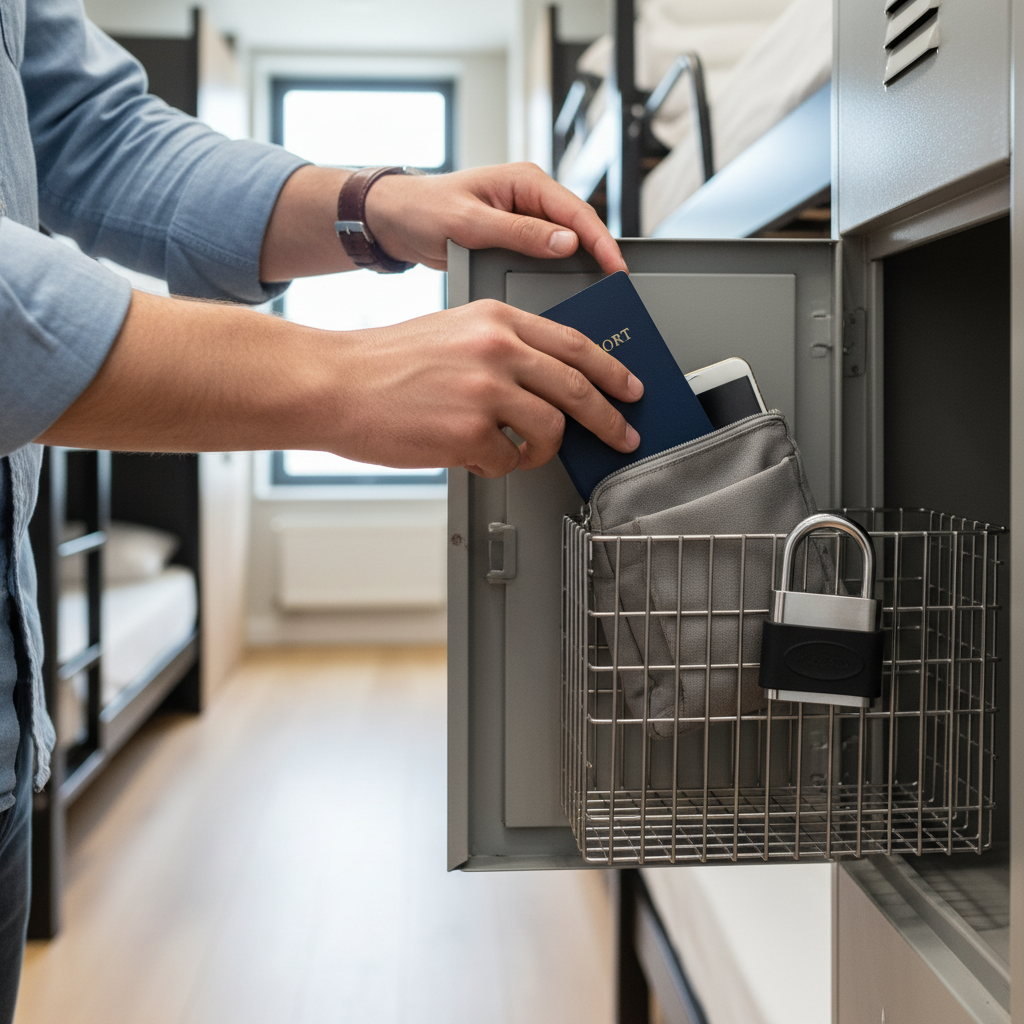
- On-body zone: passport, phone, one payment card, a little cash, room keycard, critical meds. Keep this with you even in the kitchen.
- Locker zone: laptop, camera, spare cards, backup cash, travel documents you do not need that day.
What to pack for hostel security (realistic, not overkill)
- Solid padlock that fits hostel lockers, not all lockers take chunky locks.
- Small cable lock if you travel with a laptop and the locker setup looks flimsy.
- Microfiber towel or packing cube to cover valuables in an open shelf, visual privacy helps.
- Door wedge can help in private rooms, but check rules, and do not block emergency exits.
Also, keep a photo of your passport and key documents in a secure cloud folder, not because it replaces the real thing, but because it helps in a stressful moment. According to U.S. Department of State, travelers should keep copies of important documents in case originals are lost or stolen.
Use “social safety”: meet people, but do it with boundaries
Solo travel safety is often social, not physical. When the hostel vibe is healthy, other guests and staff become a quiet safety net, people notice if someone is out of line, and you are not navigating everything alone.
But boundaries matter, especially when you are tired, new to a city, or tempted to say yes to everything.
Good ways to connect without oversharing
- Join a hostel walking tour or group dinner, public plans beat “come to my friend’s apartment.”
- Share general plans, not specifics, say “I’m exploring museums,” skip “I’m going to this exact neighborhood alone at 11pm.”
- Tell one person you trust at the hostel where you are headed, especially for hikes or day trips.
Boundary scripts that feel natural
- “I’m keeping it low-key tonight, but maybe breakfast tomorrow.”
- “I already have plans, I’m meeting someone.” Even if that “someone” is you and a book.
- “I don’t share my room number, sorry.” Staff never need your dorm number in public either.
If someone makes you uncomfortable, you do not owe them a debate. Move seats, head to reception, or join another group, the fastest exit is usually the safest one.
Daily habits that reduce risk in shared spaces
how to stay safe in hostel as solo traveler often becomes a set of boring habits, and boring is good. You want routines that work even when you are jet-lagged and your brain is running on 40% battery.
A quick self-check list
- Can I lock my valuables in under 30 seconds without thinking?
- Did I check that the dorm door actually latches every time?
- Do I know where reception is and when it is staffed?
- Have I avoided labeling my bag with my full name and address?
- Do I have a “get out” plan if my gut says no?
Small actions that prevent common problems
- Do not leave your phone charging unattended in common areas, that is prime “walk-away” territory.
- Shower smart, take a waterproof pouch or keep valuables in a locked locker, not on the bench.
- Keep one ear open when returning late, intoxicated guests and dim hallways are a bad combo.
- Trust staff processes, if a hostel has wristbands or check-in rules, follow them, it reduces random access.
What to do if something feels wrong (or actually happens)
This is the part people skip because it feels uncomfortable, but it is the difference between a weird moment and a ruined trip. If you sense escalation, act early.
If you feel unsafe in the moment
- Go to reception or a staffed area, not your dorm bed hoping it passes.
- Ask to change rooms, many hostels can move you if there is space, especially for safety concerns.
- If you are being followed or threatened, consider contacting local emergency services, you deserve support even if you are “just traveling.”
If something gets stolen
- Tell reception quickly, timing helps with cameras, door logs, and staff awareness.
- Document what is missing, take photos, write down date, time window, room number.
- If important documents or high-value items are involved, you may need a police report for insurance, policies vary so check your coverage terms.
According to U.S. Department of State, U.S. citizens abroad can contact the nearest U.S. embassy or consulate for assistance after serious incidents, and they can explain options, they cannot replace local law enforcement.
Common mistakes solo travelers make in hostels
These are easy to do, especially on day one when everything feels new, and you are trying to be “chill.” You can be friendly and still be careful.
- Assuming “nice people” equals “safe situation”, most people are fine, the issue is the one person who is not.
- Over-trusting dormmates after one conversation, familiarity is not vetting.
- Leaving the keycard unattended, losing access control creates downstream problems.
- Drinking more than you planned because it is social, impaired judgment is a predictable risk factor.
- Posting real-time location on public social accounts, delay posts if you can.
Key takeaways to keep in your head
- Well-run hostels feel boring in the right ways, clear rules, visible staff, predictable access.
- Use layers, on-body essentials, locker valuables, low-profile habits.
- Move early when something feels off, you do not need proof to protect yourself.
Practical “first 30 minutes” checklist after you check in
If you want a concrete routine, do this once per hostel. It takes half an hour, and it usually answers the question of how to stay safe in hostel as solo traveler better than any forum thread.
- Test the dorm door, does it latch, do people prop it open, can anyone tailgate behind you?
- Find the locker, check size and whether you need your own lock, set it up immediately.
- Locate reception, exits, and a “safe spot” to sit if you need staff help fast.
- Ask staff about neighborhood basics, which streets feel sketchy late, best route back at night.
- Set your on-body pouch, then relax, you are not “on guard,” you are prepared.
If you do nothing else, do that setup, it changes the whole stay.
Conclusion: safer hostels are usually the ones you can predict
Staying safe as a solo traveler in a hostel is not about fear, it is about predictability and control, you pick properties with visible management, you set up your valuables system, and you keep social plans public until trust earns itself.
Tonight, choose one action: either re-check your next booking for safety signals, or build your two-zone valuables setup so it becomes automatic. That small shift tends to make the rest of the trip feel lighter.