
Best travel lip balm with spf is less about “cutest tube” and more about whether it survives heat, stays on through coffee and cabin air, and gives real UV protection when you’re outside more than you planned.
Most people shop lip balm like a snack, quick decision, done, then they land in a dry climate or spend a day on the water and realize their lips feel sandpaper-rough by dinner. SPF makes it trickier because the label can look reassuring while the formula feels awful, tastes sunscreen-y, or slides off in 20 minutes.
This guide is for U.S. travelers who want a 2026-ready shortlist, plus a simple way to choose based on your trip type, climate, and sensitivities. No magic claims, just what tends to matter in real use.
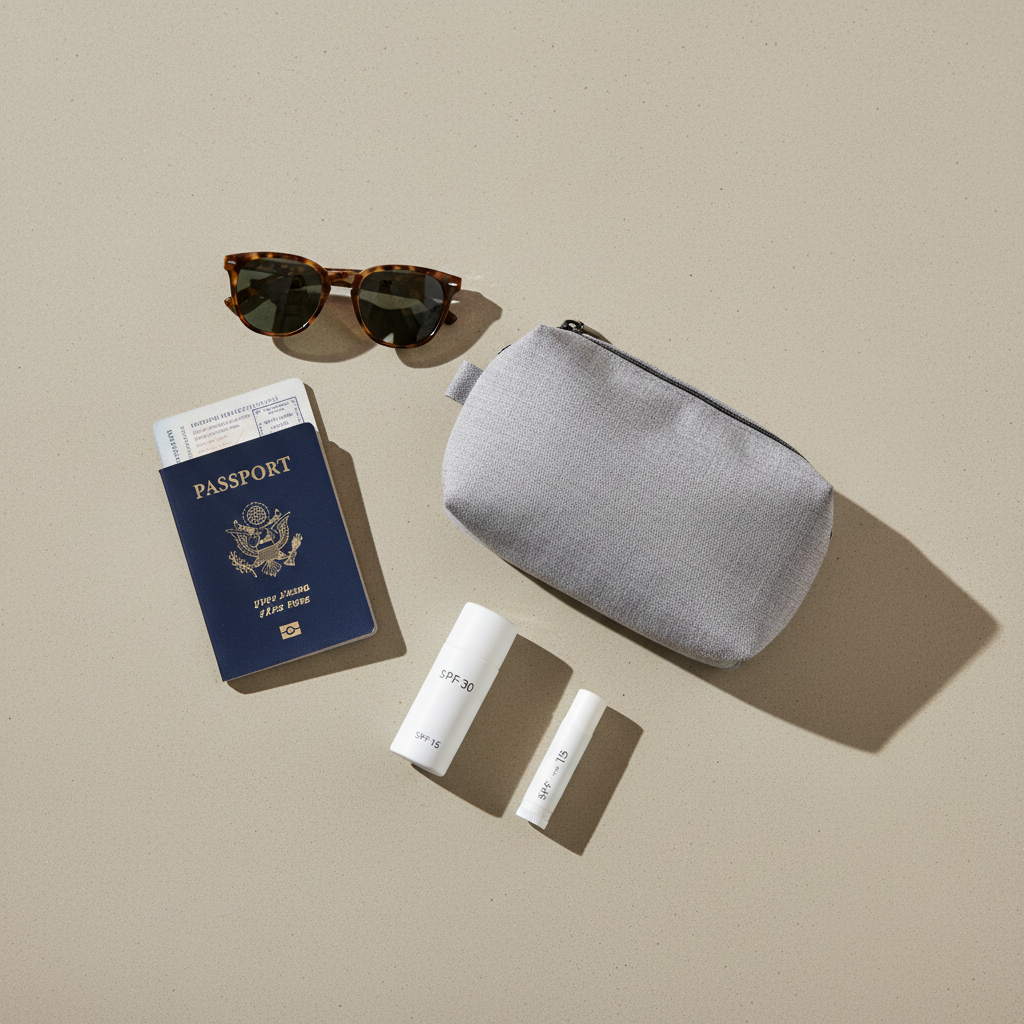
What actually makes a good SPF lip balm for travel
Travel exposes lip balm to pressure changes, heat swings, and repetitive use. So the “best” option usually checks a few unglamorous boxes.
- Broad-spectrum SPF 30+: broad-spectrum helps cover UVA and UVB. For many outdoor trips, SPF 30 is a practical baseline.
- Comfort + staying power: if it feels greasy or tastes odd, you stop reapplying, and SPF without reapplication is wishful thinking.
- Packaging that won’t leak: twist-up tubes and well-sealed sticks travel better than soft squeeze tubes in many bags.
- Works with your routine: if you wear lipstick, you may want a clear base balm; if you hike, a thicker balm matters more than shine.
- Sensitivity-friendly options: fragrance, flavor, and some UV filters can irritate certain people, patch testing is smart when you can.
According to the U.S. Food and Drug Administration (FDA), sunscreen products labeled “broad spectrum” and “SPF 15 or higher” help reduce risk of skin cancer and early skin aging when used as directed, and lips count as skin that can burn too.
Quick pick table: best options by travel scenario (2026)
You don’t need 20 tubes. You need one that matches where you’re going and how you travel. Here’s a practical, scenario-first table you can screenshot.
| Scenario | What to look for | Why it matters | Good fit if you… |
|---|---|---|---|
| Beach, pool, boating | Broad-spectrum SPF 30+, water-resistant claim, thicker texture | Salt, water, drinks, and wind remove balm fast | Reapply often and want fewer “bare lip” moments |
| High altitude (ski, mountains) | SPF 30+, wind-barrier feel, minimal fragrance | UV can be more intense, lips crack faster | Get chapped easily in cold air |
| City travel + daily walking | Comfortable, non-shiny, layers under lipstick | Ease of use drives consistency | Want “apply and forget” between meals |
| Hot climates (desert, summer heat) | Stick format, higher melting stability, no messy oils | Soft formulas can liquefy in pockets or cars | Leave products in backpacks or glove boxes |
| Ultra-sensitive lips | Fragrance-free, simple ingredient list, mineral filters may help | Irritation makes you stop using SPF products | React to flavors, essential oils, or some sunscreens |
One note: “water-resistant” on a lip product still doesn’t mean all-day. It usually means you can go longer between reapplications, not skip them.
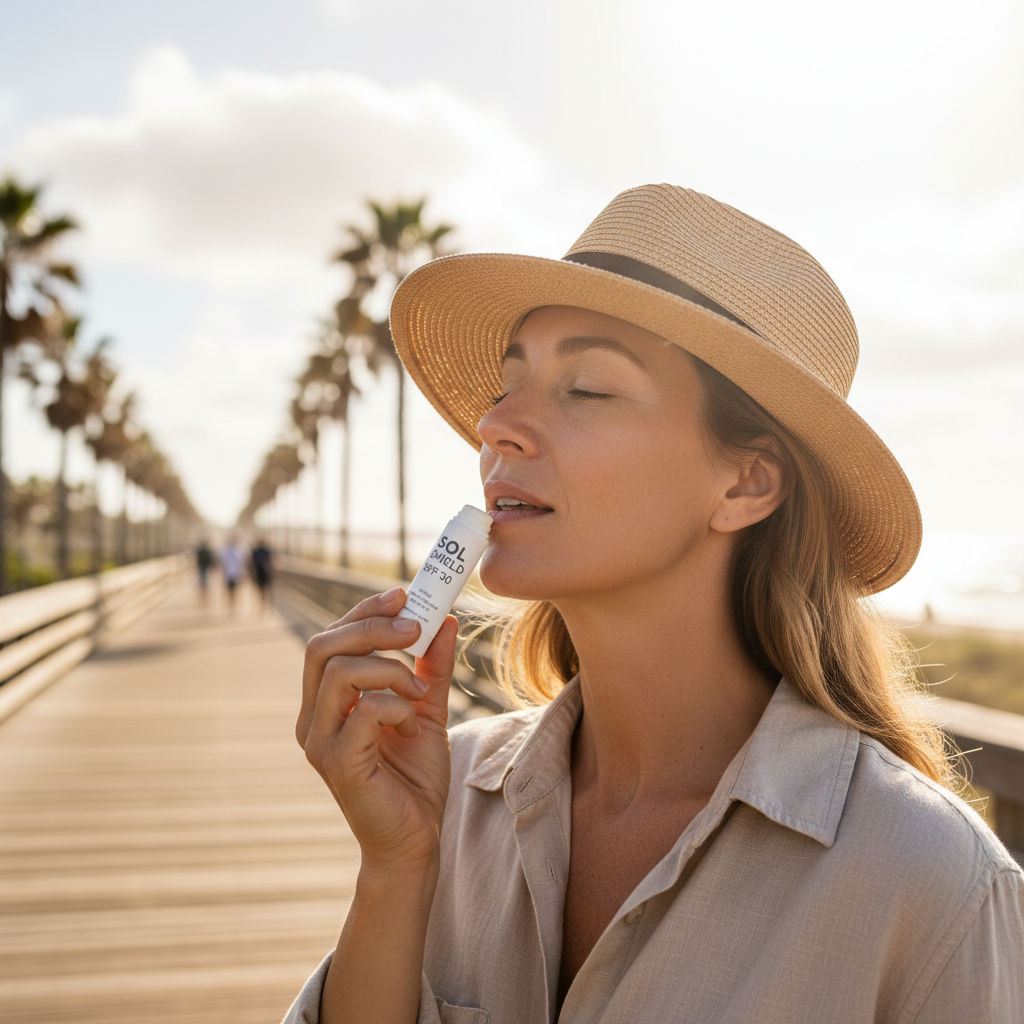
How to read an SPF lip balm label without overthinking
Label language can feel like a maze, but a few terms carry most of the value.
Broad-spectrum vs. not
Broad-spectrum means the formula covers UVA and UVB. UVB is the classic burn, UVA contributes to longer-term damage. For a best travel lip balm with spf pick, broad-spectrum is usually non-negotiable.
SPF number: 15, 30, 50
Higher SPF can help, but only if you reapply enough product. Many people swipe once and call it done, which often under-delivers in real life. If SPF 50 feels waxy and you hate it, SPF 30 you’ll actually use may win.
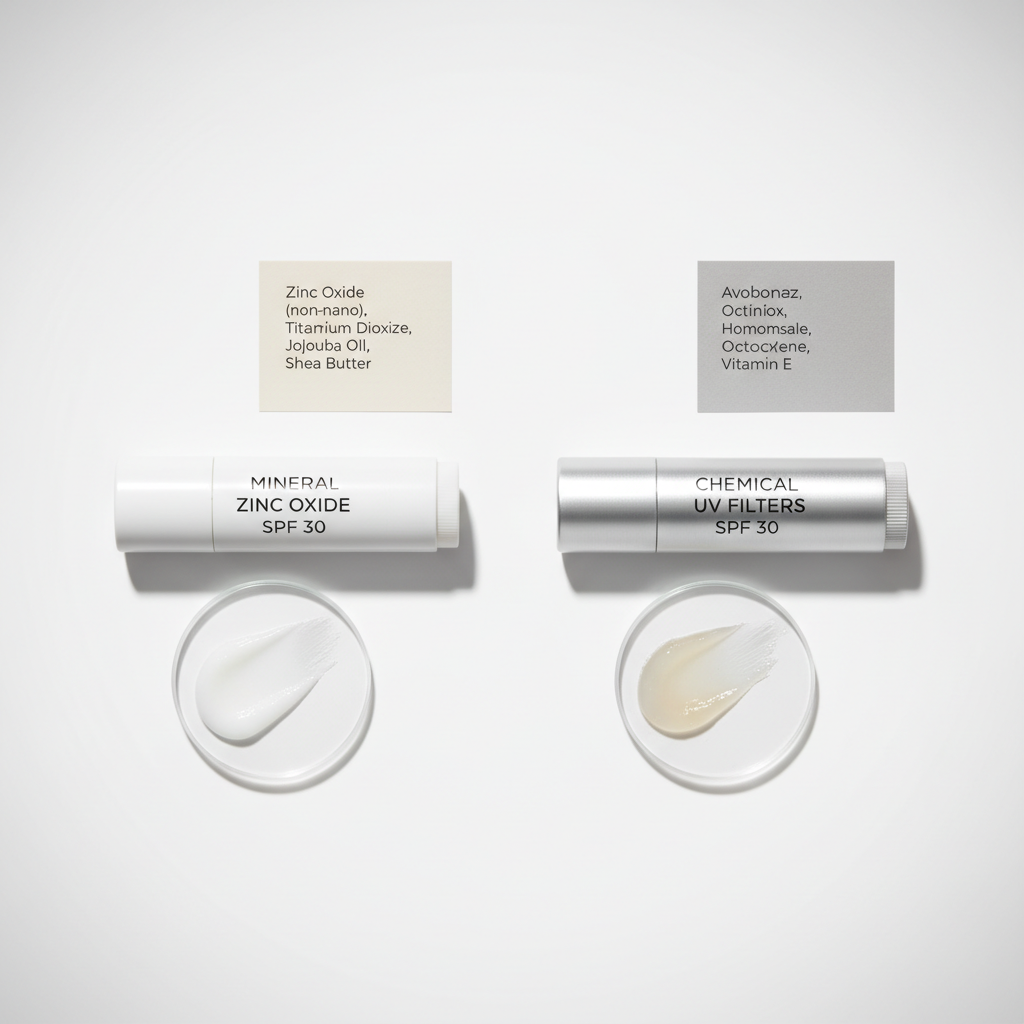
Active filters: mineral vs. chemical
- Mineral filters (zinc oxide, titanium dioxide) sit on top of skin, often better tolerated by some sensitive users, but can feel thicker or leave a pale cast on deeper lip tones.
- Organic filters (often called “chemical”) tend to feel lighter and clearer, but some people dislike the taste or get irritation.
If you’ve reacted before, it’s reasonable to test at home for a few days before relying on it during a trip, and consider asking a dermatologist if reactions are frequent.
Self-check: which SPF lip balm type fits you
This takes 30 seconds and prevents the classic “I bought one, hate it, never use it” outcome.
- I hate reapplying → choose a thicker, more occlusive balm, keep it in an easy-access pocket, and set a simple cadence (see below).
- I drink coffee or sparkling water all day → pick a balm that grips, not a slippery oil, and expect reapplication after cups.
- I’m outdoors around reflective surfaces (water, snow, sand) → prioritize broad-spectrum SPF 30+ and a formula you can reapply without a mirror.
- My lips peel or sting easily → avoid heavy fragrance/flavor, consider a simpler formula, and skip “tingle/plump” claims.
- I travel in heat → stick format, sturdy cap, and a formula that doesn’t melt into the cap in a hot car.
If you checked multiple boxes, pick based on the harshest condition you’ll face on the trip, not your home routine.
Real-world application rules (this is where SPF succeeds or fails)
Even the best travel lip balm with spf underperforms if application is too light or too rare. Lip products get eaten, wiped, and evaporated faster than face sunscreen.
- Apply before exposure: put it on before you step outside, not once you “feel sun.”
- Reapply every ~2 hours outdoors: more often after swimming, eating, heavy drinking, or wiping your mouth.
- Use enough product: a quick tap rarely covers evenly, a few firm swipes usually works better.
- Pair with shade tactics: hats, staying under umbrellas, and avoiding midday sun help a lot, especially for long days outside.
According to the American Academy of Dermatology (AAD), sunscreen should be reapplied about every two hours, and after swimming or sweating. Lip SPF fits that same common-sense rhythm.
Packing tips that prevent melting, leaking, and losing your balm
These are small habits, but they save your bag and your patience.
- Keep one “body balm” and one “bag balm”: one lives in toiletries, one in daypack or jacket, less rummaging means more reapplication.
- Avoid leaving it in cars: heat spikes fast and can soften sticks, then the cap becomes a mess.
- Use a mini pouch: especially for squeeze tubes, a small zip pouch contains leaks.
- Cold-weather trick: in freezing temps, warm the balm in your hands for a few seconds so you don’t drag it across lips.
- Don’t share: it sounds uptight, but shared balm spreads germs easily on trips.
If you fly a lot, consider a formula you like without flavor. Tastes amplify in dry cabin air, and that alone can kill consistency.
Common mistakes (and what to do instead)
Most “SPF lip balm didn’t work” stories are predictable.
- Mistake: Using it once in the morning
Fix: treat it like sunscreen, bring it out after lunch and mid-afternoon. - Mistake: Relying on glossy lipstick as SPF
Fix: if you want SPF, use a product that clearly states SPF and broad-spectrum, then layer color on top if it wears well. - Mistake: Choosing minty/tingly formulas on already-chapped lips
Fix: go bland and soothing until your lips calm down. - Mistake: Ignoring corners and upper lip edge
Fix: one extra swipe around edges, sun hits there more than you think. - Mistake: Assuming higher SPF means you can reapply less
Fix: reapplication still matters because the product physically disappears.
If you’re prone to cold sores or persistent cracking, sun and wind can be triggers for some people, so staying consistent with SPF and moisture may help, but it’s not medical care.
When it’s worth asking a professional
Dry lips are common while traveling, but a few patterns deserve more attention.
- Cracks at the corners that keep returning, which can be irritation, infection, or nutritional issues in some cases
- Burning, swelling, or rash after using SPF products, which may be contact dermatitis
- Repeated sunburn on lips even with frequent reapplication
- Any spot that bleeds, won’t heal, or changes over time
In those cases, consider checking with a dermatologist or other qualified clinician, especially if symptoms persist or worsen. Lip skin is thin and problems can linger longer than people expect.
Conclusion: a simple way to choose your 2026 travel lip SPF
If you want one decision rule, pick a broad-spectrum SPF 30 balm you genuinely enjoy using, in packaging that survives your bag, then commit to reapplying the way you already do with sunscreen.
For most trips, start with one daily-carry stick and one backup in toiletries, then adjust after your first day outside. If you’re still shopping, use the scenario table above and choose for the harshest condition on your itinerary, not your most comfortable one.
If you need a more curated shortlist, tell me your trip type, your sensitivity triggers, and whether you prefer mineral or non-mineral filters, and I’ll narrow it down fast.