
Best Mexico Travel Guide 2026: Practical Planning for Americans
Best travel guide for mexico 2026 usually means one thing: you want a trip that feels easy on the ground, not just pretty on Pinterest. Mexico can be simple and affordable, but only if you match the right destinations to your travel style, season, and comfort level.
A lot of first drafts fail for predictable reasons, choosing one “must-see” spot even though it doesn’t fit your pace, underestimating travel time, or treating Mexico like one single experience when it’s really many different trips stitched together.
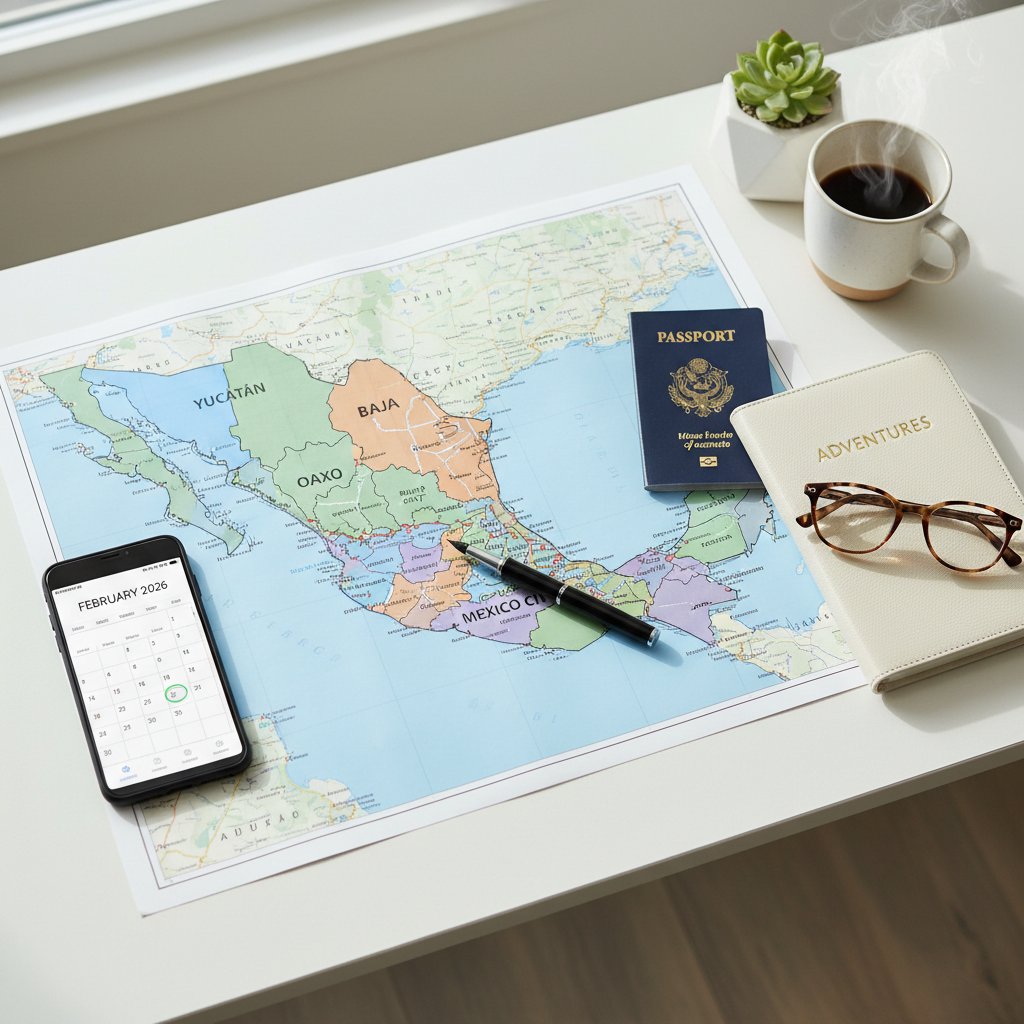
This guide focuses on decisions that actually move the needle, where to go, when to go, how to build a realistic route, what to book early, and what to keep flexible. You’ll also find a quick self-check, a planning table, and a few safety and health notes that stay practical without spiraling into fear.
What “best” means for Mexico in 2026 (and how to choose fast)
There isn’t one best Mexico itinerary, but there is a best fit for your week and your tolerance for heat, crowds, driving, and logistics. When people say best travel guide for mexico 2026, they often want a shortcut to avoid planning fatigue.
Use these filters before you pick any city:
- Trip mood: beach reset, food and culture, nature and wildlife, or a bit of everything.
- Time on the ground: Mexico rewards slower travel, if you only have 5–7 days, limit to 1–2 bases.
- Comfort with transit: nonstop flight + rideshares feels different than long bus days or rental-car loops.
- Weather tolerance: humidity and hurricane season planning matters, as does altitude in central Mexico.
- Food goals: street food adventures versus a more conservative approach (both are valid).
Key takeaway: your first decision should be “region + season,” not “top 10 attractions.”
Where to go: high-confidence regions Americans keep choosing
Mexico is huge, and “safe vs unsafe” is too blunt to be useful. In many cases, travelers do best by choosing areas with strong tourism infrastructure, straightforward transport, and accommodations that match their comfort level.
Mexico City (CDMX)
For food, museums, neighborhoods, day trips, and a big-city energy that still feels approachable. Plan for altitude, it can affect sleep and workouts for some travelers.
Yucatán Peninsula (Cancún area, Playa del Carmen, Tulum, Mérida)
Best for beaches, cenotes, and ruins with easy logistics. Expect higher prices in the most popular zones, especially peak season.
Oaxaca (city + coast)
A favorite for cuisine, crafts, mezcal culture, and festivals. The coast can be stunning, but travel times can surprise people, especially if you try to combine too much in one week.
Baja California Sur (Cabo, La Paz, Todos Santos)
Strong for beach time, water activities, and road-trip style pacing. Whale-related tours depend on season and operators, look for reputable providers.
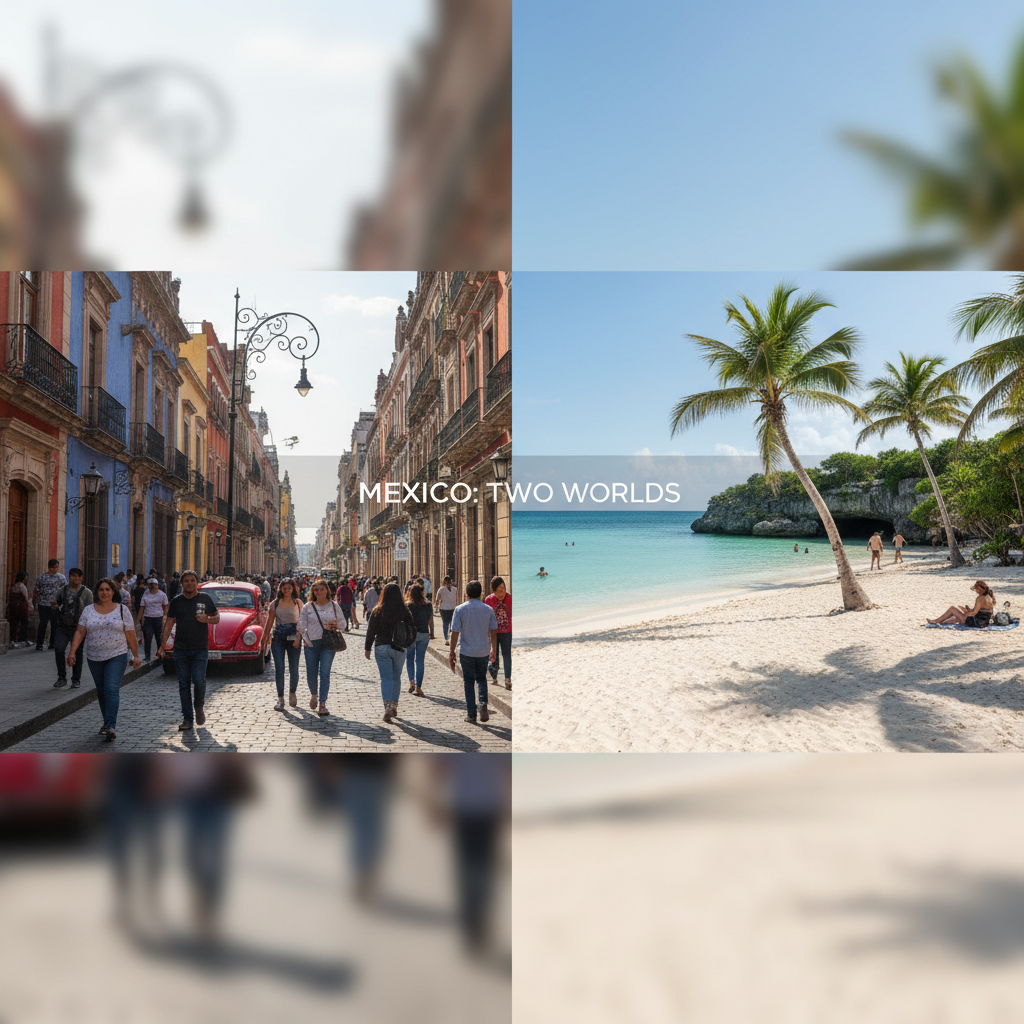
If you’re stuck, pick one “anchor” and build around it, CDMX for culture, Yucatán for easy beach logistics, Oaxaca for food and traditions, Baja for laid-back coastline.
When to go in 2026: seasonality without the panic
Timing shapes your experience more than most people expect. Heat, rain, and crowd density can change how “worth it” a destination feels.
- Winter (Dec–Feb): typically popular for beach regions and mild weather, prices can run higher and availability tight.
- Spring (Mar–May): often a sweet spot for many areas, though spring break crowds can spike in certain places.
- Summer (Jun–Aug): hotter and, in some regions, wetter, but you may find better deals if you plan smart.
- Hurricane season (Atlantic side, roughly Jun–Nov): risk varies by week and location, travel insurance and flexible booking help.
According to the U.S. Department of State, travelers should review current advisories before departure and stay aware of local conditions. That’s not a reason to cancel automatically, it’s a reason to plan with your eyes open.
A simple itinerary builder (with a table you can copy)
A reliable way to avoid overplanning is to choose one base, add one or two day trips, and leave breathing room. Even in a best travel guide for mexico 2026, the “best” schedule is usually the one that doesn’t exhaust you.
Planning table: match trip length to structure
| Trip length | Recommended bases | Typical pace | Good matches |
|---|---|---|---|
| 4–5 days | 1 base | Neighborhood focus + 1 day trip | CDMX, Mérida, Cabo, Oaxaca City |
| 6–8 days | 1–2 bases | City + nature, or beach + ruins | CDMX + Puebla, Mérida + cenotes, Oaxaca City + coast |
| 9–12 days | 2–3 bases | More variety, more transit | CDMX + Oaxaca, Baja road trip, Yucatán loop |
Rule of thumb: if moving hotels costs you half a day, that move needs to earn its keep.
Practical booking plan: what to reserve early vs keep flexible
Mexico travel planning gets calmer once you separate “must book” from “nice to decide later.” This is where many people burn time comparing dozens of options that barely differ.
- Book early: nonstop flights, high-demand boutique hotels, popular food tastings, and a few top tours in peak weeks.
- Flexible: most restaurant plans, extra beach days, smaller museums, and neighborhood wandering.
- Be cautious: prepaid packages that lock you into a rigid schedule, especially if weather could disrupt plans.
For transportation choices, do what feels boring but reliable. In cities, rideshare and official taxis can be simpler than driving. For longer distances, consider flights or reputable bus lines depending on the route and your comfort level.
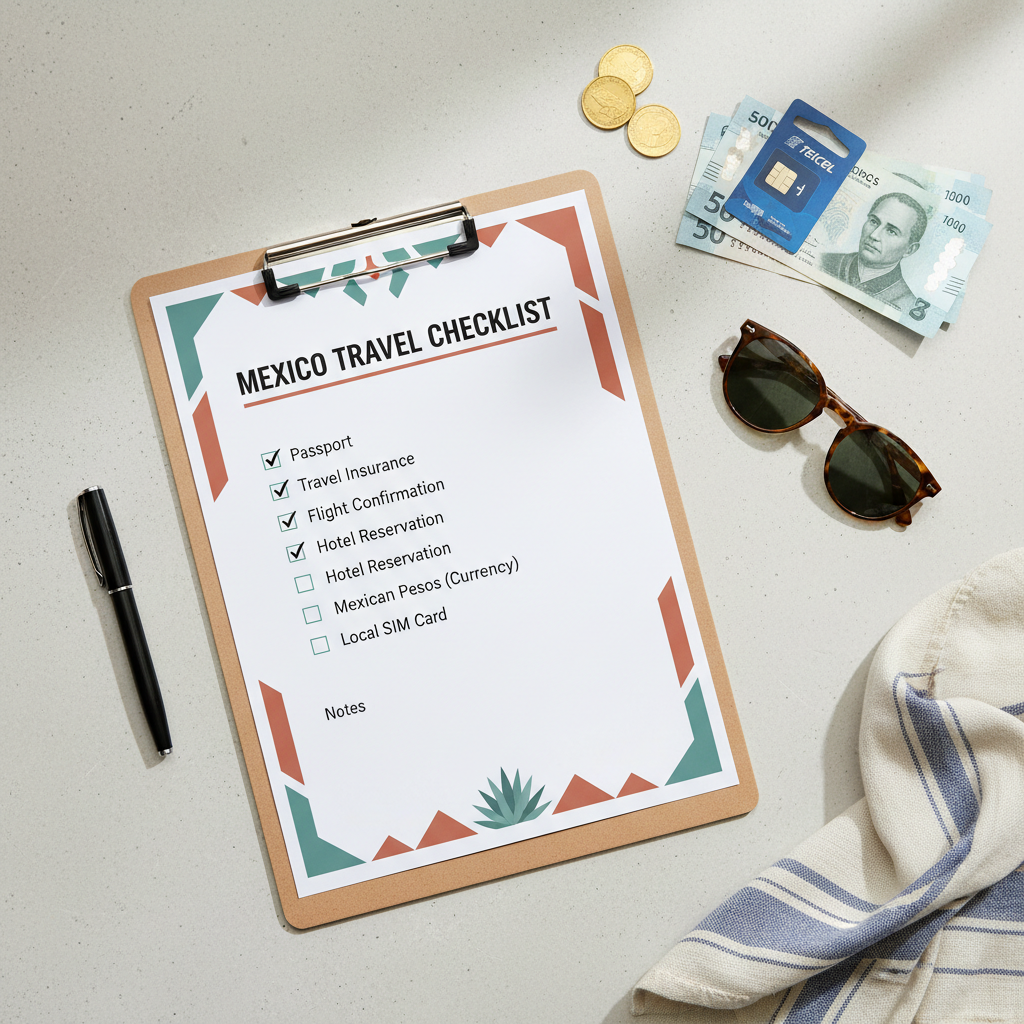
Key point: lock the skeleton of the trip, then leave space for mood and weather.
Safety, health, and money: realistic habits that reduce risk
Most trips go smoothly, but good habits prevent the annoying stuff, lost time, unexpected fees, or stomach issues that derail plans. If you’re reading a best travel guide for mexico 2026, you likely want “calm confidence,” not a scare list.
Street smarts that travel well
- Use ATMs in well-lit, higher-traffic areas, and consider withdrawing fewer times with a plan.
- Keep a backup card and a photo of key documents stored securely.
- At night, choose transportation that feels predictable, especially in unfamiliar areas.
Food and water basics (without ruining the fun)
- Pick busy vendors with high turnover, it often correlates with freshness.
- If you have a sensitive stomach, ease in, and consider avoiding ice or unfiltered water in some areas.
- If you have medical conditions or special dietary needs, it’s smart to consult a healthcare professional before travel.
Money and tipping expectations
Tipping customs vary by context and region. When in doubt, ask at your hotel or check what locals do in that setting, it’s more accurate than generic rules. Keep small bills for convenience.
According to the CDC, travelers should review destination-specific health notices and routine vaccine guidance before international trips. That’s especially relevant if your itinerary includes remote areas or lots of outdoor activities.
Quick self-check: are you planning the right kind of Mexico trip?
This checklist helps you spot mismatch early, which saves money and stress.
- You’ll enjoy CDMX if you like walking neighborhoods, markets, museums, and day trips, and you don’t mind city noise.
- You’ll enjoy Yucatán if you want easy beach logistics, cenotes, and ruins with many tour options.
- You’ll enjoy Oaxaca if food is the main event and you’re okay with slower transit between spots.
- You’ll enjoy Baja if you want a relaxed pace, coastal scenery, and water activities.
- You should simplify if your draft itinerary has more than two long travel days in a 7-day trip.
Conclusion: the simplest way to make Mexico feel “easy” in 2026
The travel plans that age well are the ones built around one strong region choice, realistic transit, and just enough structure to keep options open. If you only do two things this week, pick your season and anchor destination, then book flights and your first few nights so the rest of the plan can breathe.
If you want, take your rough dates and list two destinations you’re torn between, then compare them using comfort with transit and weather tolerance. That small step usually clarifies everything.
FAQ
What is the best travel guide for mexico 2026 if I only have 5 days?
Keep it to one base and one day trip. CDMX works well for a culture-heavy short trip, while parts of Yucatán can work for a beach-first reset with minimal planning friction.
Is Mexico safe for Americans in 2026?
Safety depends on the region, neighborhood, and how you move around. According to the U.S. Department of State, you should check current advisories and plan accordingly, then use common travel habits that reduce exposure to risk.
How much time should I spend in Mexico City vs the beach?
If it’s your first trip and you like variety, a split can work, but don’t force it into a short week. Many travelers prefer 4–5 nights in CDMX or 5–7 nights in a beach area rather than bouncing between both.
Do I need to rent a car in Mexico?
Not necessarily. In major cities and resort areas, rideshare, taxis, and organized tours can be simpler. A rental car can shine in regions built for road trips, but only if you’re comfortable with driving norms and parking.
What should I book first for a Mexico trip in 2026?
Flights and the first hotel block usually matter most, especially during popular holiday weeks. After that, reserve only the experiences you’d genuinely regret missing, everything else can stay flexible.
What are common itinerary mistakes people make in Mexico?
Overpacking destinations, underestimating travel time, and choosing a place for hype rather than fit. Heat, altitude, and long transfers can quietly drain a trip even when the “attractions” look perfect.
Is travel insurance worth it for Mexico in 2026?
It depends on your risk tolerance and what you prepay. If your trip sits in a weather-sensitive season or you’re booking nonrefundable pieces, insurance can be a reasonable safety net, just read coverage details carefully.
If you’re planning Mexico for 2026 and you’d rather not stitch everything together yourself, a curated shortlist of region-matched itineraries, booking priorities, and “what to skip” notes can save hours and reduce second-guessing.