
Short haul flight tips matter because short flights often feel oddly harder than long-haul: tight turnarounds, full bins, little time to settle, and you still want to land looking normal. The good news is you don’t need fancy gear or a first-class ticket to feel better on a 60–180 minute hop.
Most discomfort comes from a few predictable causes: rushed boarding, dehydration, poor seat choices, and carrying the wrong “just in case” items. If you fix those, the rest gets easier fast.
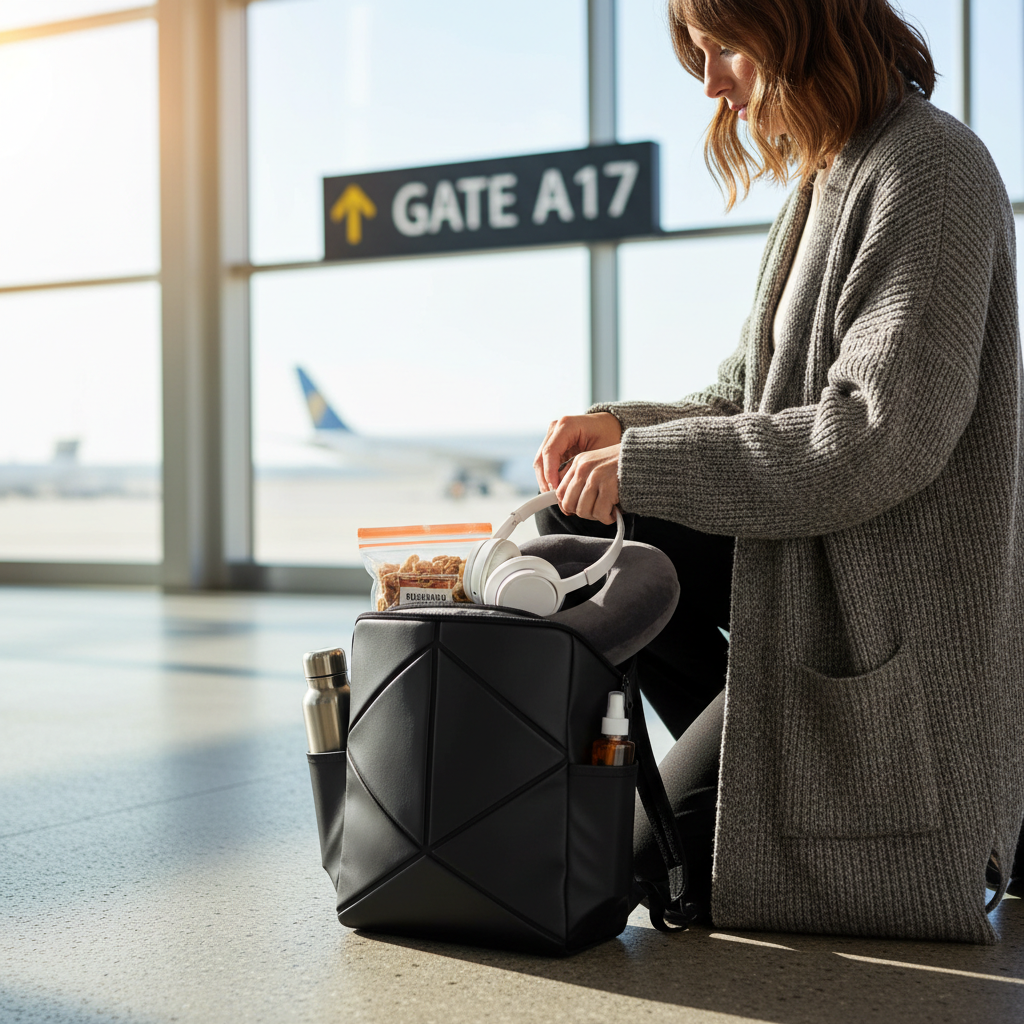
This guide focuses on what actually changes comfort on short routes: what to pack in your seat-access kit, how to reduce “seat pain,” and small habits that cut stress. You’ll also get a quick checklist and a simple table you can copy into your notes app.
Why short flights can feel more exhausting than expected
Short flights compress the annoying parts of travel into a tight window. You board, stow, settle, and before your body fully relaxes, it’s time to descend again. That constant stop-start is a real energy drain.
- More time on the ground than in the air: taxi, delays, gate holds, and deplaning can add discomfort without the “cruise” break.
- Cabin space pressure: overhead bins fill quickly, so you may end up with items at your feet and less leg room.
- Dehydration sneaks up: you might skip water because the flight is “so short,” then land with a headache.
- Rushed transitions: tight connections raise stress, which makes every minor discomfort feel bigger.
According to the FAA, staying seated with your seat belt fastened whenever you’re in your seat helps protect you from unexpected turbulence. Even on short routes, comfort and safety overlap more than people think.
A quick self-check: what’s making your short flight uncomfortable?
Before buying anything, get specific about the problem. Different discomfort has different fixes, and guessing usually leads to overpacking.
- If your back/hips ache: it’s usually seat posture plus lack of support, not “bad luck.”
- If you feel puffy or headachy: dehydration, salty snacks, or too much alcohol/caffeine tends to be the trigger.
- If you feel claustrophobic: aisle-blocking bags, tight layers, and no airflow at your seat often contribute.
- If boarding stresses you out: your carry-on setup is probably slowing you down.
- If you always arrive cranky: you might be under-fueling, or forcing yourself to “work” when your body wants a reset.
Pick the top two issues you want to solve for your next trip. That keeps the plan realistic.
Pack a “seat kit” so you’re not digging mid-flight
On short routes, the biggest comfort win is having the right items accessible without standing up, opening the bin, or elbowing your seatmate. Think of a small pouch that lives at the top of your personal item.
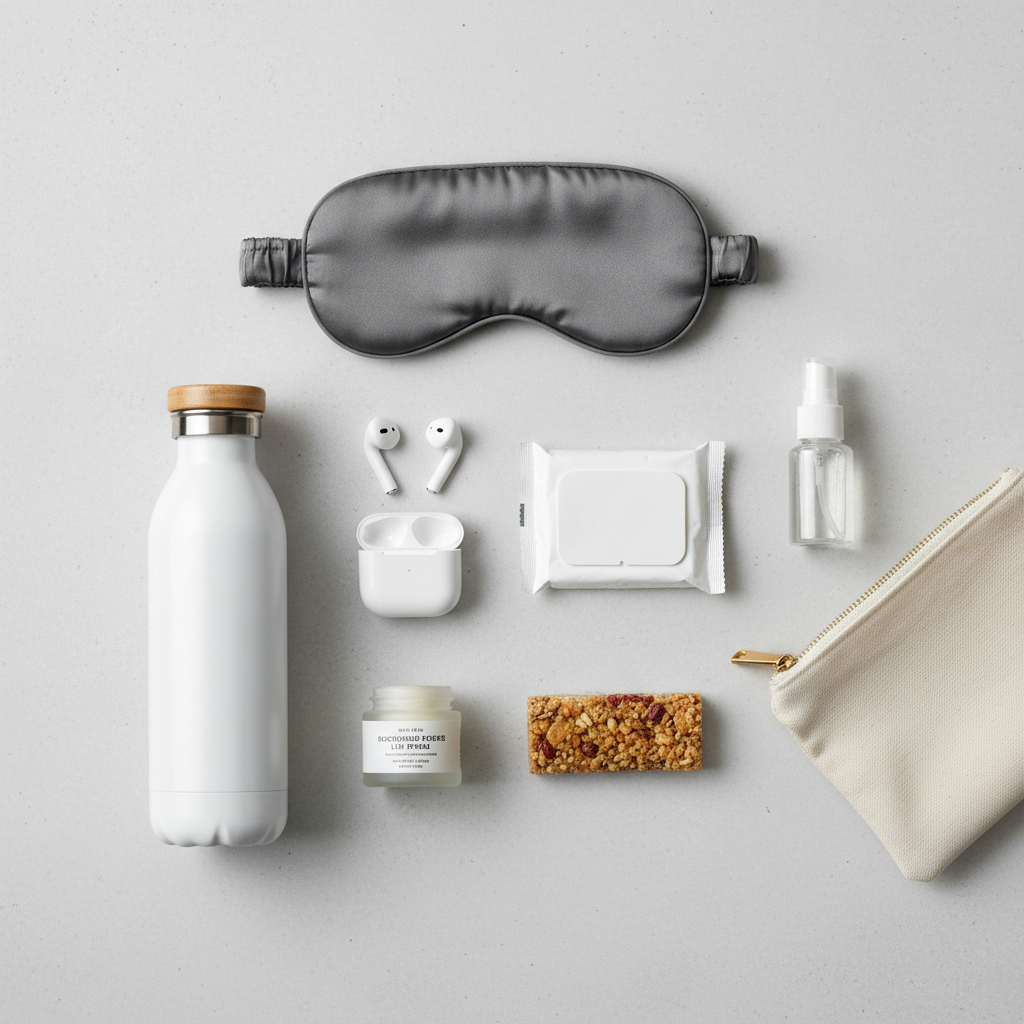
My go-to seat kit for short flights (adjust for your needs):
- Empty water bottle (fill after security) or a sealed bottle if you’re airside already
- One easy snack (protein-forward if you get shaky or irritable)
- Wipes or hand sanitizer
- Gum or mints (helpful for ear pressure for many people)
- Earbuds or noise-canceling headphones
- Lip balm + moisturizer stick (cabin air can feel drying)
- A small power bank and short cable
If you’re traveling with medication, keep it in your personal item, not the overhead. For any medical concerns, it’s smart to ask a clinician what’s appropriate for your situation, especially if you fly often.
Mini table: short-flight comfort fixes by problem
| Comfort problem | Likely cause | Quick fix that works on short flights |
|---|---|---|
| Legs feel cramped | Bag under seat, poor posture | Use a slimmer personal item, keep feet area clear, do ankle circles |
| Headache / “dry” feeling | Low fluids, caffeine, salty food | Drink water before boarding, bring a small bottle, go easy on alcohol |
| Ear pressure | Fast ascent/descent changes | Swallow, yawn, gum during descent; consider filtered earplugs if helpful |
| Back/neck stiffness | Unsupported posture | Roll jacket as lumbar support, relax shoulders, avoid chin-forward scrolling |
| Stress during boarding | Disorganized bag, tight connection | Seat kit on top, essentials in one pocket, choose smaller carry-on when possible |
Choose seats and boarding strategy like a regular traveler, not a gambler
A lot of “bad flights” start with a seat you tolerated because it was cheaper. Sometimes that tradeoff is fine, but for frequent short trips, small seat choices add up.
- Aisle seat: best if you hate feeling boxed in, or want easy bathroom access.
- Window seat: best if you want to lean and rest without being bumped.
- Exit row/bulkhead: more leg room in many cases, but check tradeoffs like fixed armrests or no under-seat storage.
If overhead space is a recurring problem, consider boarding earlier when it’s reasonably priced, or simplify to a personal item that fits under the seat. For many people, less “stuff management” is the most underrated comfort upgrade.
Wear layers and shoes that handle temperature swings
Short flights are famous for random cabin temperatures. You might sweat during boarding, then freeze at cruise. Clothing that adjusts easily beats a single heavy piece.
- Top: breathable base layer plus a light sweater or hoodie you can remove fast.
- Bottom: stretch fabric that doesn’t pinch when seated.
- Shoes: easy on/off for security, but stable enough for fast walking in terminals.
- Optional: compression socks can help some travelers with swelling, but comfort varies by person.
According to the CDC, moving around when possible and doing simple leg exercises while seated can help reduce the risk of blood clots during travel. If you have risk factors or a history of clots, it’s worth consulting a medical professional before frequent flying.
Use micro-moves and posture resets (yes, even in economy)
The seat itself might not change, but how you sit can. On short routes, you don’t need a full stretching routine, you need small resets that prevent stiffness.
- Feet flat when possible, avoid perching on the edge of the seat.
- Shoulders down, unclench jaw, especially if you’re working on a laptop.
- Ankle circles and calf flexes every 10–15 minutes when awake.
- Neck: look forward more than down; endless phone scrolling usually triggers neck strain.
If you’re prone to low back discomfort, try a simple trick: roll a jacket or scarf and place it at your lower back for support. It’s not magic, but it often helps within minutes.
Food, hydration, and caffeine: keep it boring and consistent
Short flights rarely provide enough time for real service, so plan like you won’t get anything. Your goal is steady energy, not a “treat yourself” rollercoaster.
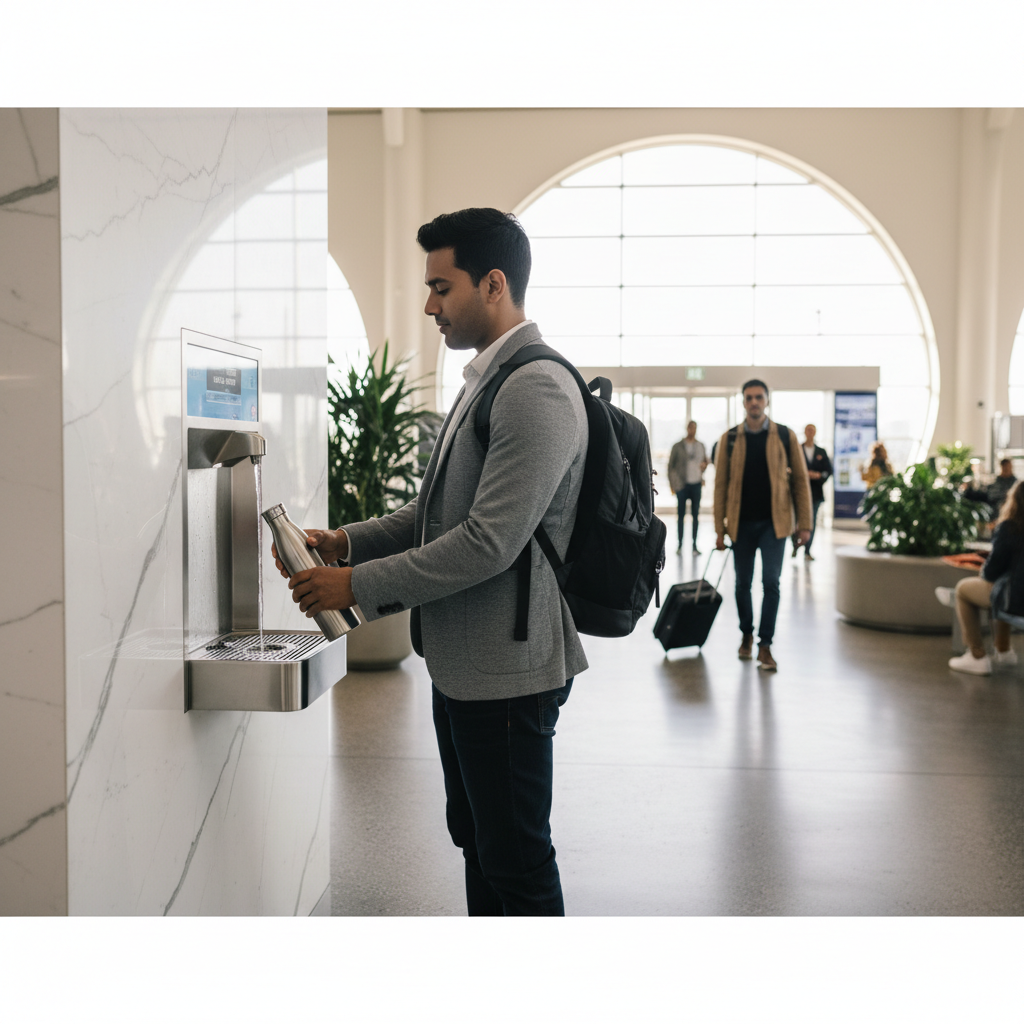
- Hydrate early: drink water before boarding so you’re not relying on service timing.
- Snack smart: something with protein or fiber usually travels better than pure sugar.
- Caffeine: if you’re sensitive, keep it modest; jitters plus a cramped seat feels worse.
- Alcohol: can worsen dehydration for many people, so consider skipping it on quick hops.
According to the FDA, staying aware of what you consume, especially if you mix supplements or medications with caffeine or alcohol, is important for safety. If you take prescription meds, ask your pharmacist about interactions that might matter while traveling.
Practical short haul flight tips you can apply on your next trip
If you want a simple plan, use this sequence. It’s designed for the real world, where you might be running from a meeting or juggling a family trip.
- Night before: set out layers, charge devices, pack a seat kit on top of your personal item.
- Airport: fill your bottle, buy one reliable snack, use the restroom even if you “don’t need to yet.”
- Boarding: stow efficiently, keep floor space clear, buckle in and set up what you’ll use.
- In air: micro-moves, sip water, keep your shoulders relaxed.
- Landing: stand slowly, re-check pockets and seat area so you don’t leave essentials behind.
Key takeaway: the best short haul flight tips are the ones that reduce friction, not the ones that add gear.
Common mistakes that quietly ruin comfort
- Overpacking carry-ons: a bulging bag steals leg room and increases stress during boarding.
- Waiting to hydrate until you feel thirsty: thirst often shows up after you’re already behind.
- Buying “airport food roulette”: heavy, salty meals can leave you sluggish on arrival.
- Assuming you’ll sleep: many people can’t truly nap on short flights, plan for rest later.
- Ignoring anxiety triggers: if turbulence scares you, lining up distractions in advance helps.
If you experience severe anxiety, panic symptoms, or medical issues during flights, it may be worth seeking professional help before your next trip. A clinician can suggest strategies tailored to your health history.
Conclusion: land feeling normal, not wrung out
Comfort on quick routes comes from a few steady habits: a tidy seat kit, smarter hydration, reasonable layers, and small posture resets. Add a seat choice that matches your stress points, and short trips stop feeling like endurance tests.
If you want one action to take today, build a dedicated pouch for your essentials, and keep it packed between trips. Then, on your next flight, apply these short haul flight tips as a checklist instead of improvising at the gate.
FAQ
What should I pack for a short flight to stay comfortable?
Focus on what you’ll use while seated: water, one snack, wipes, lip balm, headphones, and a charger. A small pouch beats a big “just in case” bag.
Are aisle seats always better for short flights?
Not always. Aisle helps if you want space to stretch a leg or you feel boxed in, but window can be calmer if you want to lean and avoid bumps from passing carts or people.
How can I avoid back pain on a 1–2 hour flight?
Support your lower back with a rolled jacket, keep feet area clear, and avoid hunching over your phone. Small changes usually matter more than a new gadget.
Do I really need to drink water on a quick hop?
Many travelers feel better when they hydrate before boarding, even if the flight is short. If you’re prone to headaches, it’s one of the easiest fixes to test.
What helps with ear pressure during descent?
Swallowing, yawning, and chewing gum help many people. If you have frequent ear issues or pain, consider asking a healthcare professional what’s appropriate for you.
How do I keep overhead bin stress from ruining the flight?
Downsize to a personal item when possible, or board earlier if it’s reasonable. The real trick is having essentials at your seat so bin access stops being urgent.
Can compression socks help on short flights?
They can help some people with swelling, but comfort and need vary. If you have circulation concerns, it’s better to consult a clinician before making it part of your routine.
If you’re trying to make frequent work trips or weekend hops feel easier, a simple travel “system” often beats constant trial and error. If you’d rather not think about it each time, build a repeatable short-flight packing list and keep a ready-to-go seat kit, it’s the closest thing to a low-effort comfort upgrade.