
how to hide money when traveling abroad usually comes down to one idea: don’t keep everything in one place, and don’t store it where a thief expects you to.
If your wallet disappears on day two, the trip turns into phone calls, canceled cards, and a stressful hunt for cash. A little setup before you fly can keep “annoying” from becoming “trip-ruining.”
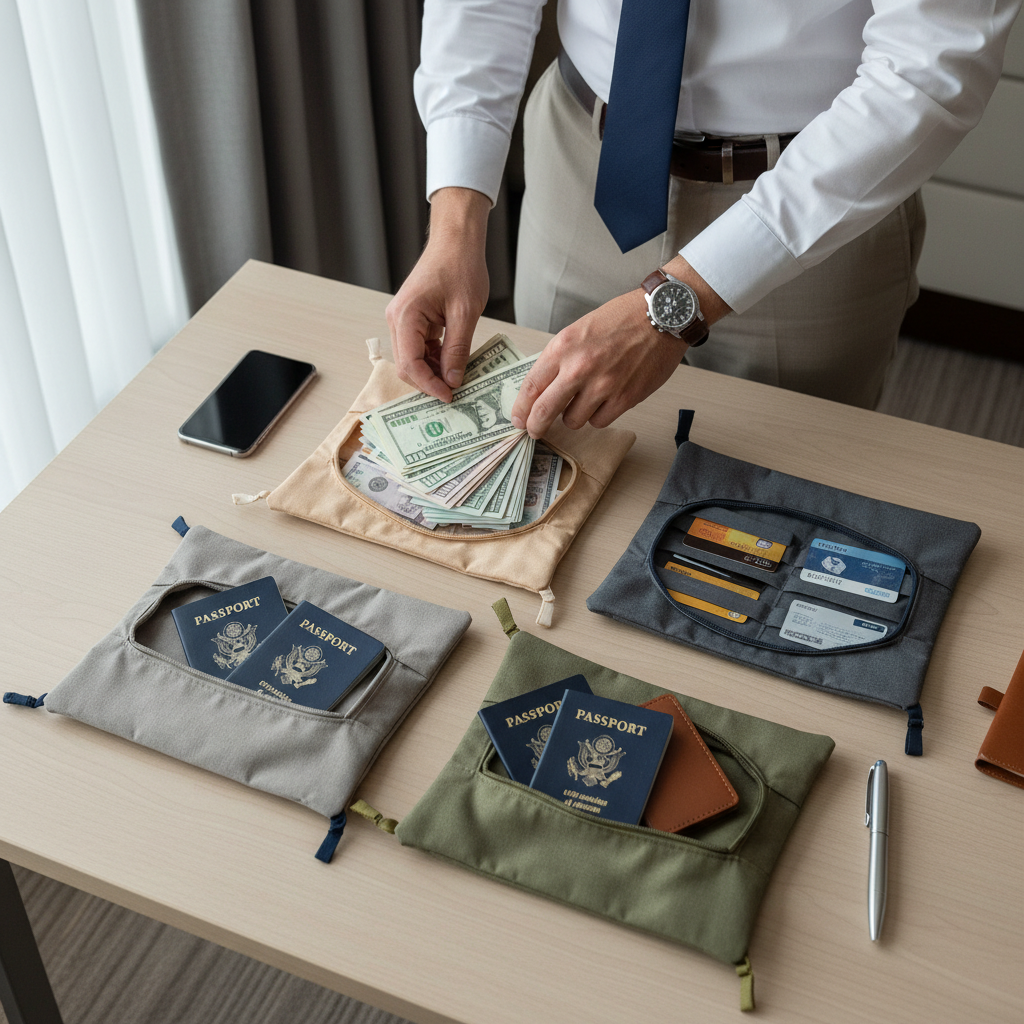
There’s also a line between “smart” and “sketchy.” This guide stays on the practical, legal side: how to carry money discreetly, reduce pickpocket risk, and still access funds fast when you need them.
Start with a realistic threat model (what actually goes wrong)
Most travelers don’t lose money to movie-style break-ins, they lose it to simple moments: a bag on the back of a chair, a crowded metro, a rushed checkout, a hotel room with too many people in and out.
- Pickpocketing and bag snatches in dense tourist areas
- Wallet loss from fatigue, alcohol, or constant transit days
- Room access risk in shared lodging or poorly managed housekeeping
- Card problems like fraud blocks, offline terminals, or damaged mag-stripes
According to U.S. Department of State travel guidance, travelers should plan for theft and keep backups of key items. That advice sounds basic, but it’s exactly what “hiding money” should support: backups, not paranoia.
Quick self-check: which setup fits your trip?
If you match the situation, use the matching strategy. This avoids overcomplicating things and carrying weird gear you won’t actually use.
- City-hopping with trains/metros: prioritize on-body storage and fast access
- Beach or nightlife heavy: plan for minimal carry and controlled cash
- Family travel: distribute funds across adults, agree on “emergency stash” rules
- Long stays/remote areas: add redundancy for ATM outages and card declines
If you’re thinking “I’ll just use Apple Pay everywhere,” you might get lucky, but many places still run cash or chip-only systems, and some terminals don’t love foreign cards.
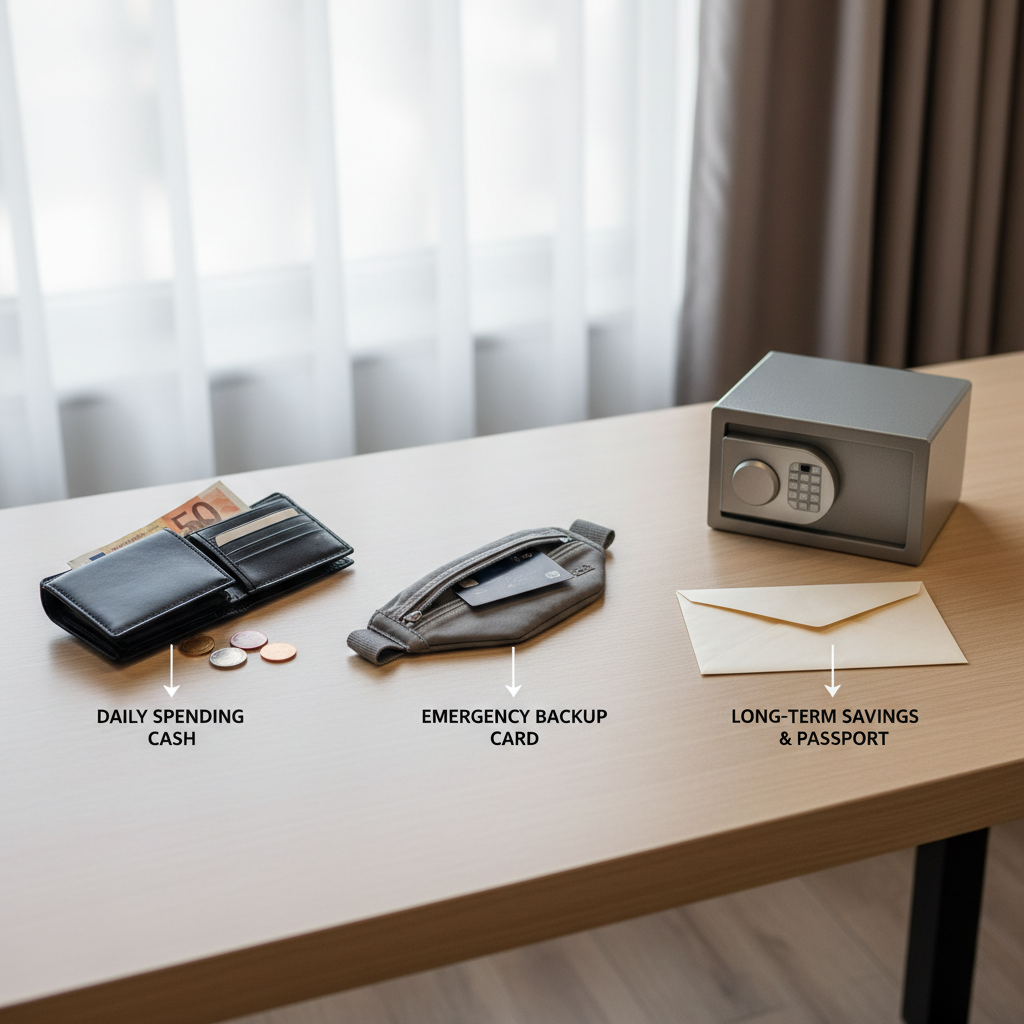
The core rule: split money into 3 layers (carry, backup, deep backup)
When people ask how to hide money when traveling abroad, they usually mean “where do I put my cash.” The better answer is a system, not a hiding spot.
Layer 1: Daily carry is what you can afford to lose, and what you need for the next few hours.
- Small amount of local currency
- One payment card
- Transit card or small ID as needed
Layer 2: Backup stays on your body but separate from your wallet, so a single theft doesn’t wipe you out.
- Second card stored away from your main pocket
- Extra cash in small bills
Layer 3: Deep backup is for “everything went sideways.” It should take effort to access, even for you.
- Emergency cash (often USD or EUR can help, depends on destination)
- Spare card sealed in an envelope
- Photocopies or secure digital copies of documents
Where to keep money (good options, and what to avoid)
On-body storage that actually works
If you’re in crowded areas, on-body storage beats bags. The point is not “invisible,” it’s “not easy to grab.”
- Money belt or hidden waist pouch under clothes for backup cash and a spare card
- Neck pouch under a shirt if you’re wearing layers, less comfortable in heat
- Front pockets with a zipper for daily carry, still keep it minimal
- Inner jacket pocket in cooler climates, works best when the jacket stays on
Bag-based options (fine, if you’re disciplined)
- Crossbody bag worn in front with zippers closed, hand on it in crowds
- Anti-theft daypack for cameras and water, not for your entire budget
Common “hiding spots” that backfire
These aren’t automatically wrong, but they often fail because they’re predictable or easy to forget.
- Wallet-only strategy (one grab, game over)
- Back pocket in busy areas
- Loose cash in backpack outer pockets
- Suitcase stash without a plan for room access or theft
- Shoes for daily use, uncomfortable and easy to lose track of
Hotels, rentals, hostels: safer ways to store backup money
Room storage is where many travelers get inconsistent. Some people trust every safe, others trust none. Realistically, it depends on the property and your risk tolerance.
- Hotel safe: useful for deep backup, but don’t treat it as a vault; keep the amount reasonable
- Locked luggage: better than open bags, still not theft-proof
- Split storage: keep part in the safe, part hidden in an uninteresting toiletry kit
According to U.S. Department of State guidance, keeping valuables secure and limiting what you carry reduces loss impact. In practice, that means you should be comfortable walking out with only daily carry, while deep backup stays put.
Practical step-by-step setup (15 minutes before you leave)
This is the routine I wish more travelers used, because it avoids overthinking and still covers the ugly scenarios.
- Decide your daily cash limit (enough for meals, transit, small tips, plus a cushion).
- Pick one “go-to” card and one spare card, keep them in separate layers.
- Break cash into small bundles and place them across your layers.
- Write down emergency numbers for your banks and keep them offline too.
- Set a simple rule: never open your deep backup in public.
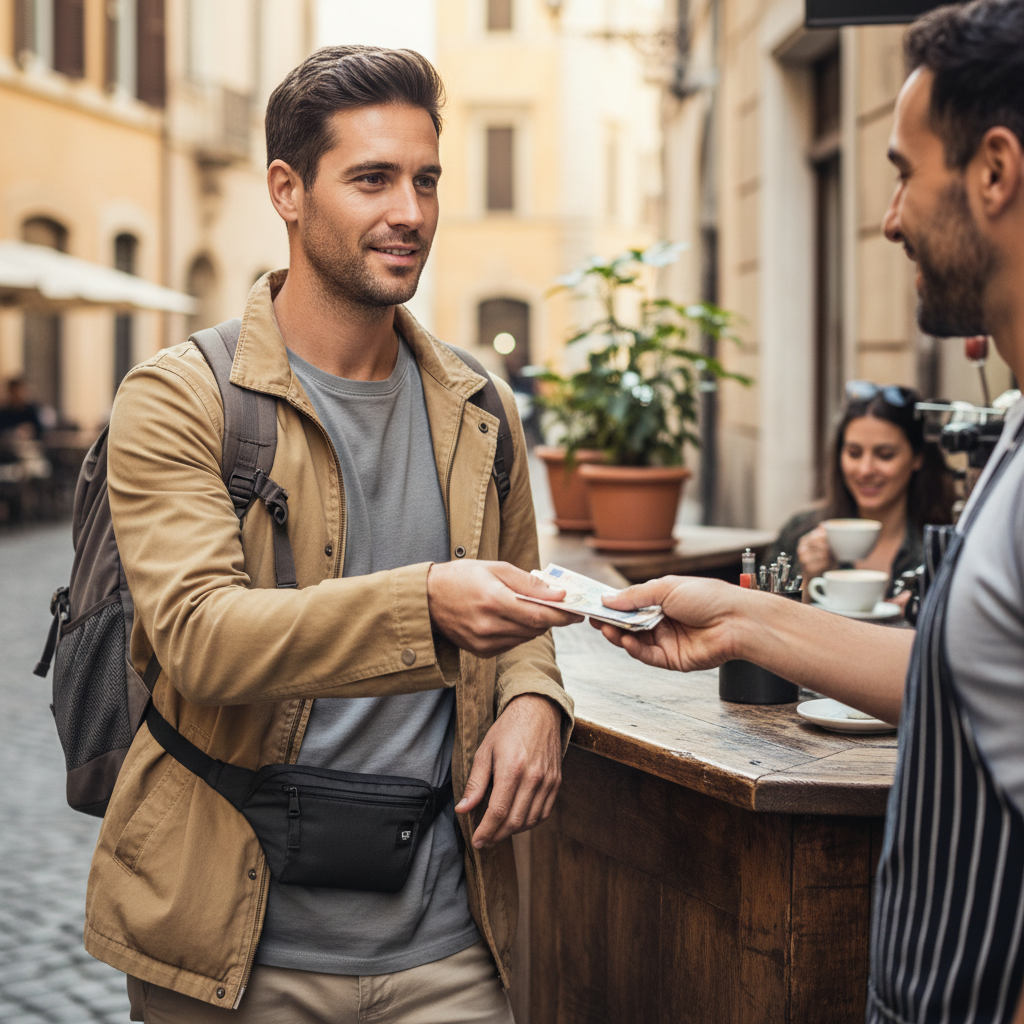
Key point: your goal is to make theft inconvenient and loss recoverable, not to create a complicated scavenger hunt for yourself.
Mistakes that make you an easy target (even with “good” gear)
- Counting cash in the open at stations, markets, or taxi lines
- Using one pouch for everything, especially passport + all cards + all cash
- Forgetting your own stash because you hid it “too well” and never practiced accessing it
- Over-carrying on day trips because “what if,” then getting sloppy by afternoon
- Ignoring local patterns, some cities skew toward bag snatches, others toward distraction scams
If you feel yourself doing the “tourist pat-down” every two minutes, simplify. Anxiety makes you less aware of what’s happening around you.
When to get help, and what to do after theft
If you lose money or cards abroad, you don’t need hero moves, you need a checklist. According to Federal Trade Commission guidance on identity theft, acting quickly to limit fraud can reduce damage. In a travel context, that usually means calling issuers and documenting what happened.
- Call your card issuer to freeze or cancel, then request replacement options
- File a local police report if required for insurance claims
- Contact your lodging if theft might involve room access
- Reach out to the nearest U.S. embassy/consulate for passport issues or urgent support
If your situation involves coercion, assault, or ongoing threats, prioritize personal safety and contact local emergency services, and consider professional support.
Conclusion: make theft annoying, not catastrophic
how to hide money when traveling abroad is less about clever hiding places and more about building a calm, repeatable routine. Split your funds into layers, carry less than you think, and keep one backup you never touch unless it’s truly needed.
If you want one action today, do this: set up a three-layer system before your next trip, then practice accessing your daily cash without flashing the rest.
Quick comparison table: common hiding options
| Option | Best for | Tradeoffs |
|---|---|---|
| Money belt (under clothes) | Backup cash + spare card in crowded cities | Slower access, uncomfortable in heat |
| Front zip pocket | Daily cash | Still vulnerable if overstuffed |
| Crossbody bag worn in front | Day touring with essentials | Distraction scams can still work |
| Hotel safe | Deep backup | Not a bank vault, property quality varies |
| Split stash in toiletries | Extra redundancy | Easy to forget if too “creative” |