
How to keep passport safe while traveling comes down to two things most people skip until something goes wrong, where you store it day to day, and how fast you can recover if it disappears.
If you travel from the U.S., your passport is more than an ID, it’s your way home. Losing it can mean missed flights, extra hotel nights, and a painful scramble for replacement paperwork, often right when you least want a “project.”
The good news is you don’t need paranoia or fancy gear, you need a repeatable system. Below is a practical setup, options by scenario, a quick self-check, and a simple recovery plan you can keep in your Notes app.
Why passports get lost (and what that tells you)
Most passport problems aren’t dramatic theft stories, they’re routine mistakes that stack up. If you understand the pattern, your prevention plan gets simpler.
- Too many “temporary” storage spots: moving it from bag to pocket to jacket to nightstand makes it easy to forget.
- Overexposure: pulling it out in public repeatedly, or leaving it on a counter during check-in.
- Single-point failure: no backup copies, no photo of the ID page, no idea where the nearest consulate sits.
- Mixed priorities: using the passport as everyday ID when a driver’s license, passport card, or a copy would work.
According to the U.S. Department of State, U.S. citizens abroad who lose a passport should contact the nearest U.S. embassy or consulate for assistance, which is exactly why planning your “what if” matters before you land.
Pick a simple “passport system” you can repeat
How to keep passport safe while traveling gets easier when you stop improvising and choose one default routine for transit days and one for normal days.
Transit days (airports, trains, long transfers)
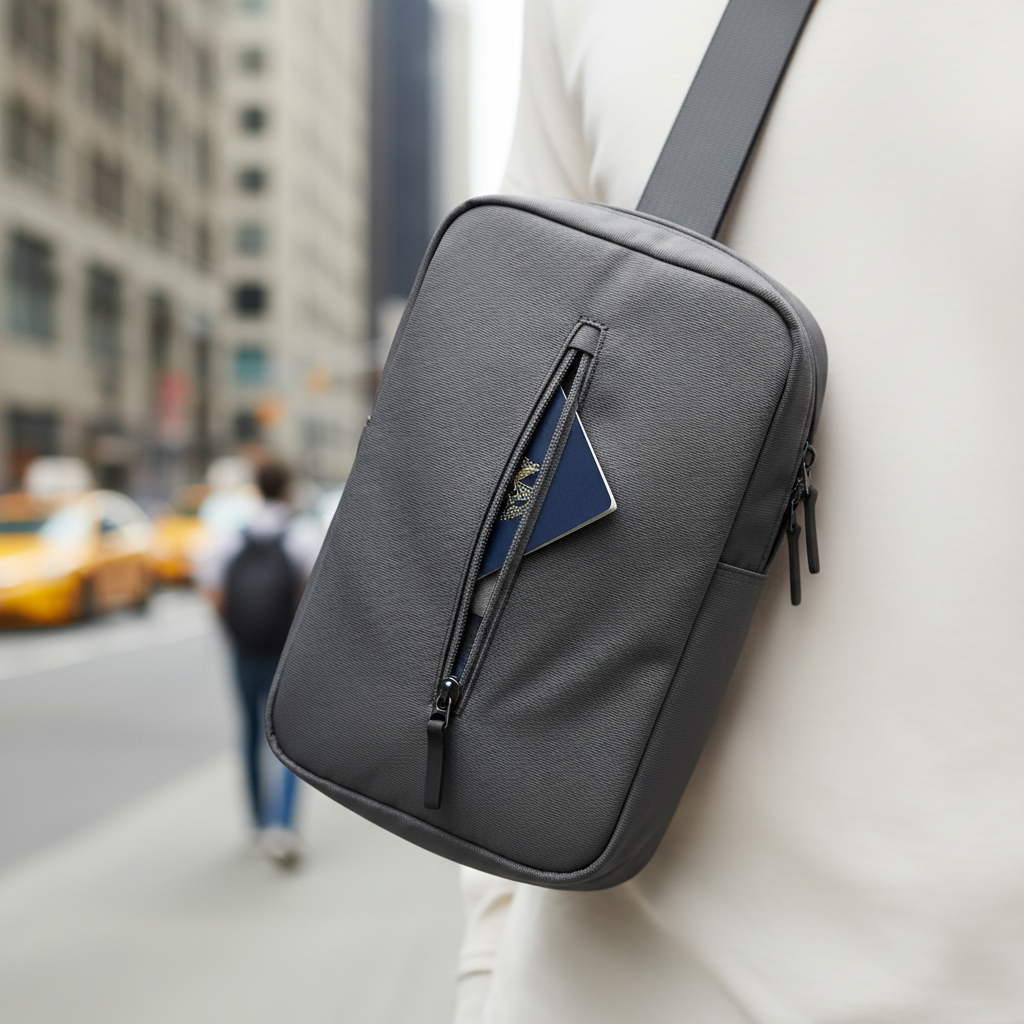
- One dedicated location: an interior zip pocket, a locked travel wallet, or a crossbody worn in front.
- Same sequence every time: passport goes back into the same pocket immediately after each check.
- “Counter rule”: it never sits loose on a café table, airline counter edge, or hotel lobby desk.
Normal days (walking around, tours, errands)
- Default to staying put: in many situations, leaving it secured in your accommodation reduces risk.
- Carry a backup ID option: a state ID/driver’s license, passport card, or a printed copy if accepted for low-stakes checks.
- Only bring it when needed: border crossings, certain ticket pickups, some hotel policies, formal ID checks.
Where to store your passport: options by situation
There isn’t one “right” place for every destination. Your best choice changes with pickpocket risk, hotel setup, and how often you must show ID.
| Situation | Safer storage choice | Why it works |
|---|---|---|
| Flight day / train day | On-body zip pocket or crossbody worn in front | Reduces snatch-and-grab risk and “set it down” mistakes |
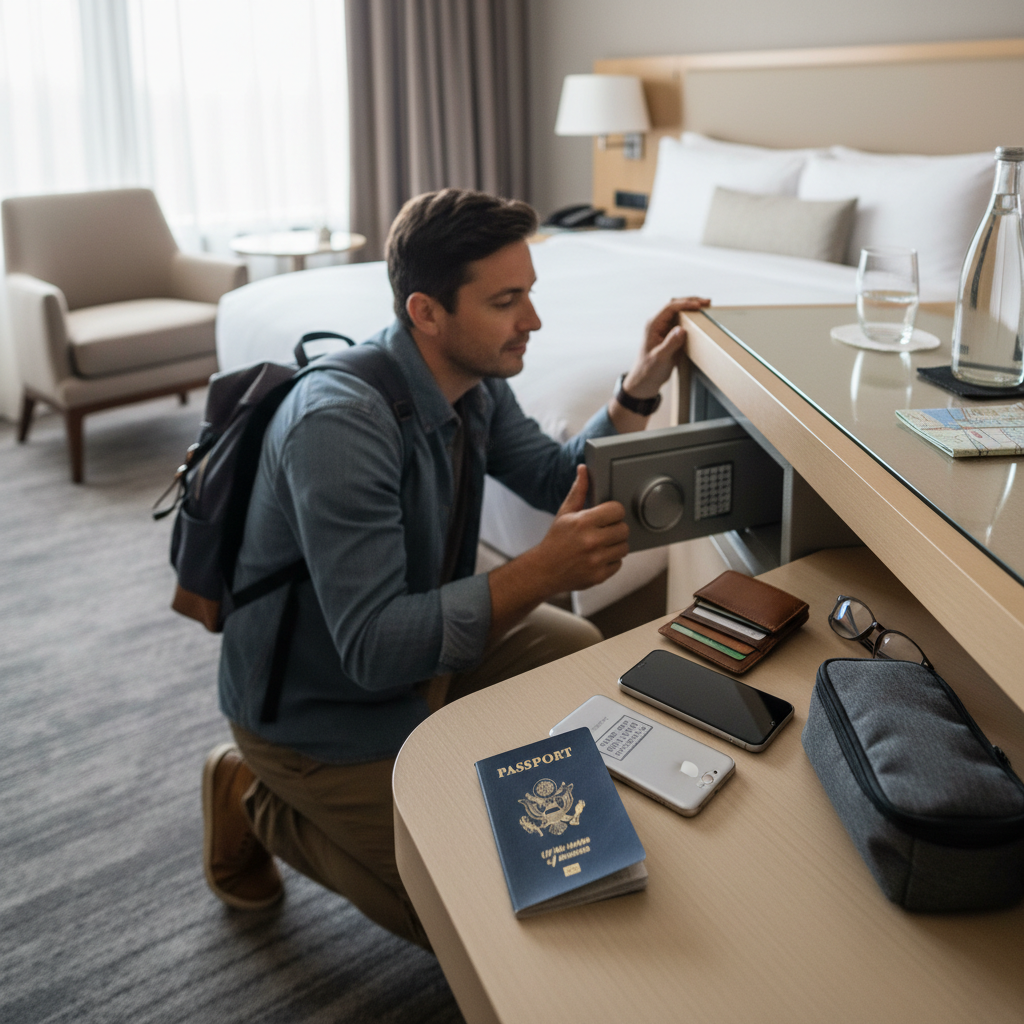
| Hotel with in-room safe | Safe + one consistent spot for the key/code routine | Keeps document out of daily circulation |
| Hostel / shared room | Lockable luggage + slim pouch on-body when sleeping | Limits access and avoids leaving it in open bags |
| Beach / pool | Leave in accommodation, carry alternative ID | Water, sand, and distraction raise loss risk |
| Nightlife / crowded events | Leave secured, carry a copy and one payment card | Lower exposure in high-theft environments |
If you rely on a money belt, treat it as storage, not a wallet you open constantly. The more you access it in public, the less benefit you get.
A quick self-check before you leave the hotel
If you want a simple way to keep passport safe while traveling, do this 20-second check whenever you walk out. It feels basic, but it prevents the most common “I thought I packed it” moment.
- Do I need it today? If not, it stays secured.
- If yes, where is it right now? Name the exact pocket or pouch, out loud if you’re tired.
- Do I have one backup ID method? License, passport card, or a copy depending on your comfort and local norms.
- Do I have a way to access my backup files? Offline copy or cloud access that doesn’t depend on one device.
This is also where couples and families mess up: “You had it last.” Pick one person as the passport owner for each document, even if someone else holds the bag.
Backups that actually help (not busywork)
Backups won’t prevent loss, but they shorten the recovery timeline and reduce confusion. Keep it lightweight, and keep it secure.
What to prepare
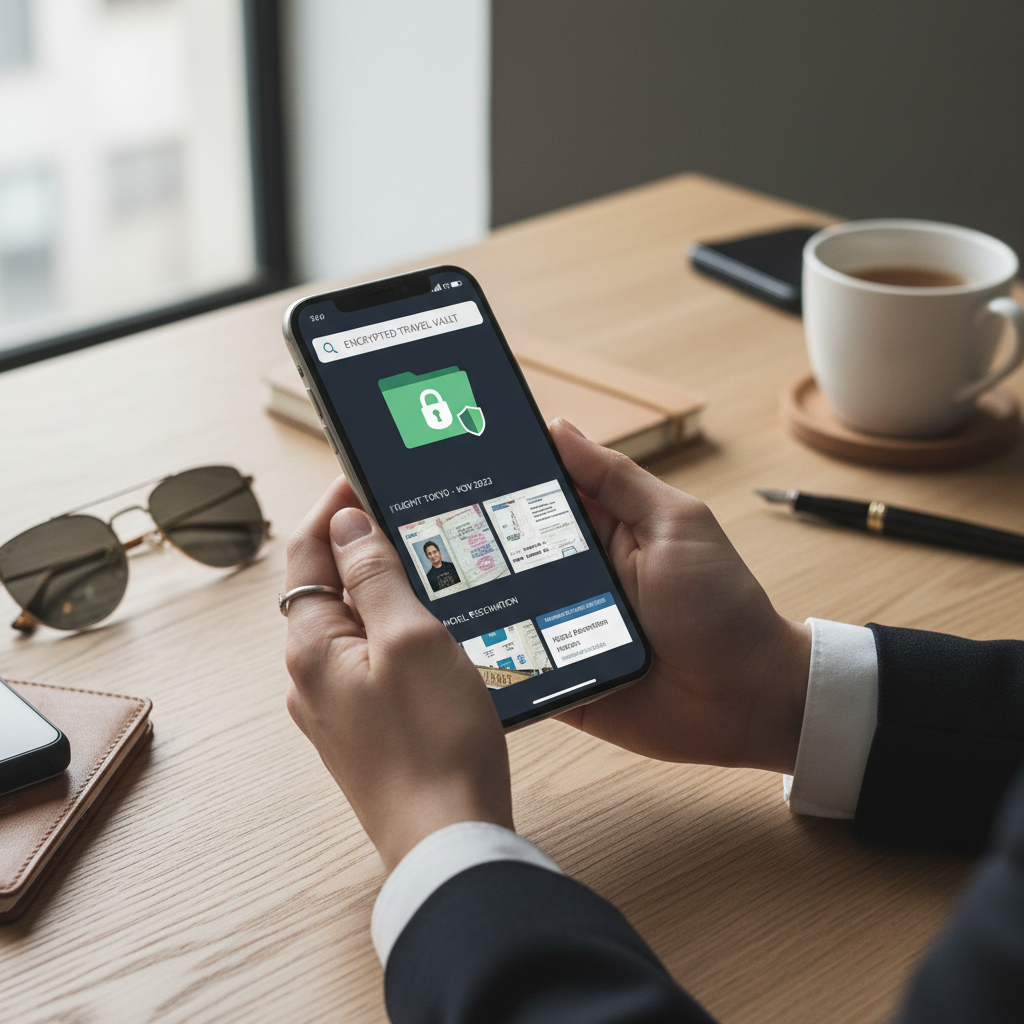
- Photo or scan of the passport ID page stored in an encrypted vault or secure cloud folder.
- Printed copy in a separate bag, useful if your phone dies or gets stolen.
- Key trip details: flight numbers, lodging addresses, and emergency contacts in one note.
- Two-factor authentication plan: if you use MFA, ensure you can log in without the one phone you’re carrying.
Where people overdo it
Emailing a plain photo of your passport to yourself or saving it in an unprotected photo album can create privacy risk. If you’re unsure how to secure files, using a reputable password manager or encrypted storage is usually more sensible than scattering copies everywhere.
Real-world tactics in common hotspots (airports, hotels, streets)
This is the part most articles skip: small behaviors that make loss much less likely, without turning your trip into a security drill.
At airports and border control
- Use one “document hand” routine: passport in hand, nothing else loose, then back into the same pocket immediately.
- Avoid last-minute shuffling: don’t move it to a different bag “just for a second.”
- Watch the drop zone: security bins and check-in counters are where passports get left behind.
At hotels and vacation rentals
- Check-in, then store: once the front desk finishes, put it away before you start chatting or answering messages.
- Prefer a consistent “home” spot: safe, locked suitcase, or a specific interior compartment.
- Know local requirements: some countries or hotels may request passport details; if you’re unsure, ask politely what form they need.
In crowded tourist areas
- Keep your bag in front in dense lines or public transit.
- Minimize what you carry: fewer items means fewer opportunities to lose the one that matters.
- Don’t “flash” it: only take it out when required, then put it away without multitasking.
If your passport is lost or stolen: a calm, workable plan
Even if you do everything right, things happen. What matters is speed and clarity, not panic.
- Retrace fast, then stop: check your last two locations, then switch to recovery mode so you don’t waste hours looping.
- Contact local authorities if appropriate: a police report may be helpful for documentation, policies vary by location.
- Contact the nearest U.S. embassy or consulate: According to the U.S. Department of State, they can help with replacing a lost or stolen passport for travel.
- Protect your identity: monitor accounts, consider a fraud alert if sensitive documents were taken, and change passwords if your phone was also stolen.
If you’re traveling soon after the loss, tell your airline or tour operator early. They can’t always fix it, but surprises at the airport rarely end well.
Key takeaways you can use on your next trip
How to keep passport safe while traveling isn’t about carrying it in the “perfect” gadget, it’s choosing one routine you follow even when you’re tired. Store it in one dedicated place on transit days, leave it secured on normal days when you don’t need it, and keep smart backups so a bad moment doesn’t become a ruined week.
Your next step is simple: decide where the passport lives during transit, decide where it lives in your accommodation, then create one secure backup copy before you depart.
FAQ
- Should I carry my passport with me all the time in Europe?
Many travelers don’t, especially on low-risk days, but requirements and enforcement can vary by country and situation. If you’re unsure, ask your hotel what’s typical locally and carry an alternative ID plus a copy. - Is a hotel room safe actually safe for a passport?
Often it’s safer than carrying your passport everywhere, but it depends on the property and your habits. The bigger risk is forgetting it at checkout, so use a checkout checklist and keep the safe as your only “home base” spot. - Are money belts worth it for passports?
They can help in crowded areas, but only if you don’t access them constantly. If you find yourself pulling it out for payments or tickets, a secure crossbody with an interior zip pocket may be more practical. - Can I use a photo of my passport instead of the physical passport?
Sometimes a copy helps for minor situations, but many official checks require the original document. Treat a photo as a backup for recovery and reference, not a replacement. - What’s the best way to store a passport scan securely?
A reputable encrypted storage option or password manager is usually a safer bet than an unprotected photo album or plain email. If you’re not comfortable setting that up, a printed copy stored separately is still useful. - What should I do if my passport is stolen along with my phone?
Start with the nearest U.S. embassy or consulate for travel documents, then lock down accounts through a secondary device. If you rely on app-based two-factor codes, plan ahead so you have a backup login method. - Do kids need their passports carried around every day?
Often you can store them securely like adult passports and carry copies, but some activities or border areas may require originals. For families, assign one adult as the “document owner” so passports don’t bounce between bags.
If you’re planning a multi-stop itinerary and want a more streamlined way to keep documents, backups, and day-to-day carry choices organized, a simple pre-trip checklist and a dedicated travel pouch setup can save mental bandwidth without making you feel overprotected.