
Scenic drive travel routes can look dreamy online, but picking the right one in real life often comes down to timing, road conditions, and what you actually enjoy doing between overlooks.
If you choose well, a great drive gives you a full trip rhythm with minimal logistics, you wake up somewhere pretty, spend your day moving through changing landscapes, and still feel like you had “stops” without needing a jam-packed itinerary.
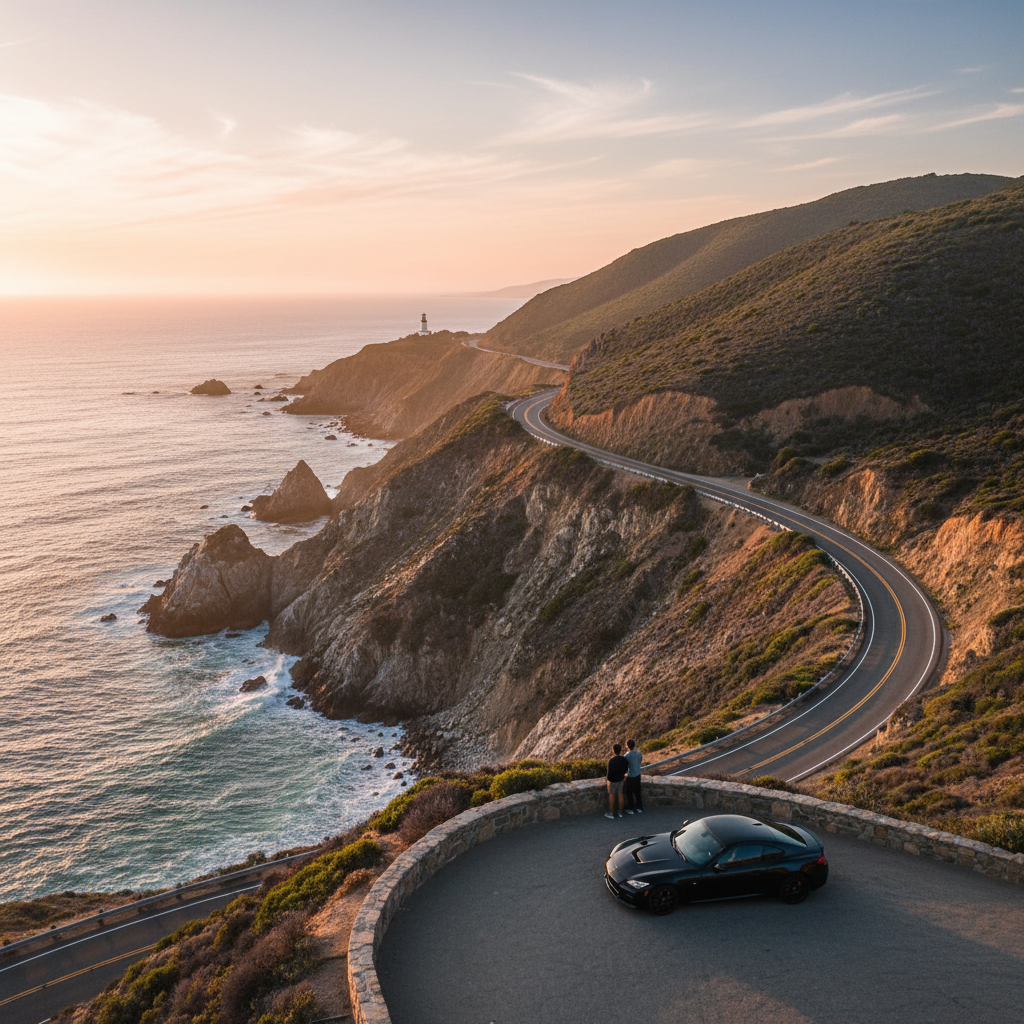
There’s also a common trap: people choose a route based on one hero photo, then realize the drive itself is stressful, the best sections are seasonal, or the “classic” direction is the opposite of what they planned. This guide helps you pick routes that match your pace, and shows how to plan them so the drive stays fun.
What makes a route truly “scenic” (and worth your time)
Not every pretty road feels good to drive. The most memorable routes usually have a few things in common, even across very different countries.
- Visual variety: coast to forest, desert to canyon, mountain passes to lakes, the scenery changes without long dull stretches.
- Frequent, safe pull-offs: you can stop without white-knuckle parking or risky shoulder pulls.
- Stops that feel local: small towns, short hikes, viewpoints, food you can’t get at a generic highway exit.
- Reasonable driving load: many travelers enjoy 2–5 hours of driving per day, more than that often turns into endurance mode.
Also, “scenic” is sometimes code for “slow.” Narrow lanes, switchbacks, cyclists, wildlife crossings, and unpredictable weather can all be part of the deal, which is fine if you expect it.
A quick shortlist: iconic scenic drives around the world
This is not a ranked list, because the “best” scenic drive depends on your season, comfort with curvy roads, and how far you want to wander from airports and major cities. Consider these as proven starting points for building a trip.
| Route | Where | Best for | Watch-outs |
|---|---|---|---|
| Pacific Coast Highway (CA Hwy 1) | USA (California) | Coastal cliffs, small towns, viewpoints | Closures/landslides happen, check conditions |
| Blue Ridge Parkway | USA (VA–NC) | Fall color, gentle mountain scenery | Fog, limited services in stretches |
| Going-to-the-Sun Road | USA (Montana) | Alpine views, wildlife, short hikes | Seasonal access, timed entry may apply |
| Icefields Parkway | Canada (Alberta) | Glaciers, turquoise lakes, big peaks | Weather swings, fuel planning matters |
| Great Ocean Road | Australia (Victoria) | Coast + iconic rock formations | Tour bus congestion at hotspots |
| Ring Road (selected segments) | Iceland | Waterfalls, black-sand beaches, volcanic scenery | Wind, rapid weather changes, road advisories |
| Amalfi Coast Road (SS163) | Italy | Cliffside villages, sea views | Narrow roads, parking headaches |
| Garden Route | South Africa | Coast + forests + wildlife detours | Drive-time can expand with stops |
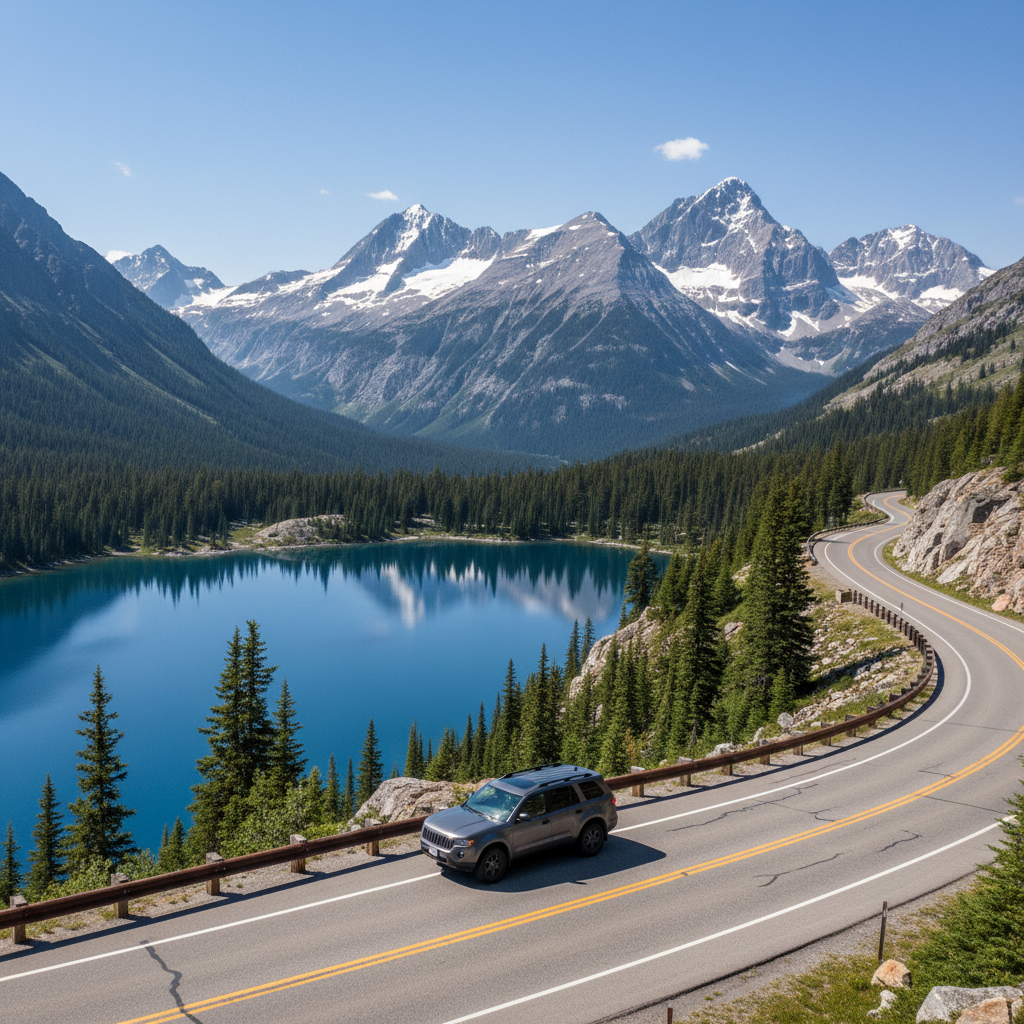
If you’re choosing from the list, think about what you want the road to do for you: constant “wow” moments, easy driving with frequent pull-outs, or a route that doubles as a corridor between two big destinations.
How to choose scenic drive travel routes that fit your style
Before you commit, do a fast self-check. This tends to prevent the classic mismatch, like booking a cliff road when you hate tight lanes.
Self-check: pick your “drive personality”
- “I want low-stress views”: look for parkways and well-maintained national park roads, fewer hairpins, more overlooks.
- “I’m here for epic terrain”: mountain passes and remote corridors deliver, but plan extra time and weather flexibility.
- “I want town-hopping”: coastal and wine-country routes work best when you pre-book lodging and parking.
- “I want photo stops”: prioritize routes with frequent pull-outs and sunrise/sunset angles, not just famous names.
Two practical filters that matter more than people admit
- Season window: some roads are spectacular but short-lived, alpine routes can be limited by snow, and coastal areas can be foggy in certain months.
- Road comfort: if you get anxious with cliffs, narrow lanes, or heavy traffic, choose a different route and enjoy it more.
When people ask me for “the most scenic option,” I usually ask one question back: do you want scenery while moving, or scenery at stops? Your answer changes everything.
Planning a scenic driving itinerary that doesn’t feel rushed
The easiest way to keep a road trip enjoyable is to plan around “anchors,” then let the drive fill in the day. Anchors are the one or two non-negotiable things: a viewpoint at sunrise, a short hike, a town for lunch.
A simple planning method that works in most countries
- Pick a daily driving cap: many travelers feel best under 4 hours of wheel time, not counting stops.
- Choose 1 primary stop + 2 optional stops: optional means you can skip without regret.
- Book lodging “ahead of the bottleneck”: if a famous section gets crowded, sleep before it and drive through early.
- Plan fuel and food like a grown-up: remote scenic routes can have long gaps in services, and prices can vary.
According to U.S. National Park Service (NPS), conditions and access can change due to weather, construction, and safety concerns, so checking official updates before you go is part of responsible trip planning.
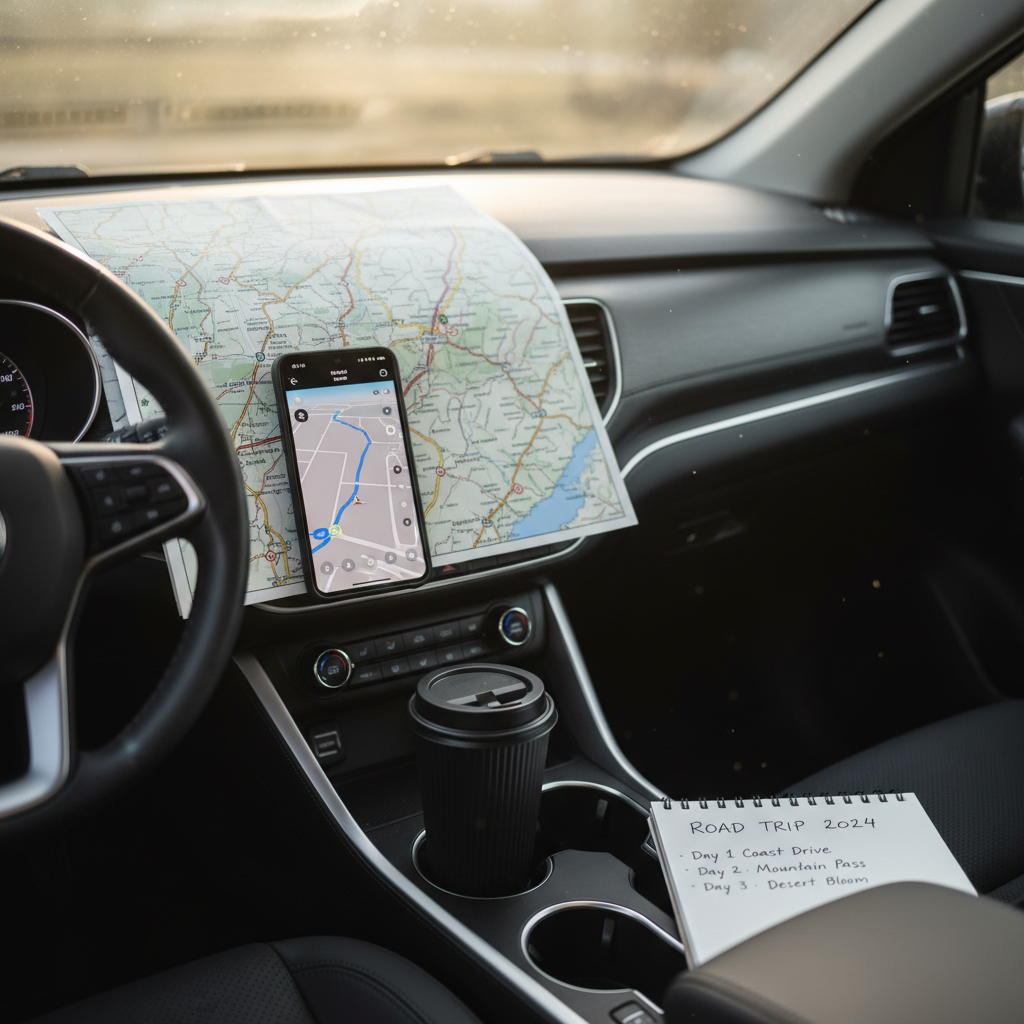
Another small trick: if you’re building scenic drive travel routes around national parks, don’t assume you can “just show up.” Some areas use timed entry or have parking constraints in peak season, and that changes your departure time.
On-the-road tactics: make the drive smoother, safer, and more fun
A scenic road day goes sideways for predictable reasons: too many stops, not enough breaks, and trying to do the “perfect” photo plan while everyone else has the same idea.
Key points that usually pay off
- Drive early, stop later: morning light and lighter traffic make the drive feel easier, then you can linger at stops.
- Use offline maps: coverage drops in mountains and remote coastlines, download maps ahead of time.
- Keep a “2-minute stop” habit: quick pull-offs prevent fatigue without blowing up your schedule.
- Rotate drivers when possible: scenic roads can be mentally demanding, even if the mileage looks small.
For safety, it’s smart to follow local guidance on weather and road conditions. According to Federal Highway Administration (FHWA), driving behavior should adjust to visibility, traction, and roadway conditions, which matters a lot on mountain and coastal roads.
Common mistakes (and what to do instead)
Most road-trip regret comes from a handful of patterns. The fix is rarely “add more,” it’s usually “choose fewer things, better.”
- Mistake: Overstuffing the day
Do instead: lock one “hero” segment and treat the rest as flexible, you’ll still see plenty. - Mistake: Ignoring directionality
Do instead: check which direction gives you easier pull-offs and better views, this varies by route. - Mistake: Assuming every overlook is safe
Do instead: only pull into designated turnouts, shoulder stops can be risky and illegal in many places. - Mistake: Building a plan around a single season photo
Do instead: confirm typical conditions for your dates, fog, snow, and wildfire smoke can change visibility.
If you’re traveling with kids, new drivers, or anyone sensitive to motion sickness, curvy roads and constant braking can be a real factor, in that case, shorter segments and longer stops often work better. For medical concerns, it’s reasonable to consult a healthcare professional before a long driving trip.
When you may want local or professional help
You don’t need a guided tour for every road trip, but there are situations where expert input saves time and stress.
- Complex seasons: shoulder-season snow, monsoon patterns, or storm-prone coasts where conditions change quickly.
- Regulated access: parks or regions with permits, timed entry, or vehicle restrictions.
- High-stakes driving: cliff roads, single-lane bridges, or long remote stretches where a breakdown becomes expensive fast.
In those cases, a local outfitter, a reputable travel advisor, or even a quick call to a visitor center can clarify what’s realistic for your dates.
Conclusion: pick the road that matches your pace
Scenic drive travel routes work best when you plan for the real experience, not just the highlight reel, a manageable driving day, a few meaningful stops, and enough flexibility to handle weather or crowds.
If you want a simple next step, choose one route from the table, sketch a 3–5 day loop with a daily driving cap, then confirm seasonal access and closures on official sites before you book anything nonrefundable.
FAQ
What are the best scenic drive travel routes for first-time road trippers?
Routes with frequent pull-offs and strong infrastructure tend to feel easier, like the Blue Ridge Parkway or major coastal highways. They still deliver big views without demanding advanced mountain driving confidence.
How many hours should I drive per day on a scenic route?
Many people enjoy 2–5 hours of driving plus stops, but it depends on how curvy the road is and who’s in the car. If you notice fatigue or irritability early, your daily cap is probably too high.
Is it better to plan a loop or a one-way scenic drive?
Loops reduce logistics and often cost less, one-way routes can be more efficient if you’re linking two cities. The deciding factor is usually flights and rental car drop fees.
How do I check if a scenic road is closed?
Start with official sources for the region or park. For U.S. parks, the NPS site and alerts are a solid baseline, then cross-check with state DOT updates when highways are involved.
What should I pack for long scenic drives in remote areas?
Water, snacks, a basic first-aid kit, a phone charger, and a physical backup for directions can cover most issues. In cold or high-altitude areas, extra layers help even in warmer months.
How can I avoid crowds at famous viewpoints?
Earlier starts usually beat any hack. Another approach is to stop at “secondary” overlooks you notice on the drive, they’re often just as pretty and much calmer.
Are scenic drives safe in winter?
They can be, but winter adds traction and visibility risks, and some roads close entirely. If you’re unsure about snow driving or tire requirements, it’s wise to adjust your route or ask local authorities for guidance.
If you’re planning scenic drive travel routes and want a more low-effort setup, a curated day-by-day outline with realistic drive times, seasonal checks, and stop priorities can make the whole trip feel lighter without over-controlling it.