
Ski travel destinations winter planning usually breaks down for one simple reason: you can’t optimize everything at once, not snow quality, price, crowds, travel time, and vibe. Pick the wrong “best” resort for your priorities, and the trip feels expensive, stressful, or just… fine.
This guide narrows the options in a practical way, matching destinations to real traveler types, families, beginners, powder hunters, and people who want a great village and après without feeling trapped in lift lines.

One quick note before we get into resort names: conditions change weekly, and even the most reliable mountains can get lean periods. According to the National Weather Service, winter storms and temperature swings vary by region and year, so it pays to build flexibility into dates and expectations.
How to choose a destination (without overthinking it)
When people search ski travel destinations winter ideas, they often assume “best” equals highest elevation or biggest trail map. In practice, the best fit usually comes from four filters.
- Snow reliability: elevation, latitude, and typical storm tracks matter more than marketing photos.
- Terrain match: a destination can be world-class yet frustrating if your group can’t access that terrain comfortably.
- Total trip cost: flights, lodging, lift tickets, rentals, parking, and food add up fast.
- Logistics: transfers, rental car needs, walkability, and how painful it is to change plans midweek.
Key takeaway: decide what you refuse to compromise on, then allow the other variables to flex. That one decision saves money and reduces “why did we pick this place?” arguments later.
Quick comparison table: standout ski trips by traveler type
This table is intentionally opinionated, it’s meant to help you shortlist fast, then you can check current snow reports and pricing.
| Traveler priority | Top picks | Why it works | Watch-outs |
|---|---|---|---|
| Easy airport access | Park City (UT), Whistler (BC), Heavenly/Northstar (CA) | Shorter transfers, big lodging inventory | Higher crowds during holidays |
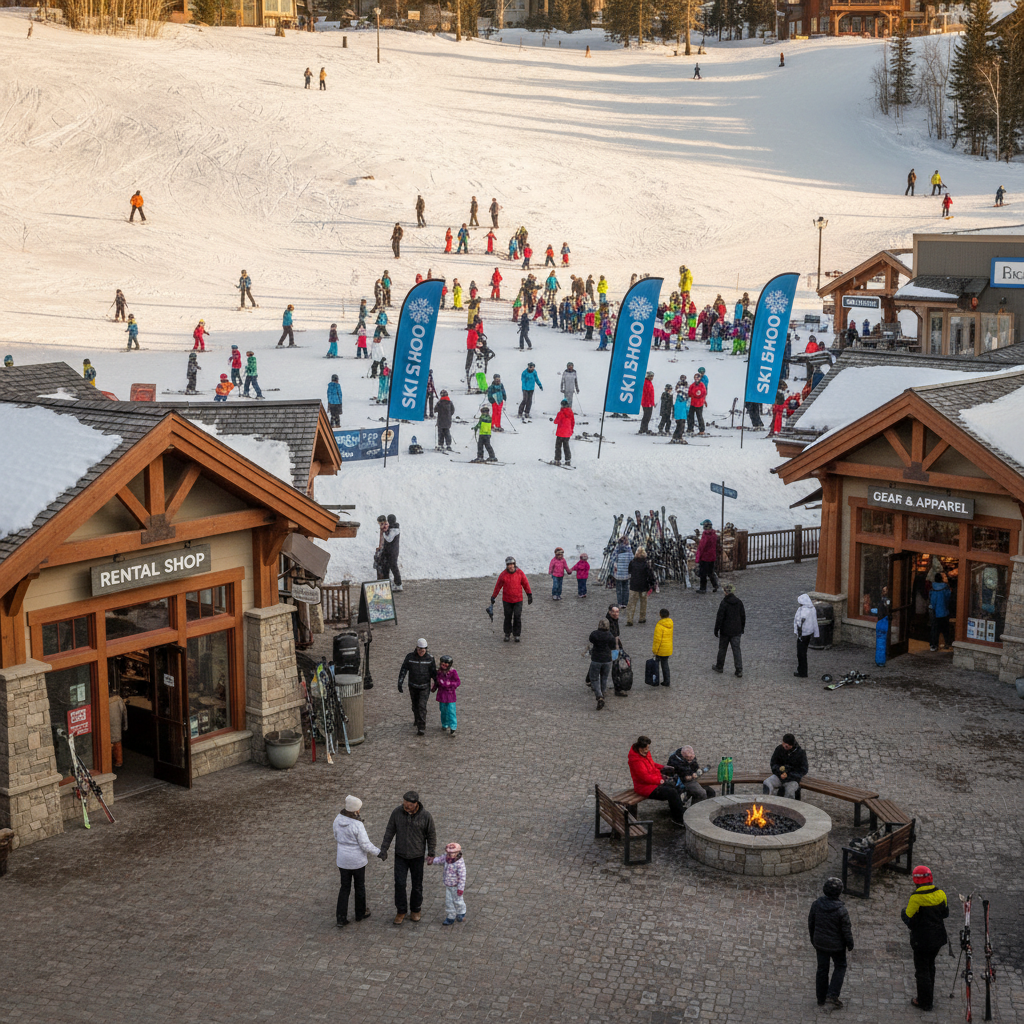
| Beginners + lessons | Beaver Creek (CO), Deer Valley (UT), Tremblant (QC) | Strong ski schools, polished on-mountain experience | Premium pricing in peak weeks |
| Powder and steeps | Jackson Hole (WY), Alta/Snowbird (UT), Revelstoke (BC) | Challenging terrain, storm potential | Not ideal for timid skiers, weather can disrupt travel |
| Classic European vibe | Zermatt (CH), Chamonix (FR), St. Anton (AT) | Villages, food culture, long ski days | Navigation, off-piste risks, different lift systems |
| Better value | Banff (AB), Bansko (BG), Andorra resorts | Lower lodging costs, good terrain options | Snow consistency varies by region and season |
Top ski travel destinations for winter sports (and who they’re best for)
Park City, Utah
Park City is a safe pick when you want a big ski area without a complicated trip. You get strong infrastructure, a real town feel, and lots of lodging styles.
- Best for: mixed-skill groups, first-timers who want convenience
- Why go: access, dining options, reliable trip planning
- Reality check: holiday crowds can change the experience
Jackson Hole, Wyoming
Jackson Hole earns its reputation, but it’s not a universal recommendation. Strong intermediates who want to level up love it, pure beginners often feel overwhelmed.
- Best for: advanced skiers, expert terrain seekers
- Why go: steep lines, iconic culture, big-mountain feel
- Reality check: conditions and visibility can make “hard” feel “impossible”
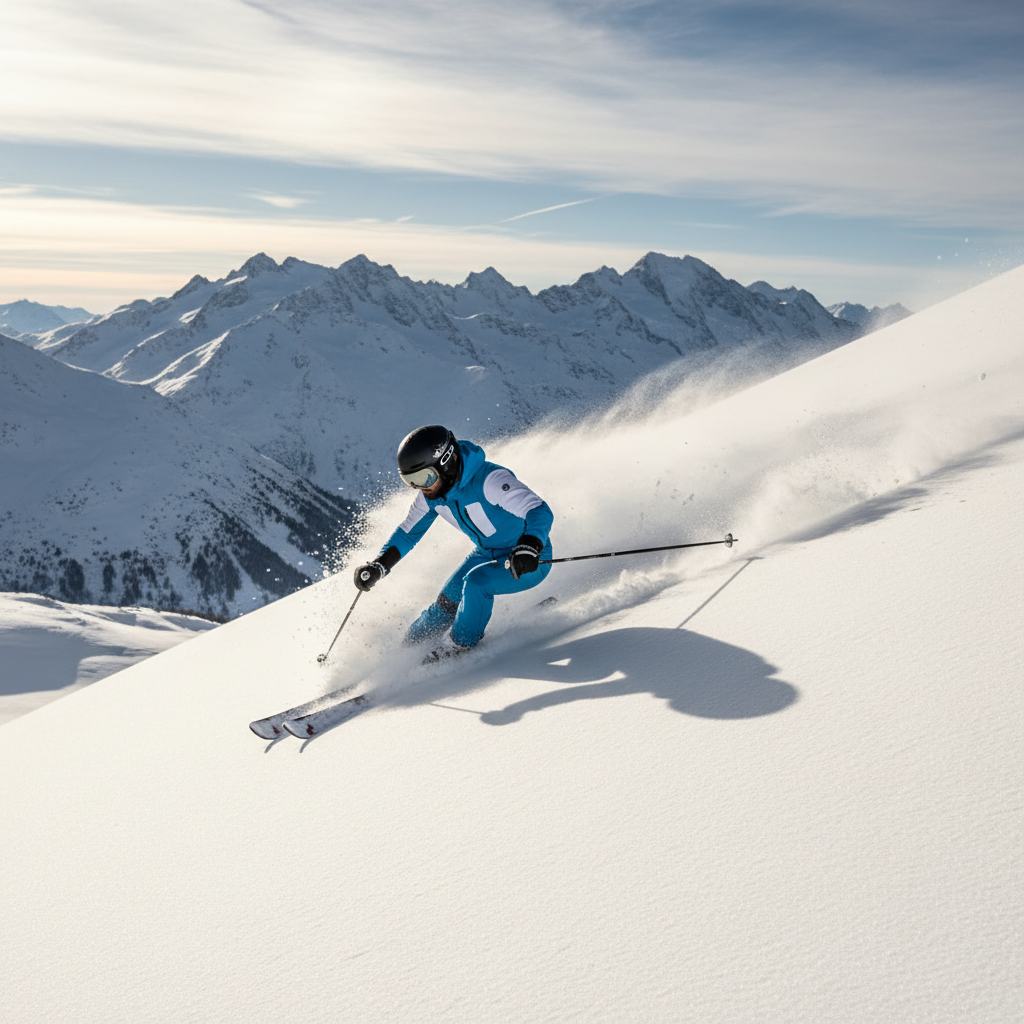
Whistler Blackcomb, British Columbia
Whistler is a “do-it-all” destination: huge terrain, strong village energy, and plenty for non-skiers. It’s also one of the easier international trips for many Americans.
- Best for: groups that want skiing plus nightlife, dining, shopping
- Why go: scale, variety, village convenience
- Reality check: lower-elevation snow can be more weather-sensitive in some periods
Aspen Snowmass, Colorado
Aspen sits in the “premium” tier, but the value shows up when you care about service, dining, and a more curated experience, not just lift-accessed vertical.
- Best for: couples, friend trips, travelers who prioritize comfort
- Why go: four distinct mountains, strong town scene
- Reality check: lodging can be the real budget breaker
Lake Tahoe, California/Nevada
Tahoe is more like a region than a single resort choice. It can be fantastic when storms line up, and frustrating when they don’t, so flexibility matters more here.
- Best for: West Coast travelers, long-weekend ski plans
- Why go: scenery, range of resorts, lots of off-mountain options
- Reality check: road conditions and chain controls may impact arrival plans
Zermatt, Switzerland
If you want a “bucket list” Europe trip, Zermatt delivers with the Matterhorn backdrop and a polished village. It’s also a place where planning details matter, especially lodging location and lift access.
- Best for: travelers who want scenery, food, and a classic alpine town
- Why go: atmosphere, long on-piste routes, iconic views
- Reality check: costs can climb quickly, and weather can close higher lifts
Practical planning tips that usually save money and stress
Most winter sports trips go sideways because people lock in the wrong things too early, or too late. Here are moves that tend to work in many situations.
- Book lodging before flights when inventory is tight, then build flights around what’s walkable or shuttle-friendly.
- Choose travel dates strategically: avoid holiday weeks if price and crowds matter more than school calendars.
- Think in “total cost per ski day”: a cheaper flight can lose its advantage if you need a rental car, pay parking, and waste time commuting.
- Protect your first day: arrive the day before you ski if possible, weather and delays happen.
- Rent gear off-airport when possible: many towns offer better fit and tuning than generic counters.
According to the U.S. Forest Service, avalanche danger can exist in and around mountainous terrain; if you plan any sidecountry or off-piste travel, consider an accredited guide and proper safety gear, and if you’re unsure, stay within controlled resort boundaries.
A fast self-checklist: which destination type fits you?
If you’re torn between multiple ski travel destinations winter options, answer these quickly and be honest, it will point you to the right style of trip.
- Skill mix: does your group include true beginners who need wide greens and lessons?
- Apres vs early mornings: do you want nightlife, or quiet lodging and first chair?
- Walkability: will you be okay driving in snow, or do you need a village setup?
- Snow preference: groomers and sunshine, or chasing storms and powder days?
- Budget reality: would you rather pay for convenience, or trade time and comfort for savings?
Common mistakes to avoid (even experienced skiers make these)
A few predictable errors show up every season, and they usually cost either money or ski time.
- Buying lift tickets day-by-day when multi-day packs or advance rates exist, pricing policies vary by resort.
- Underestimating altitude: headaches and fatigue are common for some travelers, consider a lighter first day and hydrate, and consult a clinician if you have medical concerns.
- Ignoring transfer time: a “two-hour drive” can turn into four with storms and traffic choke points.
- Overcommitting to one mountain: regions with multiple resorts can be a better hedge if weather shifts.
- Planning only for perfect conditions: have a backup list for low visibility days, spas, museums, tubing, or a lesson day.
Conclusion: pick the right trip, not the most famous resort
The best ski travel destinations winter trips come from matching the mountain to your group, not chasing a name. If you want the simplest win, choose one priority, snow, budget, walkability, or terrain, then shortlist two or three destinations and price them out with real dates.
If you’re ready to act, start by locking lodging in a location that reduces friction each morning, then fill in flights, rentals, and lessons around that anchor. You’ll feel the difference by day one.
FAQ
What are the best ski travel destinations winter for beginners?
Many beginners do well at places with strong ski schools and gentle base areas, Beaver Creek, Deer Valley, and Tremblant often come up for that reason. The real test is lesson availability and beginner terrain that isn’t crowded or icy.
Is it worth going to Europe for a winter sports trip from the U.S.?
It can be, especially if you value village culture and long scenic runs. Costs and logistics vary a lot by country and exchange rates, so compare a full budget, not just airfare.
How far in advance should I book a ski vacation?
For peak weeks, many travelers book months ahead because lodging fills first. For non-holiday periods, you sometimes get decent options closer in, but your best rooms and best locations tend to disappear early.
Which destinations are best if I don’t want to rent a car?
Look for walkable villages and shuttle systems, Park City, Whistler, and many European resorts work well. Still, confirm how you’ll get from the airport to the resort, that transfer is the part people forget.
How do I avoid big crowds during ski season?
Skipping holiday weeks helps most, and skiing midweek usually feels calmer. Also consider smaller resorts near major hubs, sometimes the “second choice” mountain delivers a better day-to-day experience.
What safety basics should I plan for on a winter sports trip?
Plan for changing weather, visibility, and cold exposure, and wear appropriate layers and eye protection. If you intend to go beyond controlled resort terrain, consider professional guidance and avalanche training, risk varies and it’s not the place to guess.
Are ski trips still doable on a tighter budget?
Often yes, but you’ll want to be flexible on dates, consider value regions like Banff or parts of Europe, and prioritize lodging location so you don’t burn money on transportation and parking. Buying tickets and rentals in advance can also help, depending on the resort.
If you’re planning ski travel destinations winter options for a group and want a faster shortlist, it can help to map your “must-haves” to two or three regions, then compare real costs for the same week, that quick reality check often makes the decision obvious.