
Butterfly garden travel guide planning usually comes down to three things, timing, expectations, and small details that decide whether you see a few wings or a full-on flutter show.
If you have ever arrived to find “no butterflies today,” it rarely means the garden is bad, it usually means the conditions were off, the season shifted, or the space runs on rules that are easy to miss when you visit casually.
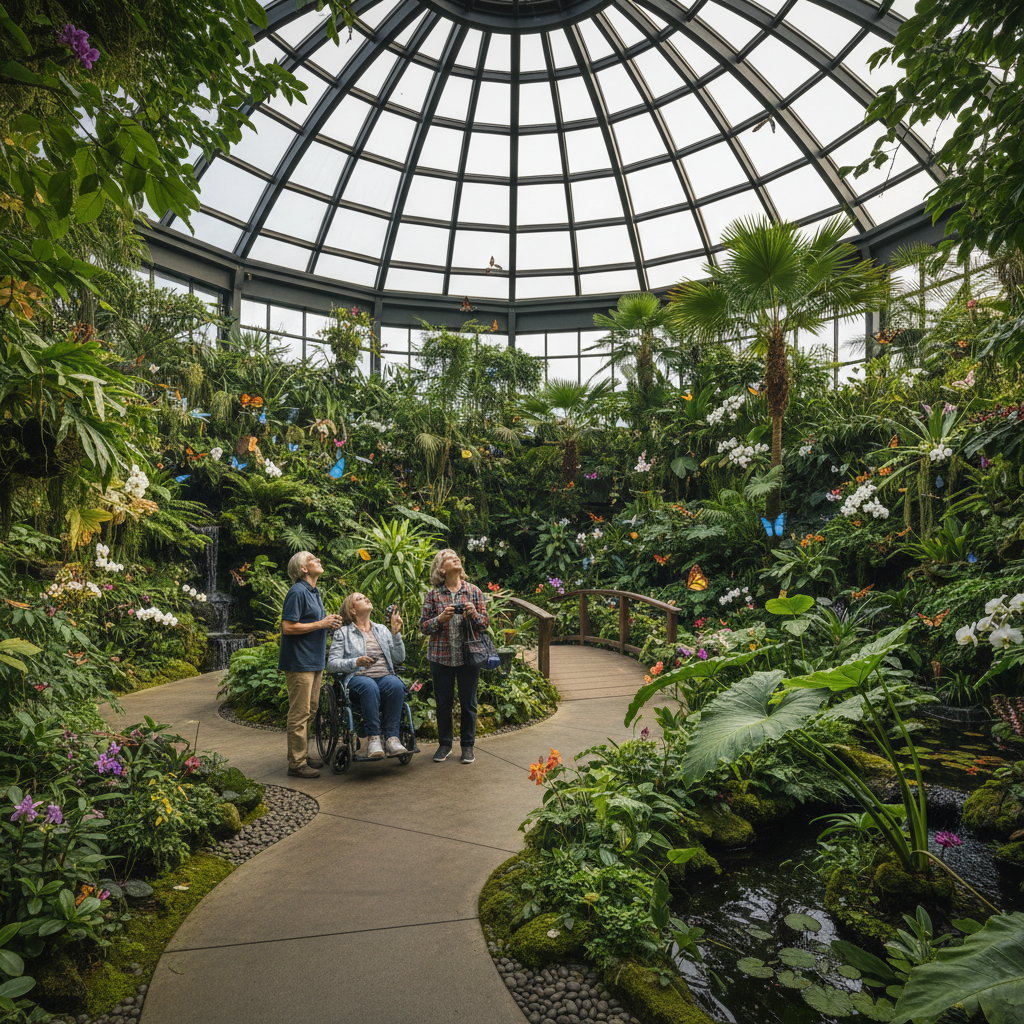
This guide focuses on practical decisions, when to go, what to look for, how to act inside the habitat, and how to make the trip worthwhile even if the butterflies stay shy.
Key takeaways: choose the right season and time window, dress for temperature swings, move slower than you think, and plan for a backup nature stop nearby so the day still feels like a win.
What a butterfly garden actually is (and why your results vary)
Butterfly gardens come in a few common formats, and each changes what you see. Some are outdoor pollinator gardens, others are enclosed conservatories, and some are hybrid spaces with a small indoor house plus outdoor beds.
- Outdoor gardens: heavily seasonal, best when host plants and nectar plants peak, weather drives activity.
- Indoor conservatories: more predictable, often warm and humid, butterflies still follow daily rhythms.
- Educational exhibits: may prioritize signage and programs, you might see fewer free-flying butterflies at times.
Even in a well-run conservatory, butterflies rest, hide, feed, and avoid crowds. A quiet, warm hour can outperform a busy weekend afternoon.
Best time to visit: season, time of day, and weather cues
People search for a butterfly garden travel guide because they want certainty, but nature never signs a contract. You can still stack the odds in your favor.
Seasonal timing (U.S. general guidance)
- Spring to early fall: usually best for outdoor butterfly gardens in many regions.
- Hot summer climates: early morning tends to be more comfortable, butterflies may shelter during extreme midday heat.
- Indoor houses: good year-round, though crowds and special releases can affect the feel.
Time of day
In many gardens, late morning into early afternoon is a common “activity window,” but it varies by species and temperature. If you have flexibility, ask staff what hours tend to be most active that week.
Weather signals (especially outdoors)
- Warm, bright, low-wind conditions often correlate with more flight.
- Cool, windy, or rainy days tend to reduce movement.
- After storms, nectar sources can be less available, butterflies may stay tucked in.
According to the National Park Service, pollinators depend on habitat and seasonal plant cycles, which is a big reason outdoor butterfly viewing changes week to week.
Quick self-check: which type of visit are you planning?
Before you book anything, decide what “success” means for your day. This sounds obvious, but it prevents disappointment.
- I want close-up photos: look for indoor conservatories, visit on quieter days, bring a lens suited for close focus.
- I want to see native species: prioritize outdoor native plant gardens, nature centers, and preserves.
- I’m taking kids: pick places with short loops, restrooms nearby, and staff-led programs.
- I’m sensitive to heat/humidity: avoid mid-summer afternoons in conservatories, plan shorter stays.
- I’m combining it with a road trip: choose a garden near another “sure thing” stop like a botanic garden, aquarium, or scenic trail.
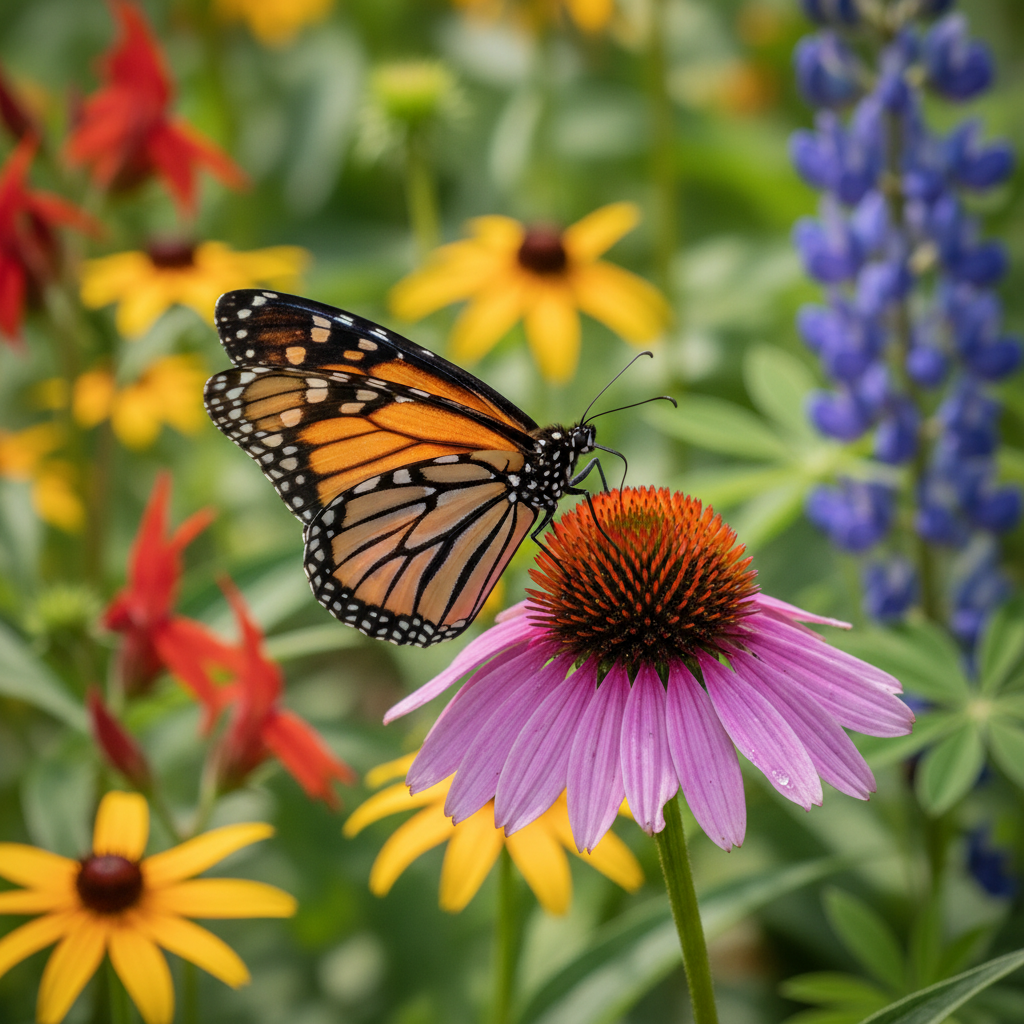
If you are planning around a specific species, pause and confirm whether the garden even hosts it, many exhibits rotate species or focus on what is locally appropriate.
What to pack and wear (simple choices that matter)
A good butterfly garden travel guide is half logistics. Comfort and behavior affect what you notice, and how long you want to stay.
- Layers: indoor houses can feel tropical, while entry areas or outdoor sections can be cooler.
- Comfortable shoes: you will stand more than you expect, especially if you wait quietly near feeding areas.
- Water: many facilities limit open drinks inside habitats, so plan for before/after.
- Camera basics: microfiber cloth for humidity fog, extra battery, and avoid flash if rules restrict it.
- Bug protection (outdoors): use products carefully, strong repellents can affect insects, follow site guidance.
If you have allergies or asthma, indoor conservatories can feel intense due to humidity and plant pollen, it may help to check with a healthcare professional if you are unsure.
How to behave inside a butterfly garden (so you see more, not less)
This is where many visits go sideways. People move fast, talk loud, chase butterflies, then wonder why nothing lands nearby.
- Slow down: pause near flowering zones or feeding stations, let butterflies come to you.
- Watch your shadow: sudden shade can make butterflies lift off.
- Hands off: touching wings can damage scales, even “gentle” contact can harm them.
- Skip flash: many facilities discourage it, and it can stress animals in enclosed spaces.
- Mind the exits: follow vestibule rules, staff are protecting the collection and local ecosystem.
According to the U.S. Fish & Wildlife Service, protecting pollinators includes reducing harm and supporting habitat, that mindset fits butterfly houses too, even when the vibe feels like a casual attraction.
Planning table: choose the right garden for your goals
Use this as a quick planning filter when you compare options. It is not a ranking, it is a fit check.
| Goal | Best-fit garden type | When to go | Notes |
|---|---|---|---|
| Reliable sightings | Indoor conservatory | Weekday late morning | Expect humidity and tighter paths |
| Native species learning | Outdoor native plant garden | Peak bloom season locally | Weather drives activity, bring sun protection |
| Great photos | Conservatory or quiet outdoor garden | Early entry or low-crowd hours | Ask about flash rules and lens distance |
| Family-friendly day | Nature center + garden combo | Program days | Check stroller access and restrooms |
Practical itinerary ideas (so the day feels worth it)
If you want this trip to feel smooth, build a simple plan with a “core stop” and a “bonus stop.” This matters when butterflies are less active, which happens.
1–2 hour visit (local outing)
- Arrive when doors open or during a known active window.
- Do one slow loop without photos, then a second loop with photos.
- End at the gift shop or education corner only after you have watched quietly.
Half-day visit (best for families)
- Butterfly garden first, while attention spans are fresh.
- Lunch nearby, then a short nature trail or botanical garden.
- Leave room for a short “sit and watch” session, it often becomes the highlight.

Small tip that works more often than people expect, ask staff what is blooming or where feeding happens today, most places have a few “hot spots,” they just move around.
Common mistakes that make visits disappointing
- Overplanning the “perfect” shot: if you chase, you miss the moments where butterflies settle naturally.
- Ignoring temperature realities: conservatories can feel intense, outdoor gardens can be brutally sunny.
- Assuming all gardens operate the same: rules on bags, strollers, food, and photography vary.
- Going only on peak crowd days: more noise and movement can reduce close encounters.
- Skipping nearby nature options: a backup stop turns uncertainty into a relaxing day.
And yes, sometimes a garden is between releases or in maintenance. Calling ahead can save you a long drive.
When to seek extra guidance or specialized options
If you are traveling specifically for wildlife viewing, or you have accessibility or health considerations, getting more clarity can make the trip safer and less stressful.
- Accessibility needs: ask about ramps, path width, seating, and humidity levels in indoor spaces.
- School groups or large parties: request program schedules and crowd management guidance.
- Sensitive health situations: if humidity, heat, or allergies are concerns, consider speaking with a medical professional, and choose shorter visits.
- Conservation-focused travel: look for gardens tied to accredited zoos, botanical gardens, or reputable nature centers, and ask how they handle local ecosystem impact.
According to the Smithsonian Gardens, many public gardens use pollinator-friendly plantings and education to support conservation goals, which is worth prioritizing if you want your visit to align with that mission.
Conclusion: make your butterfly garden day predictable (even when nature is not)
A solid butterfly garden travel guide does not promise a perfect swarm, it helps you choose the right setting, show up at smarter times, and enjoy the experience even if the butterflies keep a little distance.
If you do one thing next, pick a garden that matches your goal, then call or check updates for timing and rules, it is the simplest way to turn “maybe” into “very likely.”
FAQ
What is the best month to follow a butterfly garden travel guide in the U.S.?
It depends on region and whether the garden is indoor or outdoor. For outdoor gardens, spring through early fall is often stronger, while indoor conservatories can work year-round, crowds become the bigger factor.
How long should I plan to spend at a butterfly garden?
Many people enjoy 60–120 minutes if they move slowly and pause to watch. If you are traveling far, pairing the garden with a nearby botanical garden or trail helps the day feel fuller.
Are butterfly gardens good for kids who move fast?
Yes, but the experience improves with a quick “quiet game,” like counting colors or spotting feeding stations. Places with short loops and seating work better than tight, crowded conservatories.
Can I bring a camera tripod into a conservatory?
Sometimes, but many sites restrict tripods due to narrow paths and visitor flow. Check the venue rules, a small monopod or higher ISO settings can be a practical compromise.
Do butterflies land on you more if you wear bright colors?
Bright colors can help you feel “in the scene,” but landing is more about being still near nectar or fruit feeding areas. Strong perfumes can be discouraged, policies vary, so it is smart to go light.
What should I do if I see a butterfly on the path?
Do not touch it. Let staff know if it seems injured or is in a high-traffic spot, they can move it safely if needed.
Is it safe to visit a butterfly house if I have allergies?
It may be fine for many people, but indoor humidity and plant pollen can be a trigger for some. If you have a history of severe reactions, it is reasonable to consult a healthcare professional and consider shorter visits.
If you are building a weekend around a butterfly garden and want a more seamless plan, it can help to map two or three nearby nature stops, then choose your visit window based on weather and crowd patterns rather than locking into one rigid schedule.