
Visa free travel countries can be the difference between booking a quick getaway and spending weeks chasing forms, fees, and appointment slots. If you’re a U.S. traveler trying to keep plans simple, the good news is you have a lot of options—but the fine print still matters.
What trips people up isn’t usually the flight or hotel, it’s entry rules that change, passport validity requirements, and confusing terms like “visa-free,” “visa on arrival,” and “eVisa.” They sound similar, but they don’t feel similar when you’re standing at a check-in counter.

This guide breaks down what “easy entry” really means for Americans, shows practical regional examples, and gives you a quick checklist to confirm requirements before you book. No hype—just the stuff that saves time and prevents last-minute surprises.
What “Visa-Free” Actually Means (and What It Doesn’t)
In everyday travel talk, “visa-free” means you can enter a country without applying for a visa in advance. In practice, there are a few common variations that matter for planning.
- Visa-free entry: No pre-approval visa required for short stays, you’re admitted at the border if you meet conditions.
- Visa on arrival: You still “get a visa,” just at the airport/land border, often with a fee and a form.
- eVisa / electronic travel authorization: You apply online before arrival, typically faster than a traditional visa, but it’s still pre-work.
Also, visa-free doesn’t mean “no rules.” Many destinations still require proof of onward travel, sufficient funds, travel insurance, or specific passport validity. According to the U.S. Department of State (travel.state.gov), entry requirements can change with little notice, and travelers should verify directly with official sources close to departure.
Why Some Trips Feel “Easy”: The Real Friction Points
Two destinations can both be “visa-free,” yet one is effortless and the other becomes a checklist marathon. These issues tend to create the most friction for U.S. travelers.
- Passport validity rules: Many places require 3–6 months validity beyond your planned departure date.
- Length-of-stay limits: Visa-free stays often cap at 14, 30, 60, or 90 days, and “resetting” by leaving can be restricted.
- Transit rules: If you connect through another country, you may face separate transit requirements.
- Proof of onward travel: Some airlines enforce this strictly, even when border officers are relaxed.
- Arrival logistics: Landing at 1 a.m. with a “visa on arrival” line can turn “easy” into a long night.
When you’re prioritizing a simple trip, look beyond the label and focus on how predictable the entry process is for your exact route and length of stay.
Quick Self-Check: Are You Truly a “Visa-Free” Traveler for This Trip?
Use this mini-audit before you book. It catches most of the stuff that causes rebooking fees and stress.
- Your passport has enough validity for the destination’s rule (often 6 months).
- Your trip length fits the visa-free window, including any “buffer days.”
- You have onward travel (return ticket or proof you’re leaving).
- Your purpose matches what visa-free entry allows (usually tourism/business meetings, not work).
- You’re not relying on a tricky transit that has different documentation rules.
- You can meet any special requirements (sometimes insurance or arrival registration).
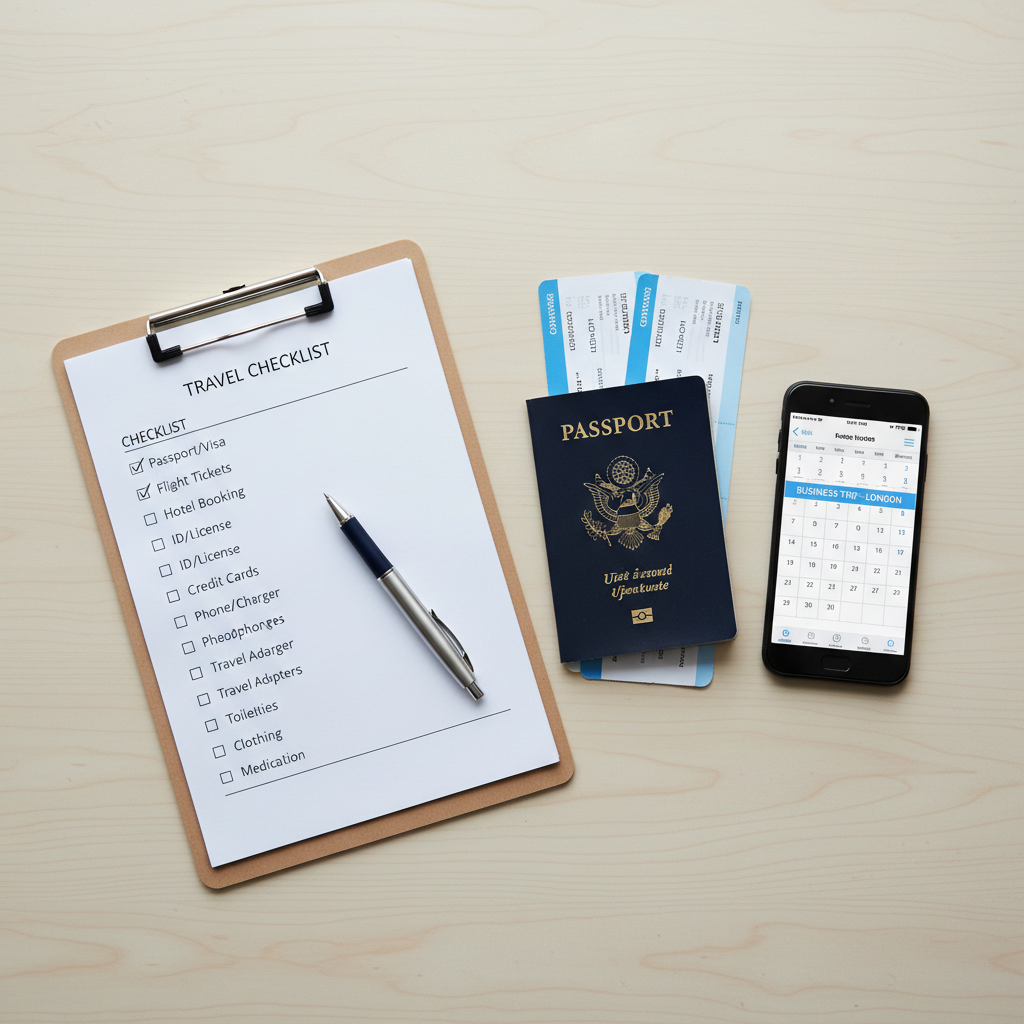
If any item feels uncertain, treat it as a “needs verification” flag. That’s usually faster than hunting blog posts later and finding conflicting info.
Examples of Visa Free Travel Countries by Region (for U.S. Passport Holders)
Because rules can shift, think of the list below as “commonly visa-free or low-friction for short tourism stays,” not a guarantee. Always confirm on official government sites before finalizing.
At-a-glance examples table
| Region | Often easier-entry examples | Typical planning notes |
|---|---|---|
| Europe | Schengen Area countries (many) | Short stays are commonly allowed, but total time is counted across the whole area, not per country. |
| Caribbean | Bahamas, Jamaica, Barbados | Usually straightforward for tourism, but onward travel and passport validity still come up. |
| Central/South America | Costa Rica, Colombia, Peru | Rules can vary by length of stay; some places ask for proof of funds or onward travel. |
| Asia | Japan, South Korea, Singapore | Often smooth entry processes, but some destinations use electronic pre-authorizations. |
| Oceania | Australia, New Zealand | Commonly requires electronic authorization even when travelers call it “visa-free.” |
| Africa | Varies widely by country | More mixed: some easy entries exist, but many travelers encounter eVisa/visa-on-arrival requirements. |
Notice what the table does not do: it doesn’t promise a fixed number of days, fees, or paperwork steps. Those are exactly the details that change most often, and they depend on your itinerary and sometimes even your arrival airport.
How to Choose Easy-Entry Destinations Without Guessing
If your priority is speed and low stress, here’s a practical way to shortlist visa free travel countries without falling into the “someone on Reddit said it’s fine” trap.
- Start from official sources: According to the U.S. Department of State, each destination page may include entry and exit requirements, local laws, and travel advisories.
- Cross-check with the destination’s government immigration site: This is where you’ll usually find the most precise entry conditions.
- Verify airline enforcement points: Airlines often follow systems like Timatic to confirm documents; if the airline says you need proof, arguing at the counter rarely helps.
- Match entry type to your travel style: If you hate uncertainty, visa on arrival might feel worse than an eVisa you can complete at home.
One more real-world detail: if you travel with a tight connection, minimize anything that relies on an on-arrival process. Easy entry isn’t only policy, it’s timing.
Practical Planning Steps: A Simple “72-Hour Before Departure” Routine
This is the part many frequent travelers quietly do every time. It’s not glamorous, but it prevents most avoidable problems.
- Re-check entry rules 72 hours before departure, especially if you booked months ahead.
- Confirm passport condition: Some countries can deny entry for damaged passports even if validity is fine.
- Save offline proof: Screenshot hotel reservations, return flight, and any authorizations.
- Print what’s worth printing: If you’re headed somewhere with spotty mobile service at arrival, a paper backup helps.
- Keep names consistent: Your ticket name should match the passport exactly to avoid check-in issues.
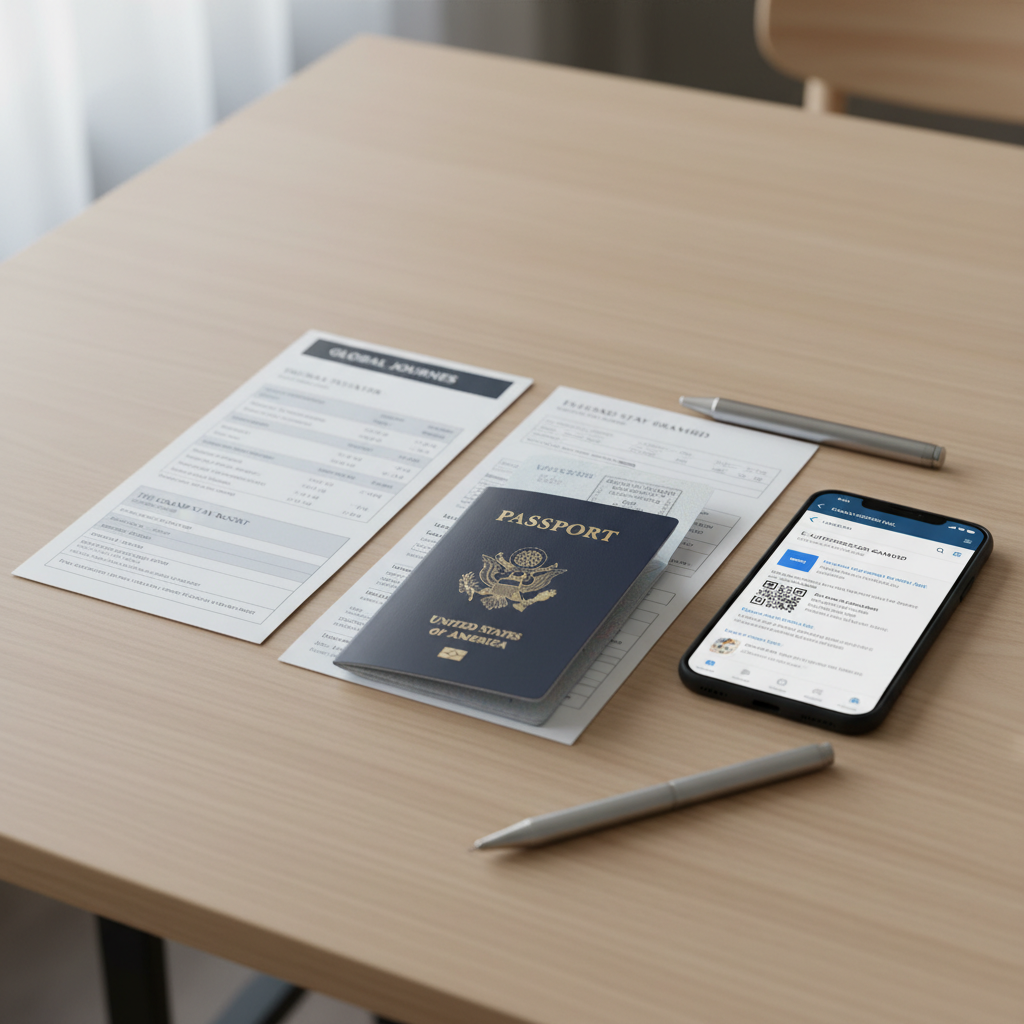
If your trip involves medical considerations, extreme weather, or higher-risk activities, it’s also smart to review insurance terms or ask a qualified professional for guidance. “Easy entry” doesn’t always equal “easy trip.”
Common Mistakes to Avoid (Even When Entry Is “Visa-Free”)
A lot of entry headaches come from assumptions that feel logical, right up until they aren’t.
- Assuming visa-free equals unlimited flexibility: Extensions and border runs are often limited or handled case-by-case.
- Mixing up regions with similar rules: Europe is the classic example where the total stay limit can apply across multiple countries.
- Ignoring “purpose of visit”: Remote work and long stays can sit in gray zones; immigration officers may interpret intentions differently.
- Relying on outdated content: Travel rules can change faster than blogs get updated.
If your plan includes longer stays, volunteer work, paid gigs, or frequent entries, you may want professional immigration advice, or at least written confirmation from official sources.
Wrap-Up: Make “Easy” the Default, Not the Exception
Visa free travel countries make spontaneous trips realistic for Americans, but the smoothest experiences come from small checks: entry type, stay limits, and airline document rules. Pick destinations where the process matches your tolerance for uncertainty, then do a quick verification sweep a few days before departure.
If you want a simple next step, choose one destination from your shortlist and verify three items today: passport validity rule, maximum stay, and whether any online authorization is required. That 10-minute habit pays off more than most “travel hacks.”
FAQ
What does “visa-free” mean for U.S. citizens?
Usually it means you can enter for short tourism or limited business activities without applying for a traditional visa ahead of time. You still need to meet entry conditions like passport validity and length-of-stay limits.
Are visa on arrival countries considered visa free travel countries?
People often group them together because they avoid embassy appointments, but they’re not identical. Visa on arrival can involve fees, forms, and waiting time, so it may feel less “easy” depending on when you land.
Can entry requirements change after I book?
Yes, and it happens often enough that it’s worth re-checking close to departure. According to the U.S. Department of State, travelers should monitor official updates and confirm requirements with the destination’s government sources.
Do I need proof of onward travel for visa-free entry?
Many countries and airlines may ask for it, especially for one-way tickets. If you prefer fewer surprises, assume you’ll need proof and keep it accessible.
How long can Americans stay in Europe without a visa?
It depends on the specific rules in effect for your itinerary and the countries you visit. The key detail is that time may be counted across a whole zone, not per country, so multi-country trips need extra attention.
Is an e-authorization the same as a visa?
Not always, but it still counts as pre-travel approval. Practically, you should treat it like a required step and complete it early in case there’s a processing delay.
What if I have a complex situation (dual citizenship, long stays, frequent trips)?
That’s where generic lists break down. You’ll usually need to verify rules for your exact passport(s), travel history, and purpose of visit, and in some cases it’s sensible to consult an immigration attorney or qualified advisor.
If you’re trying to plan a quick getaway and want fewer moving parts, focus on destinations with clear visa-free policies for U.S. passports, direct flights when possible, and entry rules you can confirm on official sites in one sitting.