
Kayaking travel river lake planning gets easier once you stop treating “water” like one category and start matching routes to your skills, season, and logistics.
If you have ever booked a trip based on pretty photos, then arrived to wind you cannot paddle into, a river level you did not expect, or a shuttle problem that eats half your day, you already know why this topic matters.
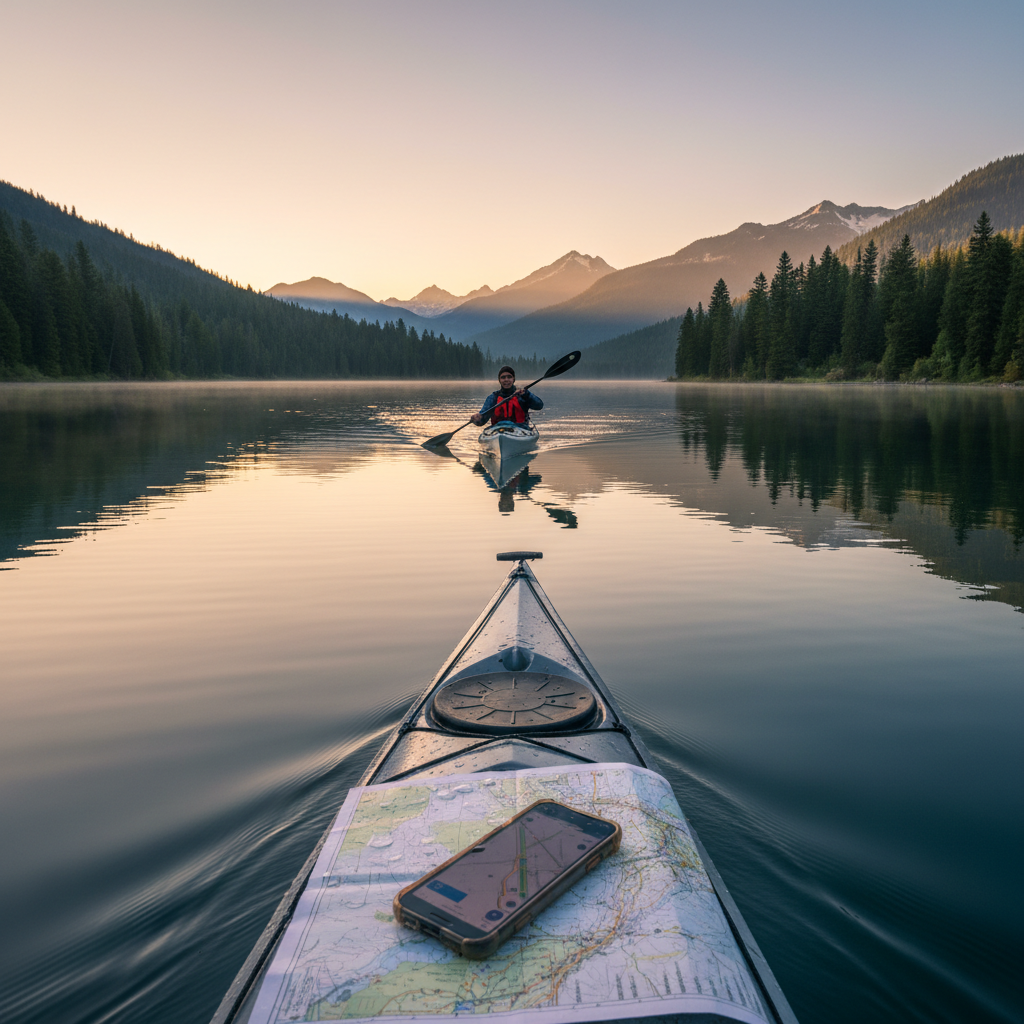
This guide focuses on practical choices, river versus lake tradeoffs, a quick self-check, and a simple way to map an itinerary that feels adventurous without drifting into avoidable risk.
Rivers vs. lakes: the differences that change everything
Most trip issues come from picking a destination style that does not match your comfort level. Rivers and lakes ask for different skills, and they fail differently when conditions turn.
- Rivers: current helps you move, but it also commits you to features downstream. Hazards show up fast, and rescue can be complicated.
- Lakes: you control the line more, but wind can trap you, push you off course, and turn a “short crossing” into a grind.
- Navigation: rivers are about reading flow and obstacles, lakes are about bearings, shoreline reference, and weather windows.
- Logistics: rivers often need a shuttle or two vehicles, lakes are usually out-and-back or a loop.
For most people, a first-time kayaking travel river lake weekend goes smoother on a protected lake or a slow, wide river with easy access points and minimal strainers.
What makes a kayaking trip “adventure” without making it reckless
Adventure is not only rapids or big open water, it is usually a mix of novelty, effort, and uncertainty that stays inside your decision-making range.
Try framing “adventure” with three dials you can adjust:
- Exposure: how hard it is to get to shore if something feels off.
- Complexity: moving water features, boat traffic, navigation, portages, or permits.
- Commitment: how easy it is to turn around, shorten the day, or bail out.
When you increase one dial, keep the others conservative. A windy big lake crossing plus unfamiliar navigation plus a tight schedule is where good days become long days.
Quick self-check: are you better suited for a river or a lake right now?
If you feel stuck choosing between current and open water, use this quick check. It is not a certification, it is a reality check before you book lodging and drive hours.
Choose a lake first if…
- You are still refining a reliable wet exit and re-entry skills in warm, controlled conditions.
- You get anxious when you cannot stop immediately or when you see obstacles ahead.
- You want simpler logistics, with an easy out-and-back plan.
Choose a river first if…
- You dislike headwinds and prefer steady forward progress.
- You can read basic river features and understand how strainers and low-head dams can be dangerous.
- You can coordinate shuttle plans, or you paddle with a group that can handle it.
If you are unsure, pick the option with more shore access and more “bailout points.” That one choice usually improves safety and enjoyment more than buying new gear.
Route planning that actually works (not just “pick a blue line on a map”)
Good trip planning is mostly boring questions. The payoff is you spend more time paddling and less time improvising in bad conditions.
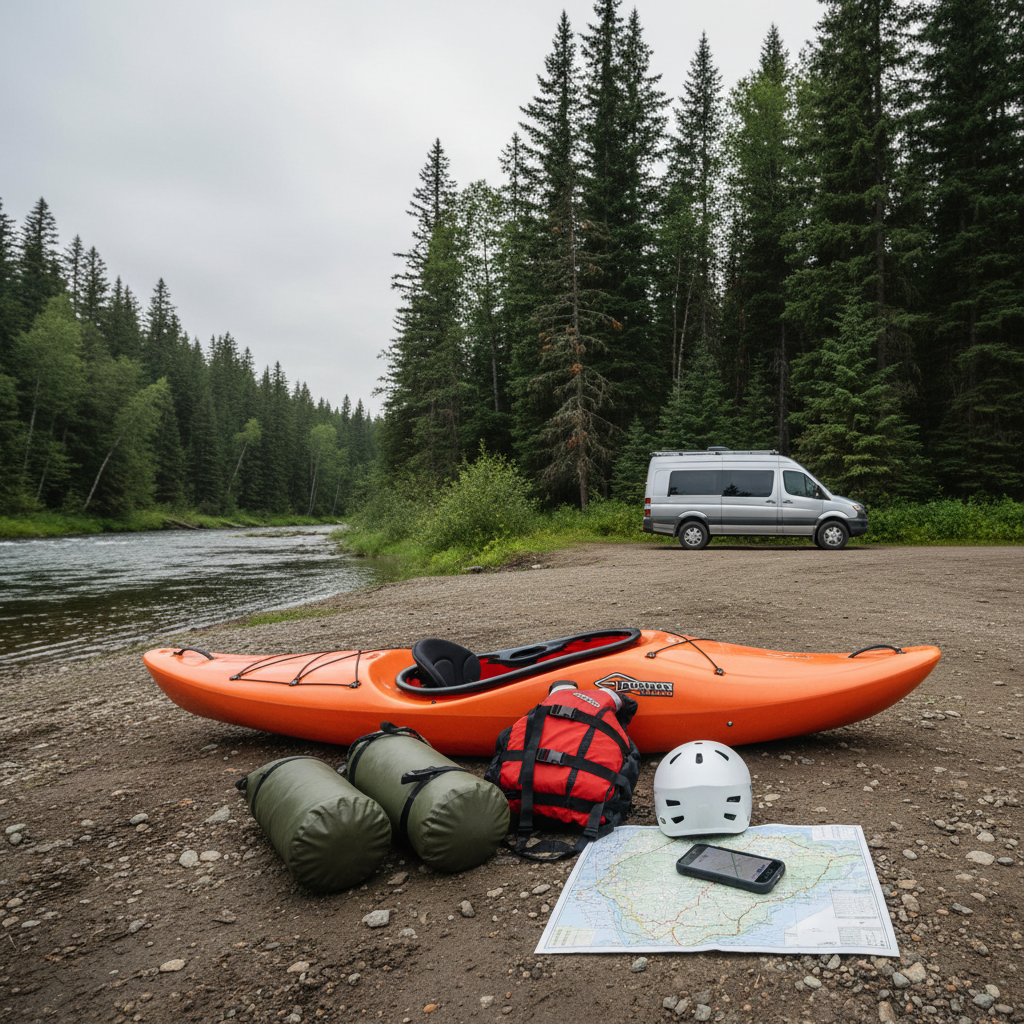
Here is a practical workflow many paddlers use, even for “easy” days:
- Define the day: distance, time on water, and a firm turnaround time.
- Identify exits: mark several shore access points, not only the ideal take-out.
- Check conditions: wind forecast for lakes, flow level and hazard notes for rivers.
- Plan comms: who has cell coverage, and what you do if you separate.
- Confirm logistics: parking, fees, permits, and shuttle timing.
According to NOAA, weather forecasts and marine warnings can change quickly, so building a conservative weather window into your plan is often the difference between “challenging” and “unsafe,” especially on exposed lakes.
According to the U.S. Coast Guard, wearing a life jacket is one of the most important safety habits for recreational boaters, and it tends to be even more relevant when cold water or sudden weather shifts enter the picture.
Gear that matters most for river and lake travel
Gear lists online can get dramatic. In real trip planning, you want the items that reduce your risk the most and make small problems stay small.
Core kit for both (prioritize these)
- PFD you actually wear, properly fitted
- Whistle and simple signaling
- Dry bag with warm layer and essentials
- Water and calories you can reach while seated
- Phone in a waterproof case, plus a backup power option for longer days
River-leaning additions
- Throw rope and basic rescue awareness, ideally learned with instruction
- Helmet for moving water or rocky sections
- Map notes about hazards like strainers and low-head dams
Lake-leaning additions
- Wind plan: spray skirt for sit-inside kayaks, or a conservative shoreline route
- Sun and exposure protection that does not fail when wet
- Navigation support: simple compass and an offline map option
Cold water is the sneaky variable. Even in mild air temps, immersion can be dangerous, so if you are paddling during shoulder seasons, it may be worth asking an outfitter or qualified instructor what protection makes sense for your area.
Sample itineraries (pick one, then customize)
These are templates, not promises. Your best version depends on your local access, weather, and how efficient your group is with transitions.
| Trip style | Who it fits | Route idea | Key watch-outs |
|---|---|---|---|
| Protected lake half-day | Newer paddlers, families | Shoreline out-and-back, 2–4 miles | Afternoon wind, boat traffic near ramps |
| Slow river float | Comfortable with current | 4–8 miles with several exits | Shuttle timing, strainers after storms |
| Lake-to-camp overnighter | Intermediate, organized packers | Short crossing to a campsite, early start | Gear weight, changing weather, permits |
| Scenic river day with light rapids | Intermediate with guidance | Class I–II section with known lines | Skill mismatch, cold water, rescue limits |
For kayaking travel river lake trips, the itinerary that wins is usually the one with a boring start time, generous buffer, and an exit plan you can explain in one sentence.
Common mistakes that quietly ruin trips
These are the patterns that show up again and again, even among capable paddlers.
- Underestimating wind on lakes, then committing to a long crossing because “it’s faster.”
- Assuming river hazards are obvious, when strainers can look like harmless branches until you are too close.
- Overpacking, then struggling with stability, re-entry, and fatigue.
- Planning for the best-case pace and forgetting breaks, regrouping, and confusion at access points.
- Not scouting access, so the “take-out” becomes a steep bank with private property signs.
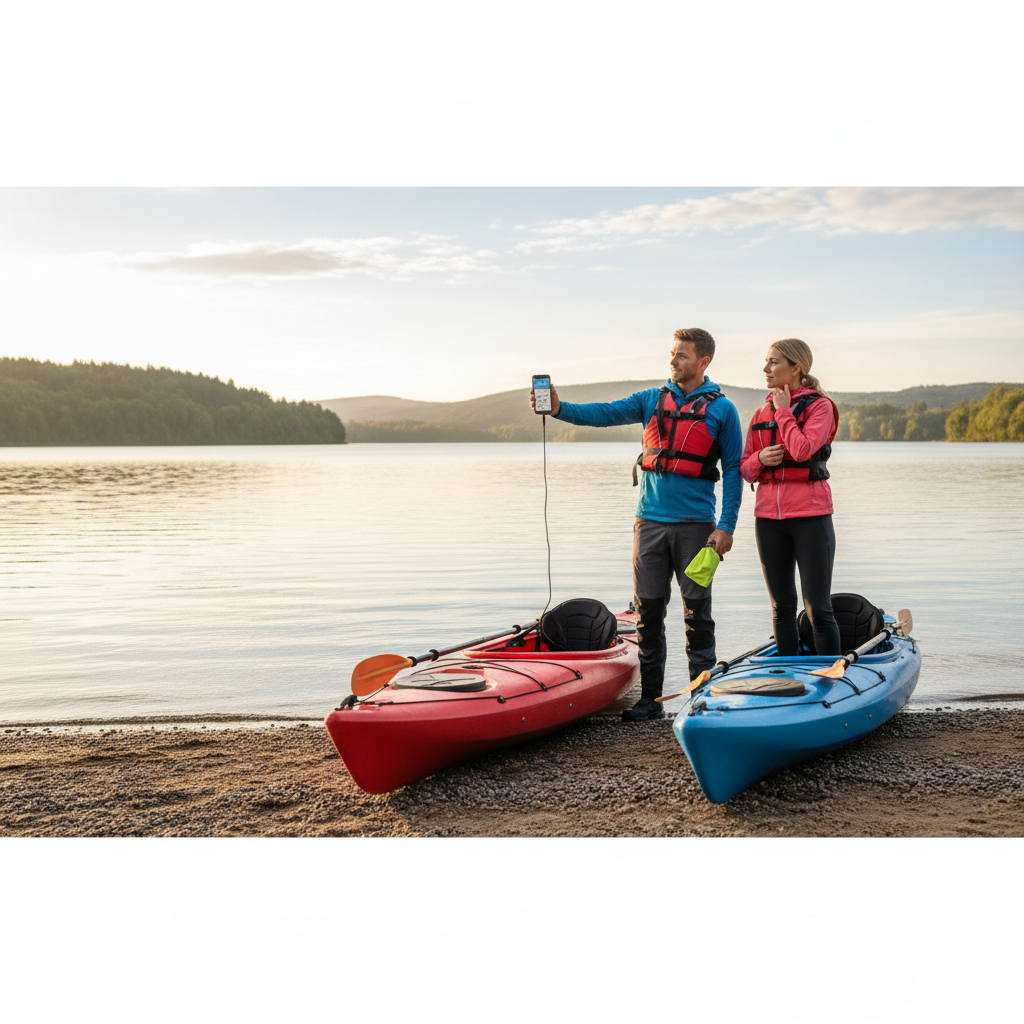
Key takeaways: pick water that matches your current skill today, build exits into the plan, and treat wind and cold water like core route variables, not footnotes.
When to get instruction, a guide, or local help
There is no shame in outsourcing uncertainty. In many places, one short session with a qualified instructor saves years of trial-and-error habits.
- If you plan to paddle moving water with rapids, a course can teach basic river reading and rescue concepts that are hard to learn alone.
- If your route involves big, exposed lakes or coastal-like conditions, a guide or local club can help you understand wind patterns and safe crossings.
- If you are returning after a long break, an instructor can quickly check fit, stroke efficiency, and re-entry technique.
And if you are ever unsure about water temperature risk, medical concerns, or your ability to self-rescue, it is reasonable to keep the plan conservative and consult a local outfitter or trained professional.
Conclusion: a simple way to choose your next trip
Most people do not need a “bigger” adventure, they need a better-matched one. Choose a river or lake that gives you options, start earlier than you think, and keep your plan flexible enough that turning around still feels like a win.
If you want one action step, pick a single route this week and write down three exits plus a turnaround time, that tiny habit upgrades almost every kayaking travel river lake day you will do next.
FAQ
What is the best season for kayaking travel on rivers and lakes in the U.S.?
It depends on region, but shoulder seasons often bring colder water and bigger consequences for mistakes, while mid-summer can bring wind and boat traffic on popular lakes. Match season to your comfort with cold water and crowds.
How do I know if a lake will be too windy for my skill level?
Look at forecast wind speed, gusts, and the time of day, then compare that to your route exposure. If the plan requires long crossings with no easy shoreline, assume wind matters more than distance.
Is a sit-on-top kayak okay for river travel?
Often yes on slow, open rivers, but it can be less forgiving in colder water or choppier conditions. The best choice depends on your ability to re-mount and how warm you can stay if you swim.
What should I do about shuttles on a river trip?
Confirm parking rules, lock your plan in advance, and build extra time for loading, driving, and confusion at access points. If the shuttle feels stressful, choose a lake loop or a very simple out-and-back river section.
How far should a beginner plan to paddle in a day?
Many beginners enjoy 2–4 miles on protected water, but your real limiter may be wind, transitions, and how often you stop. It is smarter to plan short and finish feeling strong than to grind out distance.
Do I need a permit for kayaking on rivers or lakes?
Sometimes, especially in state parks, certain reservoirs, or wilderness areas with camping. Check the local land manager website and do not assume “public water” means no rules.
What is the single most important safety habit?
Wearing a properly fitted PFD is the baseline, then comes realistic route selection. Fancy gear helps, but it cannot replace conservative decisions when weather or water conditions look marginal.
If you are planning your next route and want a more streamlined setup, an outfitter or local paddling club can be a surprisingly practical shortcut, they often know which river reaches run clean, which lakes get nasty afternoon winds, and what access points save you time.