
Wellness day retreat travel works best when it feels simple, local, and actually restorative, not like another to-do list with prettier packaging. If you’ve been searching “near me,” you’re probably not trying to become a new person by Monday, you just want to sleep better, calm your mind, and stop feeling behind.
The tricky part is that “wellness” can mean wildly different things, a silent meditation day might sound perfect until you realize you hate long stretches of quiet, while a sauna-and-cold-plunge circuit can feel amazing for some people and miserable for others. A good day retreat matches your body, your budget, and how much social energy you have.
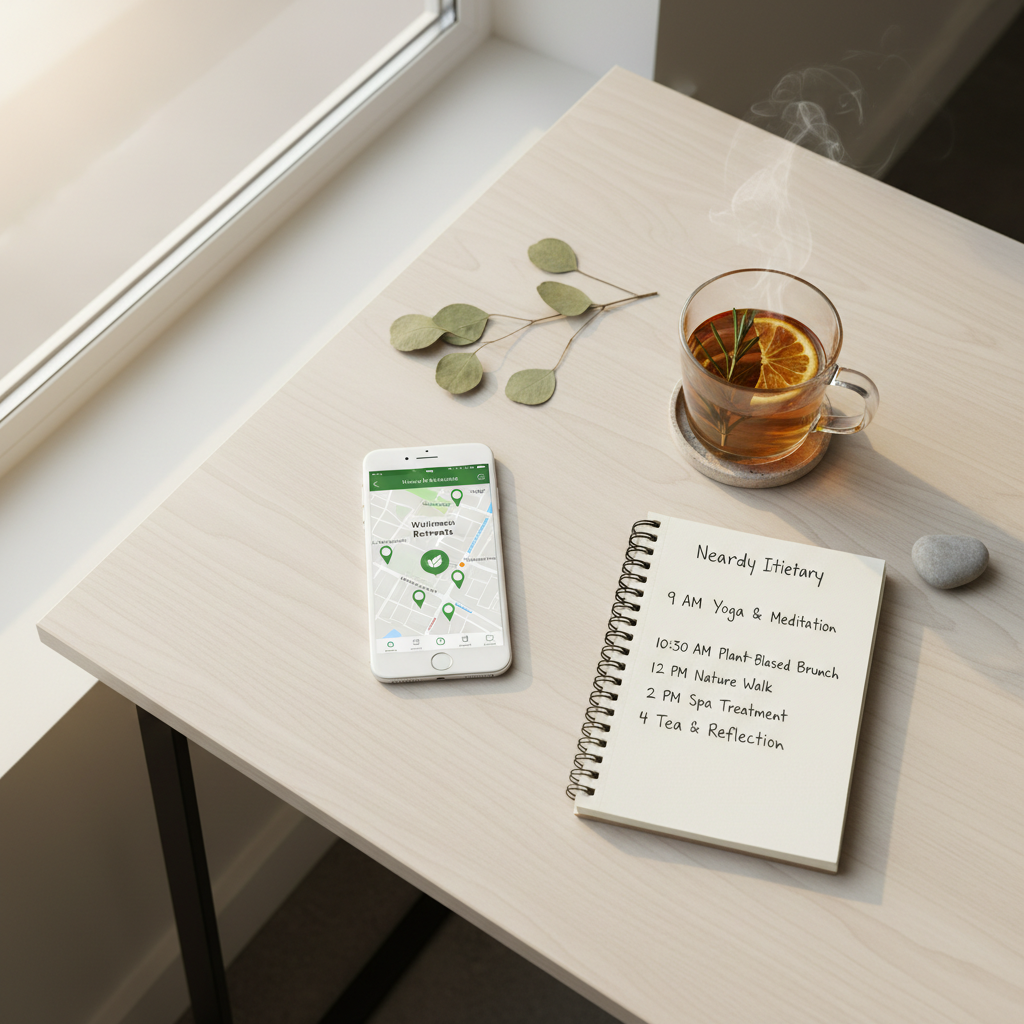
This guide helps you pick a nearby option without overthinking, spot red flags, and build a one-day plan that feels like a reset rather than a performance. You’ll also get a quick comparison table, packing pointers, and a few “if this is you” recommendations.
What counts as a wellness day retreat (and what usually doesn’t)
For most people, a day retreat is a structured chunk of time that reduces stress and supports recovery, with at least one guided element and at least one intentional recovery element. It can be outdoors, in a studio, at a spa, or even at a small retreat center within driving distance.
- Common formats: yoga + meditation day, spa circuit day pass, nature-based retreat, breathwork workshop, sound bath, mindful cooking, guided journaling, or a mix.
- What often isn’t a “retreat” in practice: a packed schedule with no breaks, a “networking wellness” event that feels like work, or a day that requires a 4 a.m. departure and two flights.
One useful rule: if you’ll need a vacation to recover from the retreat, it probably misses the point.
Why “near me” is usually the smartest move
People underestimate how much energy travel burns. Keeping the commute short protects the actual recovery time, which is the whole reason you’re doing this.
- Less decision fatigue: fewer logistics, fewer meals to plan, fewer “what if” worries.
- More consistency: if you love it, you can repeat it monthly, which is where wellness habits start to stick.
- Lower risk: if you feel off mid-day, it’s easier to modify plans and get home comfortably.
According to Centers for Disease Control and Prevention (CDC), getting enough sleep is important for overall health, and for many people, a local day retreat supports sleep simply by lowering stress and giving the nervous system a break. It’s not medical treatment, but it’s often a practical nudge in the right direction.
Quick self-check: what kind of retreat will actually help you today?
Before you book anything, answer these honestly. This is where most “I paid for wellness and felt worse” stories start.
- Do you need rest or stimulation? If you feel fried, choose quiet and low-input. If you feel stuck and low, choose gentle movement and some guided structure.
- How social are you right now? Group circles can be powerful, but if you’re depleted, pick something that lets you stay mostly in your own lane.
- Any physical limitations? Heat exposure, intense yoga, fasting, or cold plunges may not fit certain health conditions. When in doubt, ask a clinician.
- What’s your “re-entry” like? If you’re going back to kids, a long drive, or a night shift, choose a lighter day with earlier finish.
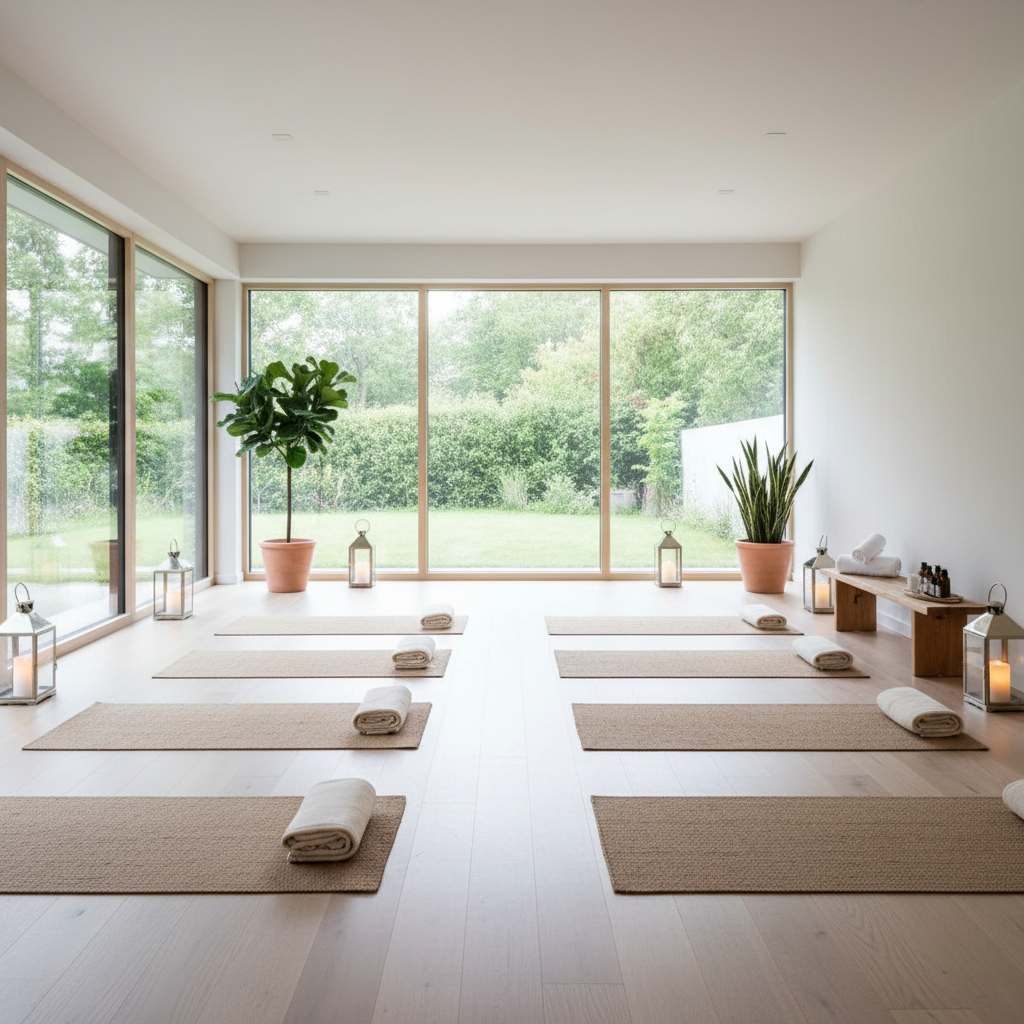
Key takeaway: the “best” wellness day retreat travel option is the one that matches your current state, not the one that sounds most impressive.
Popular wellness day retreat travel ideas near you (by vibe)
If you need your brain to stop buzzing
- Half-day silent meditation retreat with optional guidance
- Sound bath + restorative yoga combo class
- Float therapy session paired with a slow walk and an early dinner
These work well when you’re overstimulated and want fewer inputs, fewer decisions, fewer conversations.
If your body feels tight, heavy, or “stuck”
- Gentle yoga workshop focused on mobility or fascia release
- Massage + sauna/steam room day pass
- Beginner-friendly hike with guided breathwork
According to National Institutes of Health (NIH), physical activity can support sleep and mood for many people. Keep it gentle if you’re already run down, intensity is not the assignment here.
If you crave a full reset without overnight lodging
- Day retreat at a retreat center within 1–2 hours drive, often includes lunch and two sessions
- “Mini wellness itinerary” in a nearby town: morning class, healthy lunch, nature stop, early bedtime
- Thermal spa circuit day (where available) with plenty of hydration and breaks
This is the sweet spot for many Americans: it feels special, but doesn’t require PTO, pet sitters, or complicated packing.
Comparison table: pick the right day retreat fast
If you’re trying to decide between a few options, this quick table usually makes the answer obvious.
| Option | Best for | Typical intensity | Hidden “gotcha” | What to bring |
|---|---|---|---|---|
| Yoga + meditation day | Stress, sleep, mental reset | Low to moderate | Too much sitting can feel hard | Layers, water, light snack |
| Spa day pass | Physical tension, “treat yourself” | Low | Heat can be draining if overdone | Swimsuit, sandals, electrolytes |
| Nature-based day retreat | Burnout, screen fatigue | Low to moderate | Weather changes everything | Sun protection, shoes, rain layer |
| Breathwork workshop | Mood reset, emotional release | Moderate | Can feel intense for some people | Comfortable clothes, journal |
| Float therapy + quiet day | Overwhelm, sensory overload | Low | Some dislike enclosed spaces | Hair ties, moisturizer, water |
A realistic one-day plan you can copy (without rushing)
This is a “works for most people” outline. Adjust the time blocks based on commute and energy.
- 9:00–10:30: gentle movement or bodywork session
- 10:30–11:15: slow transition, shower, short walk, no scrolling
- 11:30–12:30: lunch that won’t spike and crash you, think protein + fiber + water
- 1:00–2:30: guided practice, meditation, sound bath, or journaling
- 2:30–3:30: unstructured downtime, nap, reading, quiet café
- 4:00: head home, easy dinner, early night
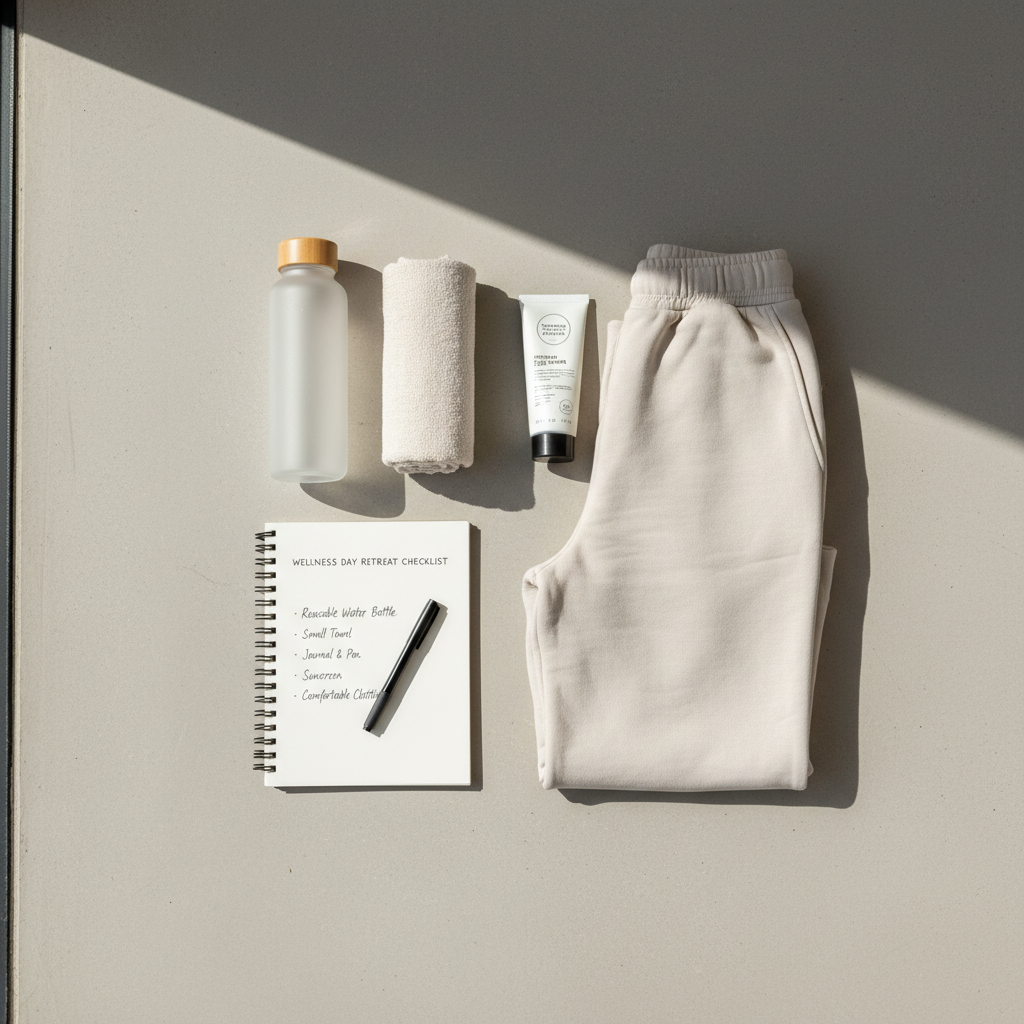
Small but important: build in at least one buffer block. A day retreat feels restorative when you’re not sprinting between “healing experiences.”
Mistakes that make a day retreat feel like a waste
- Over-scheduling: booking three classes back-to-back, then wondering why you’re irritable.
- Trying to “fix everything” in one day: wellness day retreat travel can start momentum, it rarely resolves long-term issues on its own.
- Going too hard on heat, cold, or fasting: these can be useful tools, but they’re not universally appropriate, and some health conditions make them risky.
- Breaking the calm immediately: the post-retreat hour matters, jumping into errands or doomscrolling often erases the benefit.
According to American Psychological Association (APA), stress can affect both mind and body, and coping strategies tend to work better when they’re sustainable. Translation: one perfect day is nice, but repeatable routines are what change your baseline.
When to get professional input (and how to do it safely)
If you have a medical condition, are pregnant, take medications that affect hydration or blood pressure, or you’ve had fainting episodes, it’s smart to check with a qualified clinician before intense heat exposure, cold plunges, or vigorous sessions. The same goes if anxiety, depression, or trauma symptoms feel sharp right now, some “deep release” formats may be overwhelming without support.
If you’re unsure, ask the provider what the day looks like minute by minute, what modifications exist, and whether there’s a licensed professional on site for certain modalities. Good operators answer calmly and clearly, and they won’t pressure you.
Conclusion: make it easy to say yes to your own reset
Wellness day retreat travel near you doesn’t need to be fancy to work, it needs to fit your energy, your body, and your real life. Pick one guided anchor activity, protect downtime, and keep the commute short enough that you’re still calm when you get home.
If you want a simple next step, choose a date, book one core session, and plan one quiet hour afterward. That alone changes how the day lands.
FAQ
What is the best time to book a wellness day retreat near me?
For many people, a weekend morning works because you can keep the night before calm and avoid rushing. If crowds drain you, weekday options often feel quieter, even if you only take a half day off.
How far should I travel for a day retreat?
Usually, 30–90 minutes each way is the sweet spot. Beyond that, the commute can eat the benefit unless the retreat has a strong “arrival” and “wind-down” structure.
Are spa day passes considered wellness retreats?
They can be, if you use them intentionally, with breaks, hydration, and a slower pace. If it turns into a packed social day with constant stimulation, it may not feel restorative.
What should I pack for wellness day retreat travel?
Think comfort and recovery: layers, water, a snack with protein, and anything that helps you transition out gently, like a journal or a book. For heat circuits, consider electrolytes and avoid alcohol afterward.
Can I do a wellness day retreat alone?
Yes, and for a lot of people it’s easier solo because you can follow your own energy. If you’re anxious about going alone, choose a guided, structured retreat where you won’t have to improvise.
Is breathwork safe for everyone?
Breathwork is broad, and some styles feel intense. If you have respiratory or cardiovascular conditions, are pregnant, or have panic symptoms, it’s wise to ask a clinician and choose a gentle, well-instructed format.
How do I make the benefits last after the retreat?
Keep one element you enjoyed and repeat it weekly, even for 10 minutes. Also protect your first evening, a calmer dinner and earlier bedtime often extend the reset into the next day.
If you’re trying to find a nearby option fast, make a short list of two or three formats that match your current mood, then filter by drive time and schedule clarity. If you need a more hands-off approach, some retreat centers and studios will recommend a day plan based on your goals, which can save you from booking the “wrong kind” of wellness.