
The best travel clothes steamer portable choice for 2026 is the one that fits how you actually travel, not the one with the flashiest watt number, because in real hotel rooms you’re fighting tight outlets, small sinks, and fabrics that wrinkle differently.
If you’ve ever packed a “compact” steamer that still needed a full-size outlet, or one that spit water onto a dress shirt right before a meeting, you already know why this category gets frustrating fast. The good news is you can narrow it down with a few practical specs and a couple of travel-specific habits.
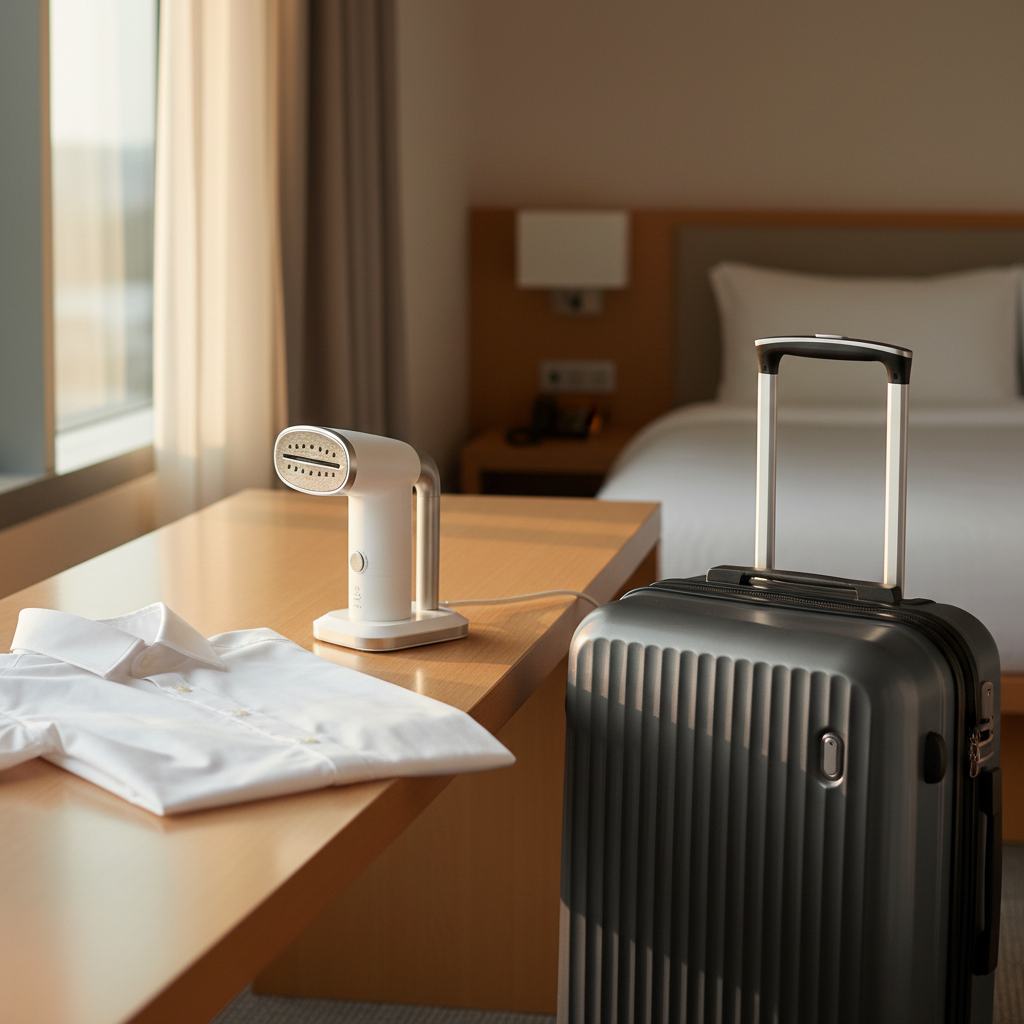
This guide focuses on what tends to matter most for U.S. travelers: fast heat-up, consistent steam, easy packing, and not ruining clothes with drips. You’ll also get a short decision table, a quick self-check list, and a simple “hotel workflow” that saves time.
What “best” really means for a portable travel steamer
In this niche, “best” usually comes down to trade-offs. Smaller steamers heat quickly but hold less water, higher power can mean heavier body and thicker cord, and the cheapest units often leak or sputter.
- Packability: Weight, grip shape, and whether the head locks so it won’t rattle in a suitcase.
- Steam consistency: A steady plume matters more than peak bursts for smoothing collars and hems.
- Spill control: Drips often come from overfilling, poor seals, or using it at steep angles.
- Power practicality: U.S. travelers usually want 120V compatibility; international trips add voltage questions.
- Fabric safety: Delicates need lower output or distance control so you don’t “spot” a blouse.
According to the U.S. Consumer Product Safety Commission (CPSC), consumers should follow appliance instructions and basic electrical safety practices to reduce shock and burn risks. For steamers, that translates to not using damaged cords, keeping water away from outlets, and letting devices cool before packing.
Quick comparison table: which type fits your trip
If you’re trying to choose the best travel clothes steamer portable option without overthinking it, start with the travel pattern, then match the steamer type.
| Travel pattern | Best-fit steamer type | Why it works | Watch-outs |
|---|---|---|---|
| 2–3 day business trip | Compact handheld, fast heat-up | Quick touch-ups for shirts, blazers | Small tank, may need refills |
| 1–2 week vacation, mixed outfits | Mid-size handheld, steadier output | Better for dresses, linen, multiple items | Heavier, more space in bag |
| Frequent flyers, carry-on only | Foldable handle or slim body | Slides into side pocket, easy storage | Sometimes less stable upright |
| International travel | Dual voltage or travel-specific model | Less risk of damaging the unit | May output less steam on 240V adapters |
Key features that actually matter (and the ones that don’t)
Product pages love “high wattage” and “industrial steam,” but portability changes the math. Here’s what tends to make a travel steamer feel good in real use.
Prioritize these
- Heat-up time you can trust: If it’s consistently under a couple minutes, you’ll use it; if it’s a ritual, you’ll skip it.
- Leak resistance: Look for notes about anti-drip design and a tank cap that seals firmly.
- Ergonomics: A comfortable grip matters when you’re steaming a dress or multiple shirts.
- Stable base: Hotel counters are small, a wobbly steamer tips over easily.
- Auto shutoff: Not mandatory, but it reduces “did I leave it on?” stress.
Nice-to-haves (don’t overpay for them)
- Brush attachments: Useful for thicker fabrics, but not a deal-breaker.
- Long cord: Convenient, though many travelers end up using a safe, rated extension cord anyway.
- “Kills 99.9%” claims: Often marketing-heavy; focus on wrinkle removal and safe operation.
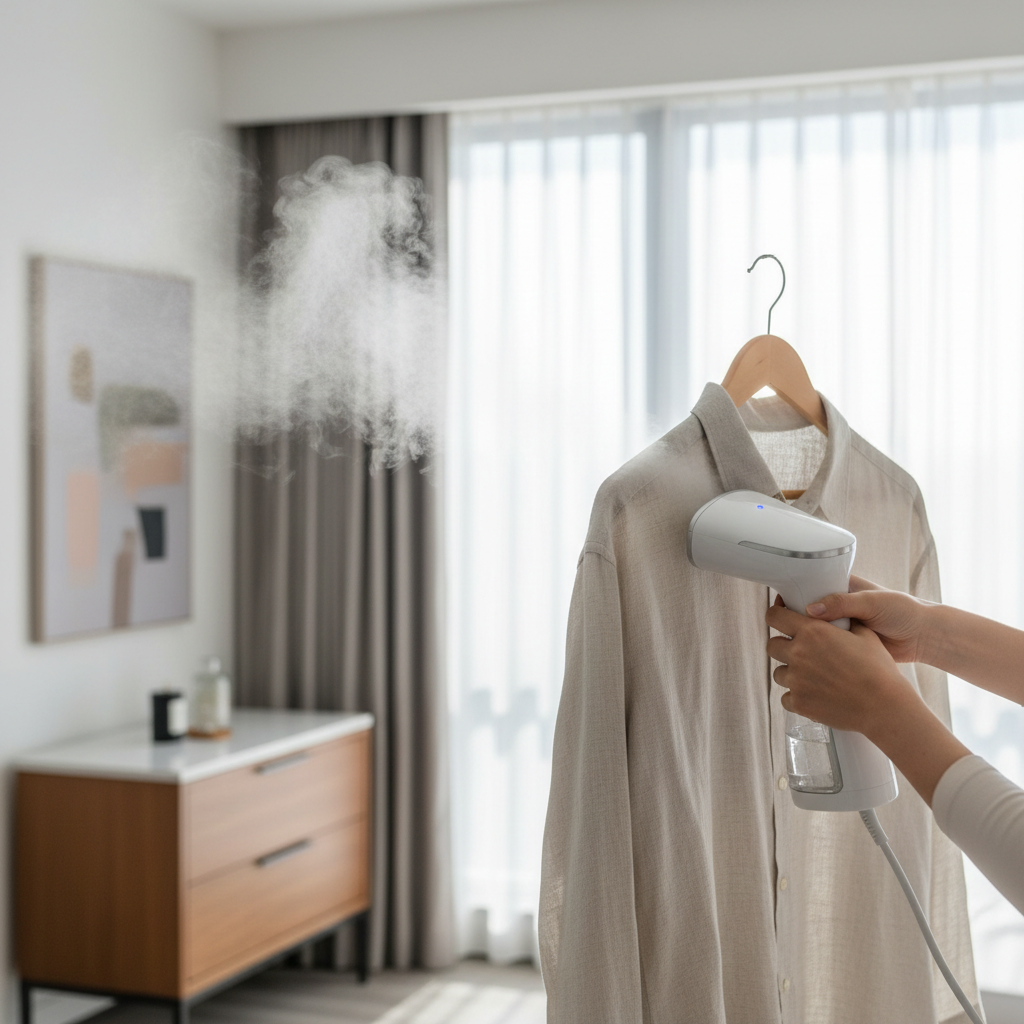
Also, be careful with “mini” models that advertise extreme compactness. Many are fine for one blouse, but for a suit jacket they can feel underpowered, and that’s where disappointment starts.
Self-check: which portable steamer specs you need
Use this to avoid buying the wrong format. You don’t need perfection, you need the right compromises.
- Your typical fabrics: Mostly cotton and knits, almost any unit works; lots of linen or structured pieces, you want steadier steam.
- How many items per session: One outfit before dinner, small tank is fine; multiple outfits, bigger tank saves time.
- Your packing style: Carry-on only travelers usually prefer slimmer bodies and fewer accessories.
- Your “time tolerance”: If you get ready fast, choose quicker heat-up and easier refills.
- Outlet realities: Older hotels can have loose outlets, so a stable plug and not-too-stiff cord helps.
If you’re still torn, pick the model that’s easiest to use consistently. A slightly less powerful steamer you actually pull out is better than a stronger one you avoid because it’s annoying to set up.
How to use a travel steamer in a hotel (without drips or shiny marks)
The best travel clothes steamer portable isn’t just a product choice, it’s a routine. Most “my steamer is bad” moments come from angle, water level, and fabric distance.
A simple, repeatable workflow
- Hang the garment on a sturdy hanger, ideally on the bathroom door or closet rod.
- Fill to the line with clean water, not to the brim, overfilling triggers sputtering in many units.
- Let it fully preheat until steam output stabilizes, early steam tends to be wetter.
- Steam from top down, keep the head slightly off the fabric for delicates.
- Finish with a cool-down minute, then leave the garment hanging so moisture dissipates.
Fabric-specific tips (quick and practical)
- Cotton dress shirts: Focus on collar, placket, cuffs; pull fabric taut with your free hand.
- Linen: Longer passes, slower pace; accept “relaxed smooth” rather than iron-flat.
- Poly blends: Use a little more distance to avoid heat sheen.
- Silk or very delicate: Test an inside seam first, or consider skipping steaming if you’re unsure.
According to the Federal Trade Commission (FTC), consumers should be cautious about performance claims in advertising. For steamers, it’s smarter to rely on practical indicators like leak resistance, warm-up consistency, and usability than on big, vague promises.
Common mistakes that make a portable steamer feel “weak”
Before you return a unit, check the usual culprits. These problems are common across brands, even in well-reviewed models.
- Using hard water: Mineral buildup can reduce steam; many manuals recommend distilled water, especially long-term.
- Steaming at steep angles: Some handhelds tolerate tilt poorly and start spitting.
- Rushing preheat: Early output often carries more droplets.
- Trying to flatten heavy creases instantly: Steam relaxes fibers, it’s not a press, do a few passes and let the fabric “set.”
- Overpacking clothes: If garments are crushed, you’ll spend longer steaming no matter how good the device is.
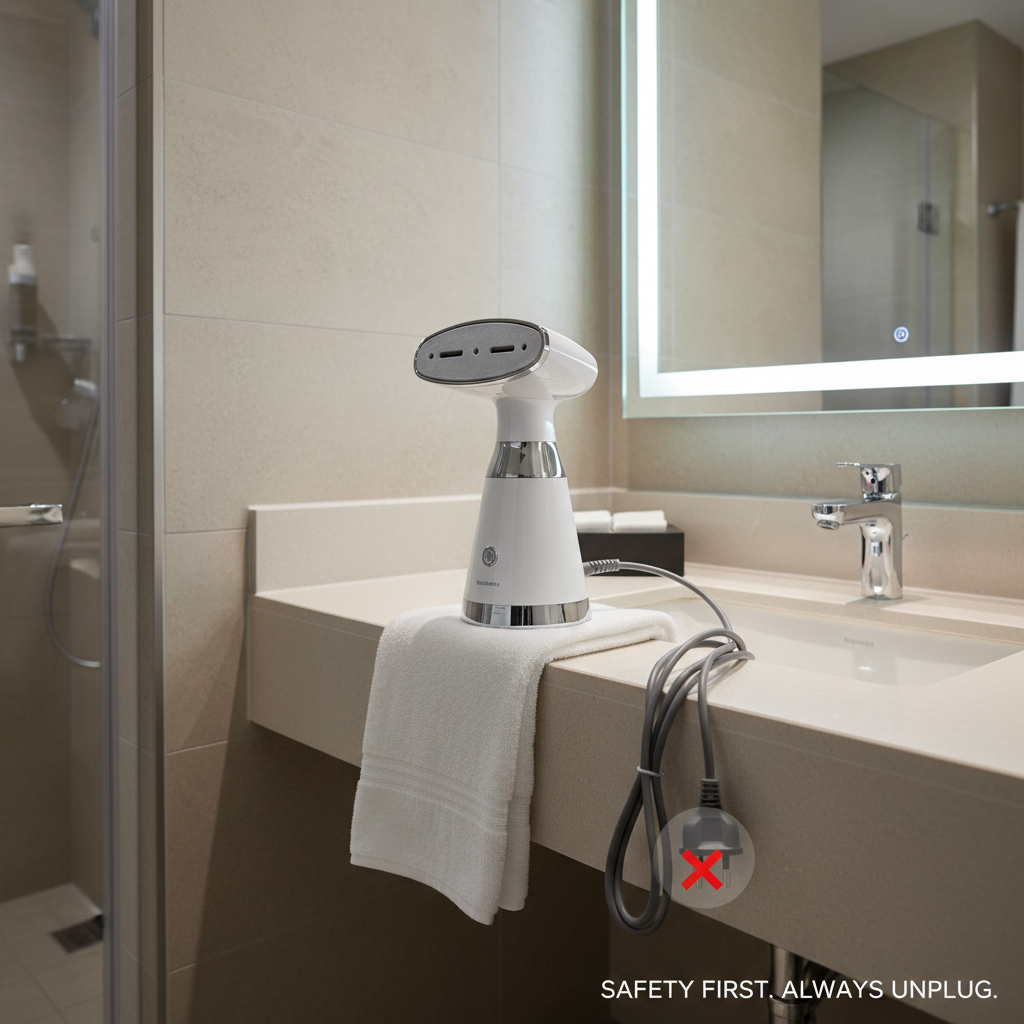
If you travel often, a small bottle brush for the tank area and occasional descaling, following the manufacturer’s instructions, can keep output steadier. If you’re unsure about cleaning steps, it’s safer to follow the manual or ask the brand support rather than experimenting.
Buying checklist: how to pick the right one for 2026
Here’s a simple checklist you can keep open while comparing listings. It keeps you focused on what you’ll notice on day one, not what looks good in a studio demo.
- Voltage: 120V for U.S. travel, dual voltage if you fly abroad often.
- Tank design: Clear fill line, secure cap, easy-to-remove tank if possible.
- Steam head: Wide enough for efficiency but not so bulky it blocks visibility.
- Weight and balance: If it feels top-heavy, your wrist will hate it by shirt #2.
- Safety features: Auto shutoff, stable base, heat-resistant resting area.
- Return policy and warranty: Important in this category, because leak behavior varies unit to unit.
Key takeaway: If your priority is reliability, choose a model known for stable steam and low dripping over a “tiny but intense” mini steamer that looks great in photos.
Conclusion: the “best portable” choice is the one you’ll actually use
Finding the best travel clothes steamer portable for 2026 is less about chasing the highest spec and more about matching your trips, fabrics, and patience level. Once you pick a format that fits your bag and your routine, even a modest handheld can keep you looking sharp with very little effort.
If you want a simple next step, choose your travel pattern from the table, then use the buying checklist to narrow to two or three candidates, and finally test at home with the fabrics you wear most. That short test usually reveals more than hours of scrolling reviews.