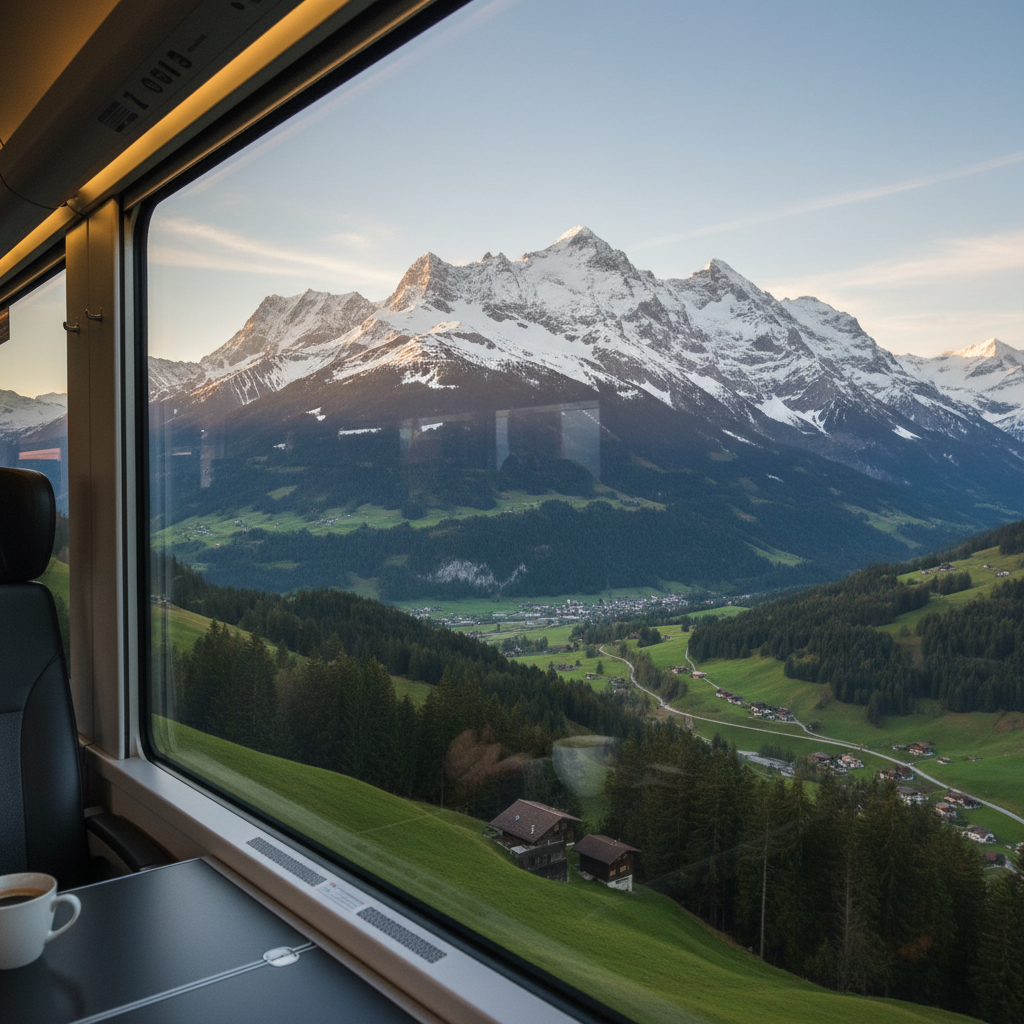
Scenic train rides europe are one of the easiest ways to get “big landscape” travel days without the stress of driving, but the choice overload is real, routes look similar on a map, and the best views often depend on where you sit and what season you go.
If you want a trip that feels cinematic without turning into a logistics project, trains are a sweet spot: you can read, snack, watch the scenery, and still arrive in a city or village that makes sense for the rest of your itinerary.
This guide narrows the field to routes that are genuinely scenic, plus the practical stuff people usually learn the hard way, reservations, seat strategy, and how to combine these rides into a realistic Europe rail plan.
Quick picks: the scenic routes worth building around
If you only have room for one or two classic rail days, start here. These rides tend to deliver even when weather is “fine but not perfect,” and they’re relatively straightforward to book.
- Switzerland: Glacier Express (Zermatt–St. Moritz) for Alpine drama and iconic bridges
- Switzerland: Bernina Express (Chur–Tirano) for high passes, glaciers, and a palm-tree finish in Italy
- Norway: Bergen Line + Flåm Railway for fjord-adjacent mountains and waterfall-heavy valleys
- Scotland: West Highland Line (Glasgow/Fort William–Mallaig) for lochs, moors, and the famous Glenfinnan Viaduct
- France: Train Jaune (Yellow Train) in the Pyrenees for cliffside curves and old-school rail atmosphere
- Italy: Cinque Terre regional line for quick coastal hits between villages, best as a short add-on day
Key takeaway: in many itineraries, one “signature” panoramic train plus one shorter regional scenic line gives the best balance of wow factor and flexibility.
How to choose the right route for your trip style
People search for scenic train rides europe as if there’s a universal ranking, but the best choice depends on your tolerance for long rides, your budget, and whether you want the train itself to be the attraction or just the transport.
Use these filters before you commit
- Time: Do you want a half-day highlight or an all-day rail experience?
- Effort: Are you okay with multiple connections, or do you want a single branded train?
- Budget: Panoramic “express” products cost more; standard regional trains on similar tracks can be cheaper.
- Motion comfort: Mountain lines can be curvy; if you’re prone to motion sickness, choose straighter mainlines and sit forward-facing when possible.
- Photography goals: Some routes have better “window time,” fewer tunnels, and clearer sightlines depending on side of train.
According to Rick Steves’ Europe, point-to-point rail in Europe is often simpler than people expect, but reservations and peak-season crowding can still affect spontaneity. That’s the gap this article aims to close: pick the right scenic ride, then make it easy on yourself.
Most scenic train rides in Europe: route-by-route notes (and what to book)
Below is the practical version of a “bucket list,” what makes each ride special, what to watch out for, and a simple booking cue.
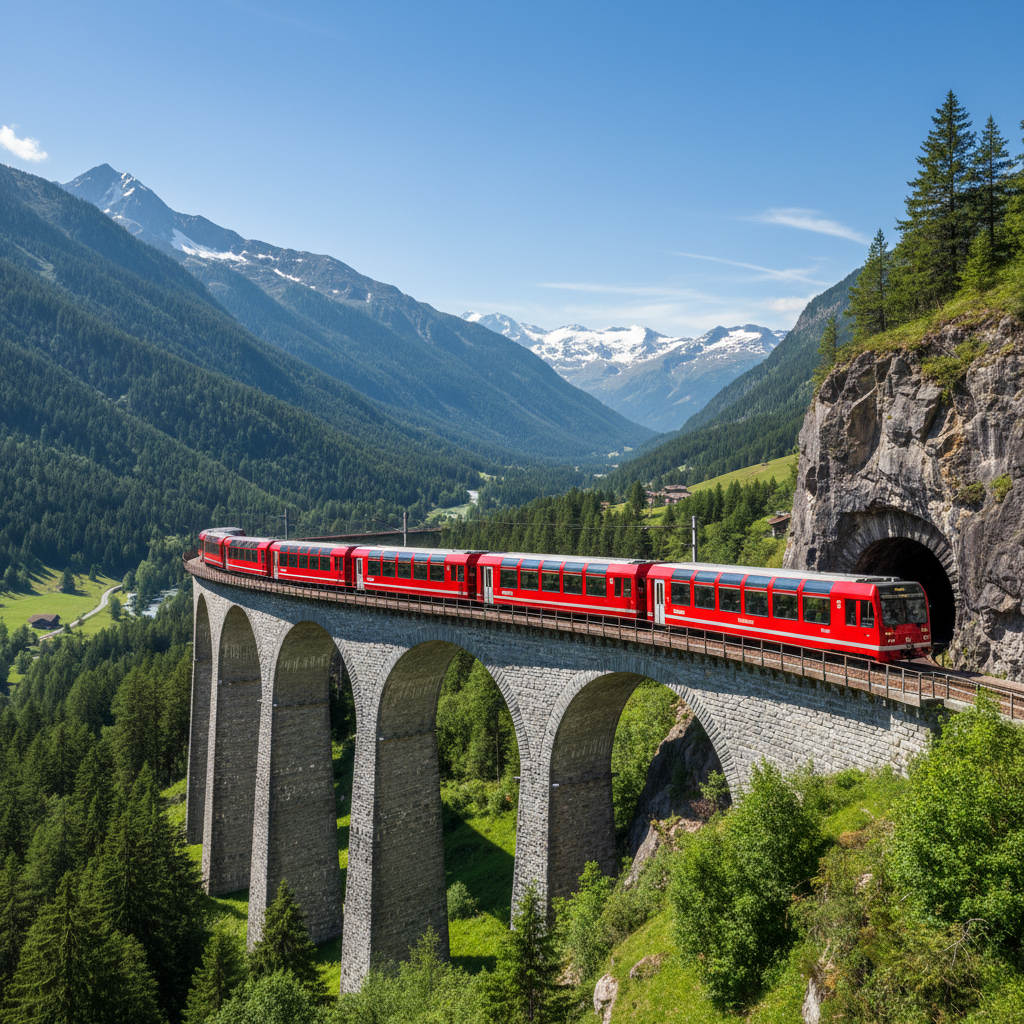
Glacier Express (Switzerland)
This is the “slow travel” poster child: high valleys, deep gorges, and a steady stream of postcard views. The experience is curated, panoramic cars, commentary, and onboard service on many departures.
- Best for: first-time Switzerland visitors who want a one-and-done scenic day
- Watch for: it’s long; if you get restless, consider splitting overnight in Andermatt/Chur
- Booking cue: you’ll typically need both a valid ticket/pass and a seat reservation
Bernina Express (Switzerland to Italy)
The big moment is the high pass scenery and the Bernina line’s signature curves and viaducts. It’s also satisfying because it drops you into a different “feels like a new country” landscape by the end.
- Best for: travelers combining Switzerland and Northern Italy
- Watch for: panoramic cars are popular; a regular regional train on the same line can be a solid alternative
- Booking cue: seat reservations may be required for branded express departures
Bergen Line + Flåm Railway (Norway)
If you want Nordic scenery without renting a car, this combo is a classic: big mountain plateau views on the Bergen Line, then a steep descent on the Flåm Railway with waterfalls and tight valleys.
- Best for: Norway “in one concentrated hit” plus fjord add-ons
- Watch for: weather can change the vibe fast; cloud can mute mountain drama
- Booking cue: lock Flåm tickets earlier in summer, then fit the mainline around it
West Highland Line (Scotland)
Moody, wide-open, and quietly spectacular. The Glenfinnan Viaduct is the headline, but the lochs and empty-feeling stretches are what people remember.
- Best for: travelers who like rugged landscapes and slower pacing
- Watch for: limited services; check timetables carefully if you’re connecting same day
- Booking cue: standard tickets are often enough, but seats can fill in peak periods
Train Jaune (French Pyrenees)
More “charming and raw” than polished, in a good way. It runs along ridges with open views, and in warmer months the open-air carriage option on some services can feel delightfully old-school.
- Best for: repeat Europe visitors who want something less obvious than the Alps classics
- Watch for: it’s slower and more regional; plan your day around it
- Booking cue: check seasonal schedules; service patterns can vary
Cinque Terre regional line (Italy)
This is not a “sit for six hours” panorama, it’s five villages stitched together by short tunnel-and-sea bursts. If you’re doing the coast anyway, it’s a practical scenic win.
- Best for: quick coastal scenery with minimal planning
- Watch for: crowded trains in summer; plan early starts or shoulder season if possible
- Booking cue: regional tickets are usually easy; focus on timing and crowd management
Planning table: views, time commitment, and effort level
Use this as a quick reality check before you commit a full travel day.
| Route | Best scenery type | Typical time feel | Planning effort |
|---|---|---|---|
| Glacier Express | Alps, gorges, viaducts | All-day scenic ride | Medium–High (reservations) |
| Bernina Express | High pass, glaciers, curves | Half to full day | Medium (popular segments) |
| Bergen + Flåm | Mountains, waterfalls, fjord region | Full day if combined | Medium (connections) |
| West Highland Line | Lochs, moors, rugged coast | Half to full day | Low–Medium (timetables) |
| Train Jaune | Pyrenees ridgelines | Half day+ | Medium (seasonality) |
| Cinque Terre line | Coastal glimpses between villages | 1–3 hours total | Low (crowds are the issue) |
Practical booking and seat tips that actually change the experience
The same track can feel wildly different depending on seat choice, reservation rules, and when you ride. This is where most “why wasn’t it that scenic?” disappointment comes from.
- Check whether you need a reservation: many premium panoramic trains require it even if you hold a rail pass.
- Pick the side, not just the seat: on some routes, one side gets more open valley views while the other side hugs rock walls or spends longer in tunnels.
- Start earlier than you think: morning departures often mean quieter cars and softer light for photos.
- Don’t overpay by default: in Switzerland and Norway, regional trains can share the same scenic infrastructure; you may trade “panoramic car” vibes for flexibility and lower cost.
- Pack a tiny “train day kit”: water, snacks, a layer for temperature swings, and a battery pack. It sounds basic, but it prevents the mid-ride annoyance spiral.
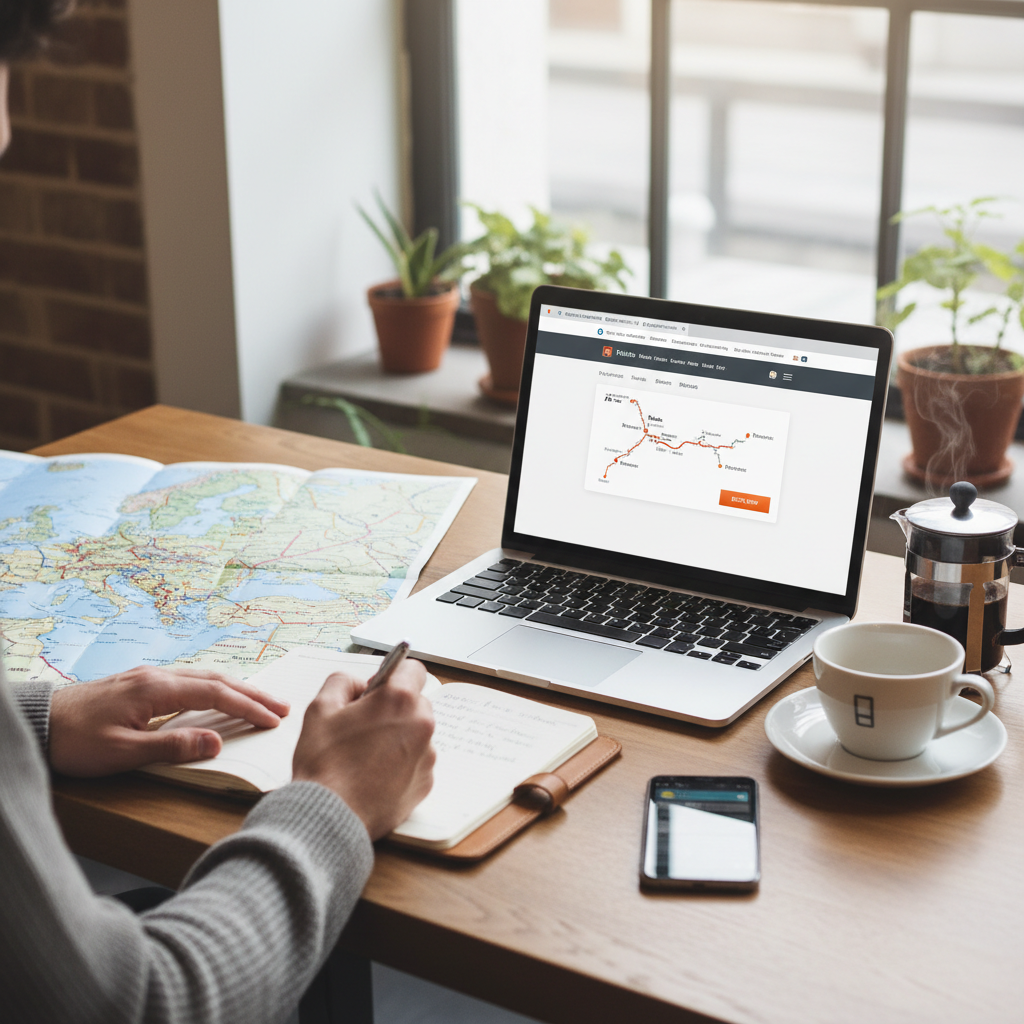
According to Seat61, reservations, supplements, and pass rules vary by country and train type, so verifying the specific service you plan to ride can save both money and frustration. That’s especially true for the scenic-branded trains where “ticket” and “reservation” are not the same thing.
Self-check: are you planning a scenic ride or a scenic day?
This sounds like semantics, but it changes your itinerary. A scenic ride is about the onboard experience; a scenic day often mixes a shorter train with stops, hikes, viewpoints, or a lake cruise.
- Choose a scenic ride if you want a low-effort wow factor and you’re okay spending most of the day seated.
- Choose a scenic day if you get restless, want flexibility, or care more about “where you end up” than the train brand.
- Be honest about pace: if you’re moving hotels every night, long panoramic routes can start to feel like work.
Mistakes that make scenic train rides feel underwhelming
A few common missteps show up again and again, especially for Americans doing Europe rail for the first time.
- Overstuffing the itinerary so the train day becomes a transfer day with anxiety instead of a highlight.
- Ignoring seasonality: shoulder season can be stunning, but some mountain lines may have limited services, and winter can reduce daylight hours.
- Assuming the “express” is always better: sometimes the slower regional option gives you more stops, more freedom, and plenty of views.
- Forgetting personal comfort: if motion sickness is likely, bring what works for you and consider asking a clinician about options before travel.
Wrap-up: build your trip around one great rail day
If you want memorable scenic train rides europe experiences, pick one marquee route that matches your pace, then add a shorter scenic segment where it naturally fits. Book the parts that truly sell out, keep the rest flexible, and treat the train day like an attraction, not just transportation.
Your next step can be simple: choose your top two routes from the table, check reservation requirements, then sketch a two-city pairing that doesn’t force a late-night arrival after a long ride.
FAQ
What are the most scenic train rides in Europe for first-timers?
If you want maximum certainty, the Glacier Express or Bernina route in Switzerland, plus Norway’s Flåm Railway combo, tend to deliver consistent “wow” with clear booking paths.
Is a Eurail pass worth it for scenic routes?
It depends on how many long-distance legs you’ll take and whether you’re riding reservation-heavy trains. Many travelers find passes convenient, but you still may pay supplements or seat reservations on premium services.
Do I need to reserve seats for panoramic trains?
Often yes, especially for branded scenic expresses. Check the exact train number and date, because rules differ by operator and season.
Are there cheaper alternatives to famous scenic trains?
Commonly, yes. In places like Switzerland, regional trains can run on the same scenic tracks, trading onboard service for flexibility and lower cost.
When is the best time of year for scenic rail trips in Europe?
Many routes look great in late spring through early fall, but shoulder seasons can be less crowded. Weather swings are real in mountains, so build in a little buffer if views are your priority.
Which side of the train should I sit on for the best views?
It varies by route and direction, and sometimes both sides win at different moments. If views matter a lot, look up route-specific seat advice before you book, and consider reserving early so you can be choosy.
How can I avoid crowds on popular routes like Cinque Terre?
Go early, travel on weekdays when possible, and keep expectations realistic in peak summer. If your schedule allows, shoulder season often feels calmer without sacrificing the coastal vibe.
If you’re trying to stitch a few scenic lines into one clean itinerary, or you’d rather not guess about passes versus point-to-point tickets, a simple planning checklist and a reservation map for your exact dates can save you from the most common train-day headaches.