
Local food travel guide planning usually breaks down at the same moment: you land, you’re hungry, and every “must-try” list points to the same crowded places that feel more like a photo stop than a meal.
This guide is built for foodie tourists who want the real thing without turning every day into a research project. You’ll get practical ways to find local favorites, vet spots quickly, and build an eating plan that still leaves room for spontaneity.
One quick mindset shift helps: you’re not chasing “the best restaurant” in a city, you’re chasing a few reliable experiences, a couple of wild cards, and one or two iconic dishes you’ll remember. That mix is what makes a trip taste like a place.
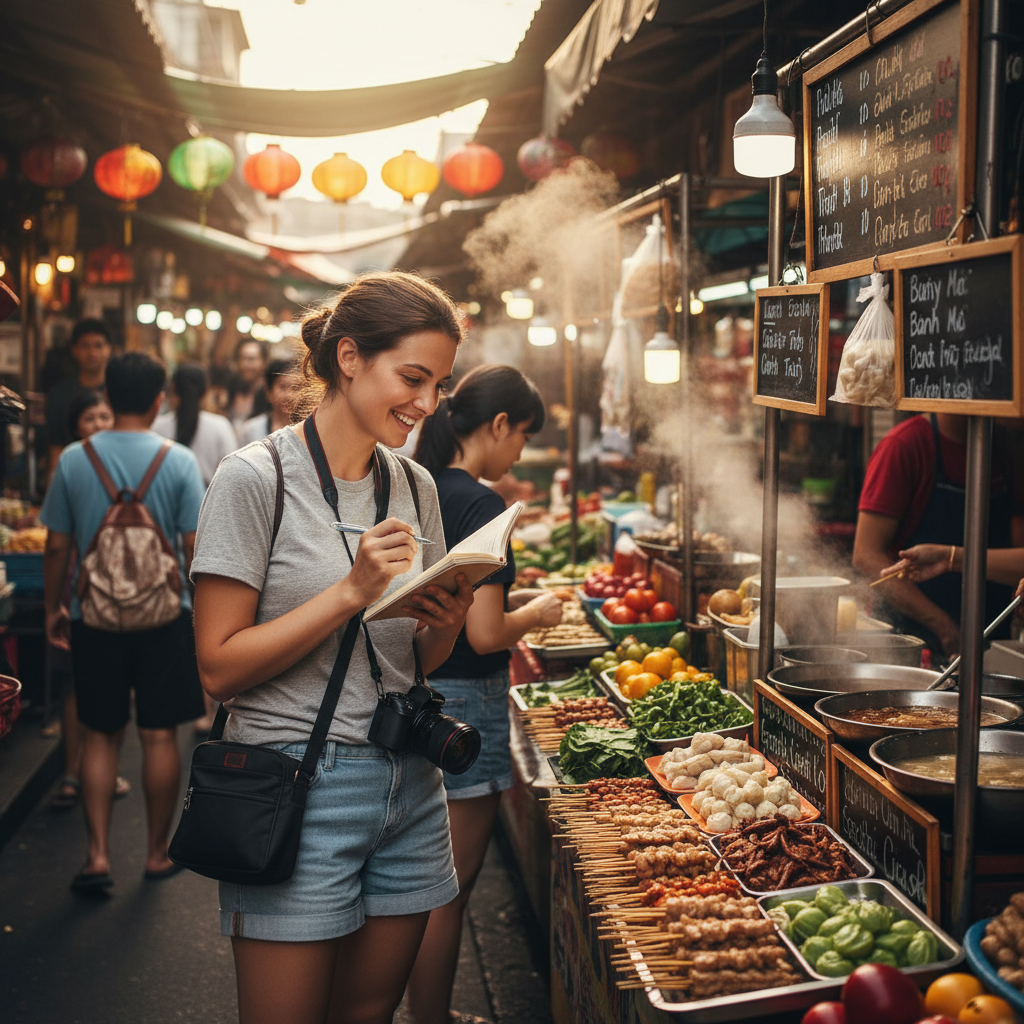
What makes “local” food actually feel local
“Local” can mean a lot of things, so it helps to define what you’re aiming for before you start pinning places. In many destinations, the most authentic meals aren’t fancy, they’re consistent, seasonal, and tied to everyday routines.
- Region-first dishes: foods tied to a climate, coastline, or farming area, not just a city trend.
- Community habits: where people stop after work, what families eat on weekends, which bakery sells out early.
- Ingredient signals: local seafood, local chilies, local cheeses, local grains, then cooked in the local style.
- Time-of-day traditions: breakfast counters, late-night noodles, Sunday roast equivalents.
According to the UN World Tourism Organization (UNWTO), food tourism is closely tied to culture and place identity, which is why the “most local” meals often come with context: markets, neighborhoods, festivals, and family-run spots.
Why foodie tourists get stuck: the common traps
A local food travel guide is useful because food search is full of friction, and the internet tends to flatten a city into a shortlist. Most disappointments come from the same few patterns.
- Over-optimized hotspots: places that exist to be reviewed, not revisited.
- Map bias: you only search within a tiny radius of your hotel, so you never meet the city halfway.
- Timing mistakes: showing up at the wrong hour for a dish that locals eat earlier, later, or only on certain days.
- One-source planning: relying on a single app or influencer list instead of triangulating.
Also, “authentic” isn’t a guarantee of “good for you.” If you have allergies, dietary restrictions, or health conditions, local specialties may need extra questions and, in some cases, advice from a medical professional.
A quick self-check: what kind of eater-traveler are you?
Before you build your plan, decide what tradeoffs you’ll accept. This keeps your choices realistic when you’re tired, jet-lagged, or traveling with others.
- The Icon Chaser: you want the famous dish, even if it means a line.
- The Neighborhood Snacker: you prefer many small bites over one “big” reservation.
- The Comfort-Plus Explorer: you’ll try new things, but you still need one familiar meal a day.
- The Deep-Dive Planner: you love research, regional history, and making a short list in advance.
If you’re traveling with a group, mix styles on purpose: one planned “anchor” meal and one flexible “walk-in” window per day keeps everyone calmer.
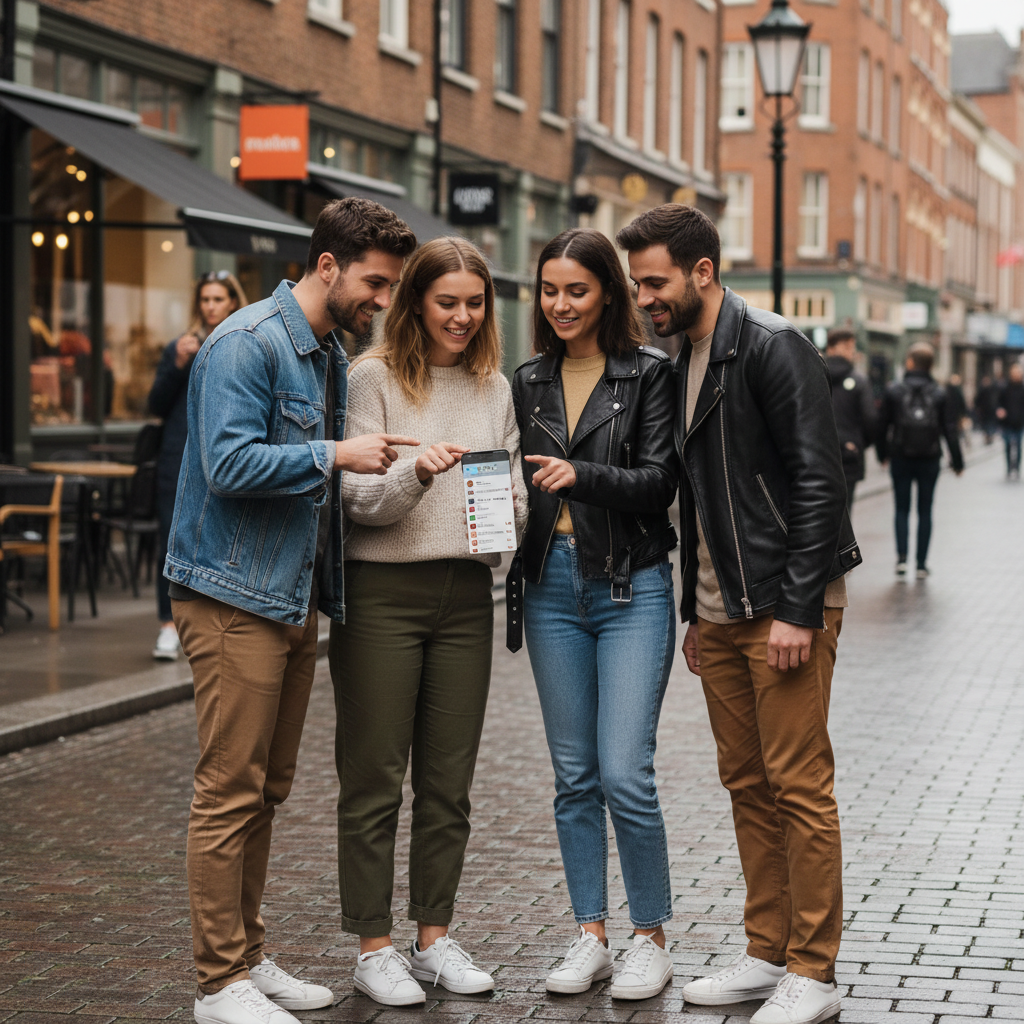
How to find great local food without living on your phone
The most reliable approach is to use two fast signals plus one local-only clue. You’re not trying to be perfect, you’re trying to be right often enough to eat well all week.
Use two fast signals (quick screening)
- Menu focus: fewer categories and a clear specialty usually beats a menu that tries to cover everything.
- Recent photos: look for dishes that appear repeatedly, that consistency is a good sign.
- Pace and turnover: steady flow matters more than a packed line.
Add one local-only clue (the “it feels lived-in” check)
- Language and shorthand: menus with regional terms, abbreviations, or “you already know” vibes.
- Service style: counter tickets, shared tables, or limited substitutions can indicate a place built for locals.
- Location logic: spots near offices, schools, transit hubs, or residential blocks often serve repeat customers.
One more trick that works in many cities: find a market, then eat within a 5–15 minute walk of it. Markets pull in suppliers and regulars, and nearby places tend to cook with what’s actually available.
Build a simple 3-layer eating plan (so you don’t miss the good stuff)
A smart local food travel guide doesn’t schedule every bite, it creates a structure that survives real life. This is the framework I recommend because it’s flexible and easy to remember.
| Layer | What it is | How to use it |
|---|---|---|
| Anchor | 1–2 “important” meals | Reserve or plan early, protect the time slot |
| Neighborhood | Reliable casual spots | Use for busy days, late arrivals, bad weather |
| Wild cards | Markets, pop-ups, street food | Pick on the spot, keep portions small |
When you pick your anchors, choose based on what the destination is known for: a seafood town deserves one seafood meal, a barbecue region deserves one classic smokehouse. After that, keep your “neighborhood list” short, three to five spots is plenty.
Ordering and eating confidently: small moves that change the meal
Foodie tourists often worry about looking clueless. Most staff don’t mind questions, what slows things down is unclear questions. Keep it simple and specific.
- Ask for the house specialty: “What do most regulars order here?” tends to work well.
- Use portion control: split one signature dish and add one side, then decide if you want more.
- Learn two phrases: “no nuts” or “no shellfish” and “is there dairy” can matter more than “hello.”
- Pay attention to condiments: sauces and spice pastes can carry allergens, even when the main dish seems safe.
According to the U.S. Food & Drug Administration (FDA), people with food allergies should communicate clearly about ingredients and cross-contact risk when eating away from home. If you’ve had severe reactions before, it may be wise to consult a clinician about travel planning and emergency medication.
Safety and etiquette: how to enjoy street food without overthinking
Street food can be one of the best parts of a trip, and it can also be where some travelers get nervous. The goal is reasonable risk reduction, not paranoia.
- Choose busy vendors: high turnover often means fresher prep.
- Watch the workflow: separate raw and cooked areas is a good sign, even in a tiny stall.
- Start with cooked items: if you’re adjusting to a new place, hot foods can feel easier on your stomach.
- Hydration plan: spicy, salty, and hot weather stack up fast, carry water when appropriate.
Etiquette matters too, and it’s usually simple: don’t block the line while filming, return trays where expected, and keep cash or tap-to-pay ready when the place runs on speed.
Key takeaways and a realistic next step
If you only remember a few things, remember these: use quick signals to screen places, build a three-layer plan so you don’t miss regional specialties, and keep ordering questions short and practical. A local food travel guide works best when it gives you momentum, not homework.
Pick one anchor meal for your next trip, add three neighborhood backups near where you’ll actually be, then leave space for one market wander. That’s enough structure to eat well, and enough freedom to get surprised.
FAQ
How do I avoid tourist traps while still trying famous local dishes?
Keep the famous dish, but change the sourcing: look for the dish in a neighborhood known for it, or go at off-peak hours. If every review mentions “worth the photo,” treat that as a yellow flag.
What should I pin on my map for a local food travel guide before I arrive?
Pin categories, not just restaurants: one market, one bakery, one casual regional spot, one late-night option, and one place near your lodging that looks reliable. Then refine once you’re on the ground.
Is it better to book food tours or explore on my own?
It depends on your time and confidence. A good tour can teach you what to look for, then you can freestyle the rest of the trip. If you love wandering and have flexibility, self-guided eating often feels more personal.
How can I tell if a place is “authentic” without being disrespectful?
Focus on observable signals like specialties, consistency, and local routines, not stereotypes. Authentic can also include newer spots that locals genuinely support, especially in immigrant neighborhoods.
What’s a smart strategy for travelers with food allergies?
Bring clear written allergy cards, learn key ingredient words, and choose simpler dishes where cross-contact is easier to discuss. If your allergy is severe, it’s safer to plan more meals and consider medical advice before traveling.
How many restaurants should I plan per day on a food-focused trip?
Most people enjoy 2–3 planned eating moments per day, with snacks flexible. Over-planning sounds fun at home, then feels exhausting once you’re walking all day.
What if I don’t eat meat, but the destination is known for meat dishes?
Look for side dishes, vegetable-focused regional staples, and places that naturally offer fish, eggs, legumes, or dairy. In many destinations, bakeries and markets become your best “local” meals.
If you’re planning a trip and want a more streamlined approach, build your own shortlist from this local food travel guide framework: one anchor reservation, three dependable backups, and one market day, then adjust once you see how the city actually eats.